8 Canned Meats Boomers Grew Up On That Younger Generations Won’t Touch
Open a boomer’s childhood pantry and you’d find more than canned vegetables and soup. There were cans and jars of meat lined up on the shelf: some for quick lunches, some for stretching the grocery budget and some for emergencies that never came. Many mothers relied on them, especially near the end of the month when money was tight.
Today, a lot of those products make younger people wrinkle their noses. Ask a millennial or Gen Z adult to eat potted meat or chipped beef on toast, and you’ll likely get a polite refusal or a horrified look. Boomers, on the other hand, often remember these foods fondly and some still buy them. Here are eight canned meats boomers grew up on that younger generations won’t touch.
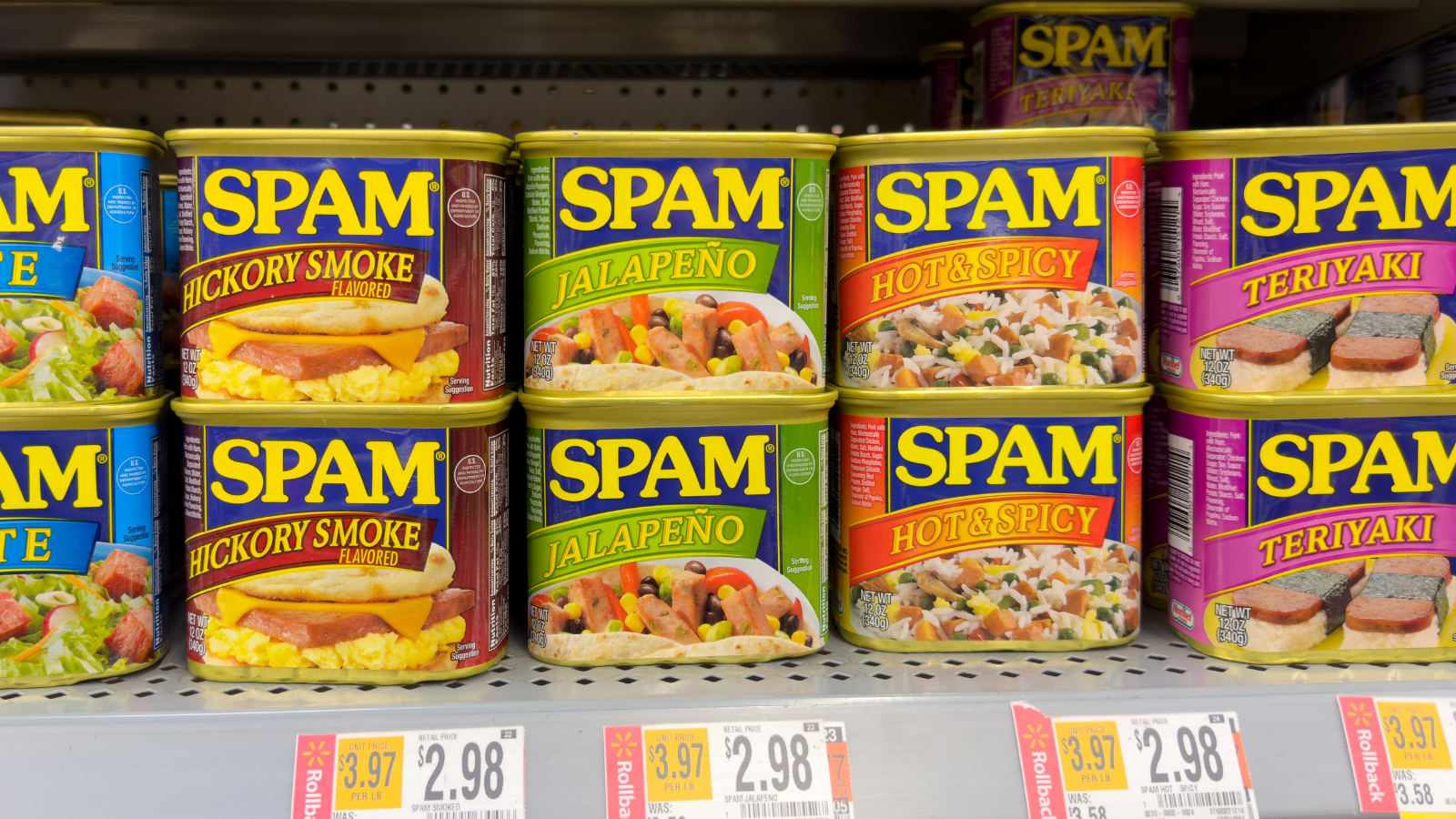
1. Spam
Hormel introduced Spam in 1937, and it became a staple during and after World War II, when it fed soldiers overseas and families at home. By the time boomers were growing up, a can of Spam was a common sight in many kitchens. It was fried for breakfast, sliced for sandwiches and baked with a brown sugar glaze for dinner.
Spam still sells well, especially in Hawaii, where it’s part of everyday cooking. But many younger mainlanders see it as a joke or a mystery meat. Boomers who grew up on crispy fried Spam with eggs often think they’re missing out.
2. Vienna Sausages
Those tiny sausages packed tightly in a small can were a favorite snack for kids, fishermen and anyone who needed something quick and filling. Boomers remember eating them straight from the can with a toothpick, or with saltine crackers on a road trip or camping weekend.
Younger people often find them strange, mostly because of the soft texture and the liquid they’re packed in. But Vienna sausages are still on store shelves, and plenty of older Americans keep a few cans in the pantry or truck for old times’ sake.
3. Deviled Ham
Underwood Deviled Ham, with its famous little red devil logo, has been around since the 1800s, and the logo is often cited as one of the oldest food trademarks still in use in the United States. In boomer homes, the small cans of spiced ham spread were used for sandwiches, crackers and party appetizers.
Mothers stirred it with mayonnaise and pickle relish for a quick ham salad or spread it on bread for a school lunch. Many younger shoppers have never tasted it and don’t know what to do with it. To boomers, it’s a taste of childhood picnics and church luncheons.
4. Potted Meat
Potted meat came in very small cans and was one of the cheapest ways to put a sandwich together. It was a finely ground meat spread made from a mix of meats, and many families bought it in bulk because it lasted for years on the shelf. Some boomers remember eating it on white bread with mustard or spread on crackers after school.
Of all the canned meats, potted meat might get the strongest reaction from younger people. They tend to read the ingredient list and put the can right back. Boomers who grew up with less money don’t have the same reaction, since for many families it was simply a practical way to stretch a budget.
5. Chipped Beef for Creamed Chipped Beef on Toast
Dried chipped beef came in small glass jars and was used for one famous dish: creamed chipped beef on toast. The salty, thin-sliced beef was simmered in a white gravy and poured over toast. It was a regular breakfast or supper in many homes and a well-known meal in military mess halls, where it earned a less polite nickname.
Many boomers’ fathers came home from the service with a taste for it, and mothers made it because it was cheap and filling. Younger people rarely eat it, and some have never heard of it. But plenty of diners in the Northeast and Mid-Atlantic still serve it, and boomers still order it.
6. Canned Corned Beef Hash
Canned corned beef hash, a mix of chopped corned beef and potatoes, was a breakfast favorite in many boomer homes. Mothers fried it in a cast-iron skillet until it was crispy, then topped it with a fried egg. It was a quick, hearty meal that didn’t take much effort.
Younger cooks are more likely to make hash from scratch or order it at brunch. The canned version, with its uniform texture, doesn’t appeal to many of them. Boomers, though, often say the canned kind fried hard in butter is still the best version.
7. Canned Salmon for Salmon Patties
Canned salmon was a pantry staple, especially in Southern and Midwestern homes. Mothers mixed it with crackers or cornmeal, eggs and onion, then fried the mixture into salmon patties or croquettes. It was a cheap way to put fish on the table, often on Fridays.
Many younger people are put off by the bones and skin in canned salmon, even though the bones are soft and edible. Boomers remember picking them out or mashing them in, and many still make salmon patties the same way their mothers did. It’s one of those nostalgic meals that never fully disappeared.
8. Treet and Other Spam Rivals
Spam had plenty of competition. Armour’s Treet was a popular rival, and many stores carried their own canned luncheon meats under store brands. They were usually a little cheaper, which made them a regular purchase for families watching every dollar.
Boomers remember these lunch meats sliced and fried, cubed into macaroni and cheese or mixed into fried rice. Younger shoppers rarely buy them, and some don’t even know they exist. For many older Americans, though, a can of luncheon meat still feels like a reliable backup dinner.
Why Canned Meat Was So Common
Canned meat made sense for families in the 1950s, 1960s and 1970s. It was cheap, it didn’t need refrigeration, and it lasted for years. Many households had less freezer space than today, and refrigerators were smaller. A shelf of canned meat meant there was always something to make for dinner.
Many boomers’ parents had also lived through the Great Depression and World War II rationing. Keeping canned meat in the pantry gave them a sense of security, and they passed that habit on to their kids. Lists of poor people foods that everyone ends up loving often include several of these products.
Why Younger Generations Pass on Them
Younger shoppers have grown up with much more choice. Fresh deli meat, rotisserie chicken and frozen meals are easy to find, and many younger people are more focused on what’s in their food. Products with long ingredient lists, unfamiliar textures or a reputation as “mystery meat” are a hard sell.
There’s also the image problem. Canned meats are often linked with hard times, bomb shelters and camping trips. To boomers, they’re comfort food. To younger generations, they’re something you’d only eat if you were stuck in a blizzard.
The Canned Meats Still Making a Comeback
Interestingly, some canned meats have found new fans. Spam has gained popularity in Hawaiian and Korean restaurants, where it shows up in musubi and budae jjigae. Some younger cooks have discovered corned beef hash and Vienna sausages through social media, often as a nostalgic or ironic treat.
But for the most part, these are still boomer foods. Ask a 70-year-old about creamed chipped beef or deviled ham sandwiches, and you’ll likely hear a happy story about their mother’s kitchen. Ask a 25-year-old, and you’ll probably get a look of disbelief.