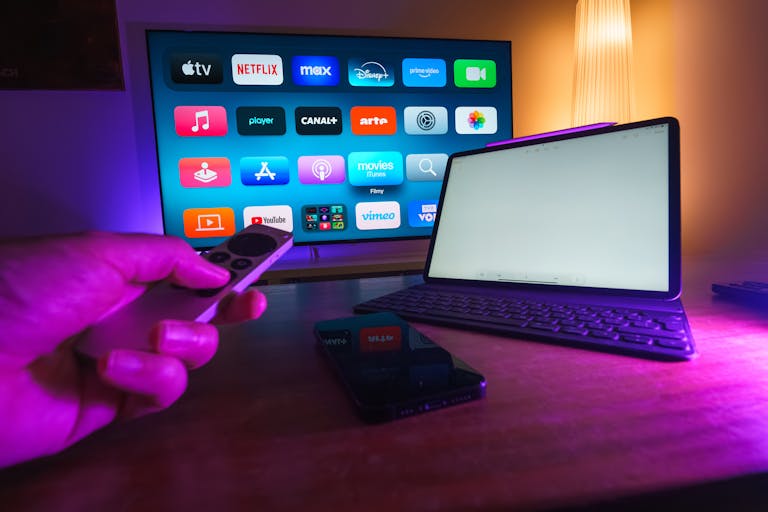
Don’t Throw Away Your Old TV: Here Are 8 Things You Can Do With It Instead
That television sitting in the spare bedroom, basement, or garage might look like nothing more than an outdated piece of furniture. Perhaps you replaced it with a larger smart TV, upgraded to a sharper picture, or simply decided it was time for something newer.
But before carrying the old television to the curb, consider whether it could still serve a useful purpose.
Not every older television is completely obsolete. Some can still display movies, play video games, show family photos, or provide entertainment in rooms where buying another television isn’t necessary.
Even a television that no longer works may have a better destination than the household trash. Depending on its condition and type, you could donate it for parts or take it to an electronics recycling facility.
Here are eight practical ways to give your old television another purpose.
Turn It Into a Second Television for Another Room
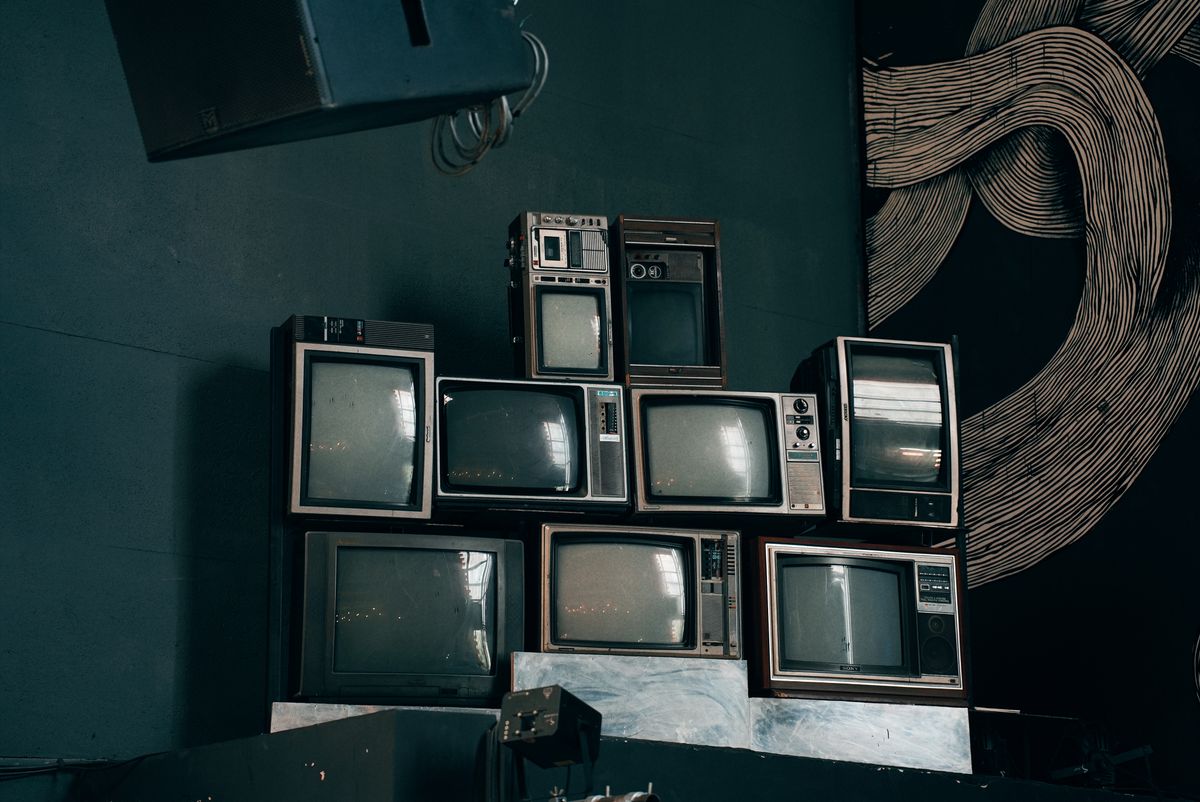
One of the simplest ways to reuse an older television is to move it to another room in the house.
Your main living room may have a newer television, but that does not mean every room needs an expensive replacement. An older working set could be useful in a guest bedroom, basement, home office, or garage.
For example, a spare television could give visiting relatives somewhere to watch a movie without competing for the living room screen.
Before moving it, check its condition, available connections, and whether the room has a suitable power outlet. Also consider its size and weight, particularly if it is an older tube television.
You may discover that the television you thought you no longer needed is perfectly adequate for occasional viewing.
Use It as a Screen for Video Games
An older television can still be useful for gaming, especially if it has the connections your gaming system needs.
Many older flat-screen televisions have HDMI ports that allow compatible consoles, streaming devices, and other equipment to connect directly.
This could make the television useful in a children’s playroom, a spare bedroom, or a dedicated gaming corner.
However, check the television’s resolution and refresh rate before expecting it to perform like a modern gaming display. Older models may not support the picture quality or responsiveness offered by newer screens.
If the television works properly and is compatible with your console, you may not need to replace it just because it is no longer the newest model.
Related: Items Every Baby Boomer Keeps in Their Garage
Give It a New Job as a Family Photo Display
Some older televisions can display photographs and videos through a USB connection or an external media player.
If your television supports USB media playback, you can load family photographs onto a compatible flash drive and display them on the screen.
Another option is to connect a laptop or media device that can show a rotating collection of photographs.
This could be useful during family gatherings, birthday celebrations, anniversaries, or holiday dinners.
Imagine having old family photographs playing in the background while relatives gather in the living room. Instead of leaving those memories stored on phones and computers, you can give them a place everyone can enjoy.
The exact setup depends on the television’s available connections and supported file formats.
Connect It to a Streaming Device
An older television doesn’t need built-in smart features to access modern streaming services.
If it has an available HDMI port, a compatible streaming device can let you watch content through supported apps.
This can be a practical way to extend the usefulness of a television that still has a good picture but lacks internet-connected features.
However, check the device’s compatibility before purchasing anything. Some very old televisions do not have HDMI connections, and a separate adapter may not work with every model.
Also remember that streaming services may require individual subscriptions, and older televisions may not support the highest available picture resolutions.
Related: Boomer Cooking Habits That Younger Generations Don’t Get
Donate It to Someone Who Can Still Use It
A television that no longer meets your expectations may still be useful to another household.
Consider contacting local charities, community organizations, shelters, schools, or families who may need a working television.
Some organizations accept used electronics, although their policies differ. Others may only accept newer models or equipment that has been tested.
Before donating, make sure the television switches on, displays a clear picture, and produces sound. Include the remote control and necessary cables if you still have them.
If it is a smart television, sign out of your streaming accounts and perform a factory reset before handing it over.
A television that’s no longer needed in one home could still provide years of entertainment somewhere else.
Sell It or Give It Away Online
If your television is still working, selling it locally could be another option.
Older televisions may not command high prices, but some people will buy affordable sets for guest rooms, workshops, gaming, or temporary use.
You can list the television on a local online marketplace, community selling group, or neighborhood platform.
Be honest about its age, condition, screen size, and any problems. Include photographs of the actual television rather than relying on promotional pictures of the original model.
If making money is not important, consider giving it away to someone willing to collect it.
Just remember that transportation can be a challenge with large televisions, especially older tube models. Arrange a safe collection rather than attempting to move a heavy set alone.
Use It as a Display for a Computer or Laptop
An older flat-screen television with an HDMI connection may also work as an external computer display.
Connecting a laptop or desktop computer lets you browse the internet, view photographs, watch presentations, or display documents on a larger screen.
This may be particularly useful in a home office or shared family space.
However, a television is not always a suitable replacement for a computer monitor. Older models may have lower resolution, noticeable input delay, or text that is less comfortable to read up close.
Test the connection before deciding whether the arrangement works for your needs.
If the picture is clear enough for the tasks you want to perform, you may have found another useful purpose for the television.
Related: 7 Outdated Manners That Make Younger Generations Cringe
Take a Broken Television to an Electronics Recycling Facility
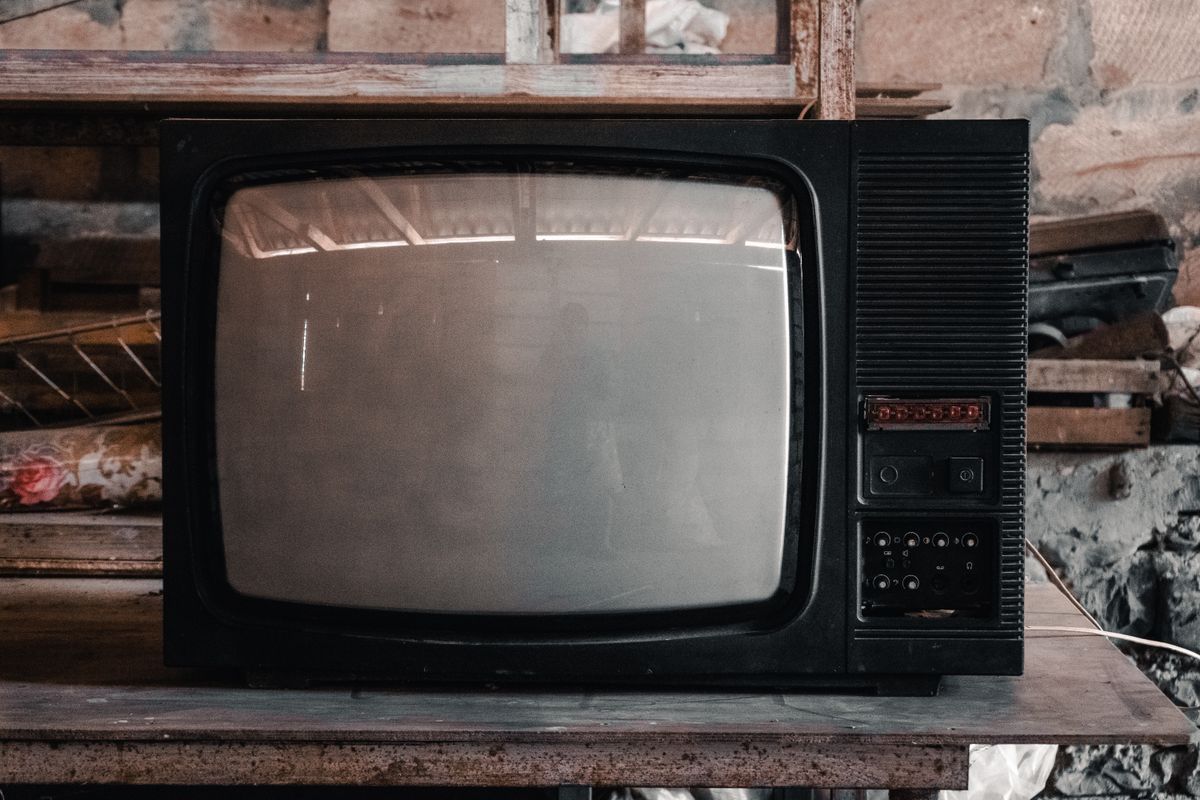
Sometimes an old television has simply reached the end of its useful life. Perhaps the screen is damaged, the power no longer works, or replacement parts are difficult to find.
In that situation, responsible electronics recycling is a better option than putting the television in an ordinary household recycling bin.
The U.S. Environmental Protection Agency warns that older cathode-ray-tube televisions contain lead and may require special handling. Some older sets contain an average of approximately four pounds of lead.
Televisions also contain materials that require appropriate processing when the equipment is discarded.
Check with your local waste management authority, electronics manufacturer, retailer, or dedicated electronics recycling facility to find out what they accept.
For example, Best Buy operates a television recycling program at participating U.S. stores, although fees, size restrictions, and accepted models vary. It also offers certain television haul-away services.
Don’t assume every recycling center accepts every television. Contact the facility first, especially if you have a large tube television.
A Few Things to Check Before Getting Rid of Your Old TV
Before deciding what to do, take a few minutes to inspect the television.
- Test its condition: Check the picture, sound, power button, remote control, and available connections.
- Identify its type: A tube television may require different handling from a modern flat-screen model.
- Protect your personal information: Sign out of streaming accounts and reset smart televisions before selling or donating them.
- Check local recycling rules: Do not put a television in curbside recycling unless your local program specifically accepts it.
- Avoid dismantling it yourself: Older televisions can contain hazardous components and should be handled appropriately.
Related: Outdated Beliefs Boomers Still Hold Onto
Your Old Television May Still Have Something to Offer
Replacing a television does not automatically make the previous one useless. Depending on its condition, it could become a second screen, a gaming display, a family photo showcase, or a useful donation to someone who needs it.
Even when reuse is no longer practical, responsible recycling gives the equipment a more appropriate destination than ordinary household garbage.
The next time you upgrade your entertainment setup, take a moment before throwing away the old television. It might still have a place in your home or someone else’s.
Do you still have an old television sitting somewhere in your house, and what have you done with it?