8 Grandma Gravy Secrets That Made Sunday Dinner Unforgettable
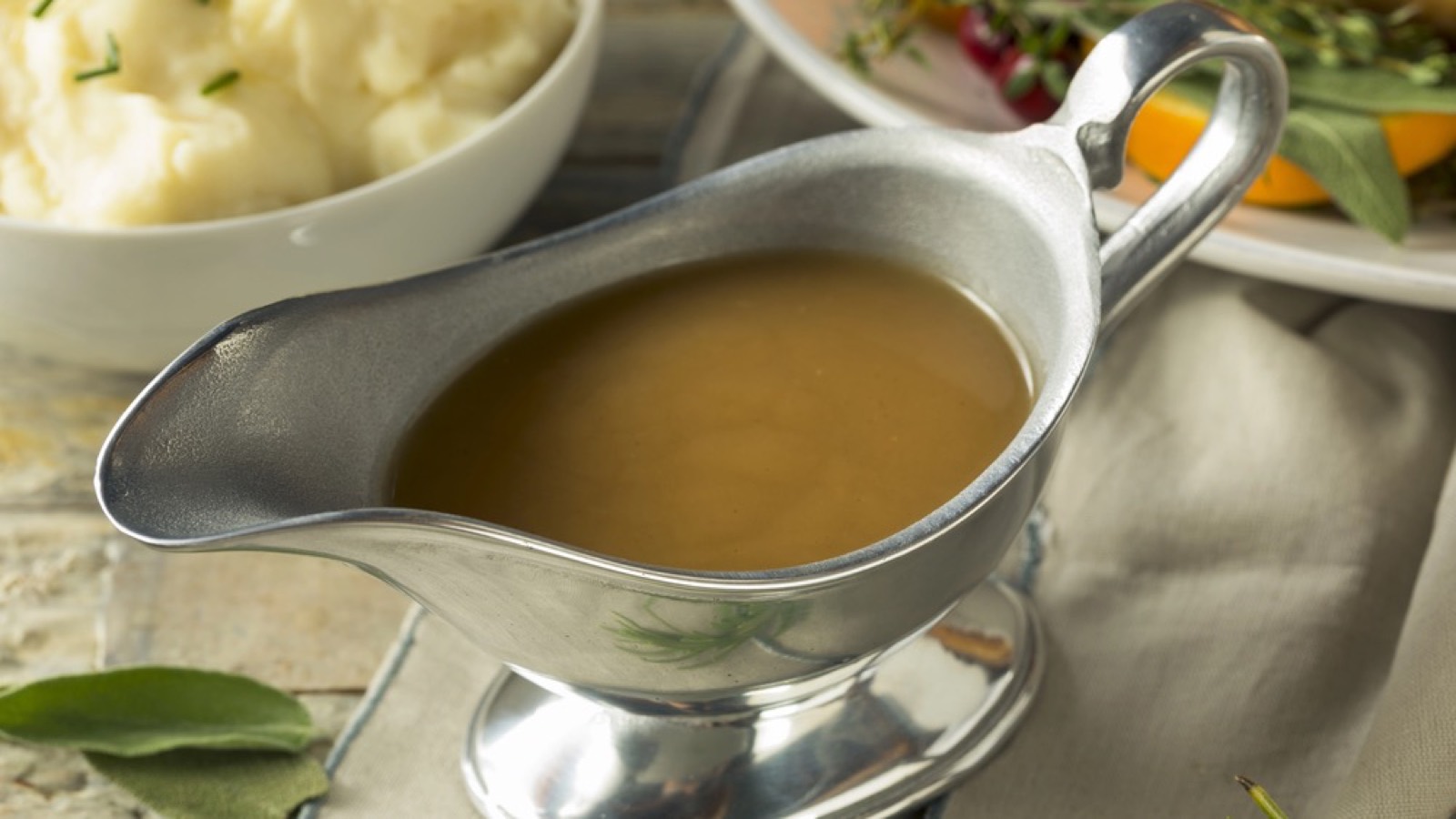
There’s a reason people still talk about Grandma’s gravy decades after she made her last batch. It was rich, smooth and deeply flavored, and it turned a plain plate of meat and potatoes into the best meal of the week. Sunday dinner simply wasn’t complete without a gravy boat being passed around the table, refilled at least once before dessert.
Most grandmothers never wrote their gravy recipe down because, to them, it wasn’t really a recipe. It was a handful of habits and tricks learned at their own mothers’ stoves. Many of those habits are worth bringing back, whether you’re making gravy for Thanksgiving or a simple Sunday pot roast. Here are eight of the secrets that made Grandma’s gravy so unforgettable.
1. She Never Threw Away the Brown Bits in the Pan
The foundation of Grandma’s gravy was the roasting pan or skillet the meat cooked in. After the roast, chicken or pork chops came out, the pan was left with drippings and dark brown bits stuck to the bottom. To Grandma, that wasn’t a mess to scrub but the most valuable part of the meal.
She set the pan over the burner, poured in a splash of water or broth and scraped up every bit with a wooden spoon. Cooks call this deglazing, and those browned bits, called fond, carry a huge amount of flavor. That one step is often the difference between flat gravy and the kind people remember for a lifetime.
2. She Cooked the Flour Before Adding Liquid
Grandma knew that raw flour makes gravy taste pasty. So she stirred the flour into the hot fat first and let it cook for a minute or two, sometimes longer, before adding any liquid. This mixture of fat and flour is called a roux, and it’s the backbone of many classic sauces.
The longer she cooked it, the darker and nuttier it became. For chicken gravy she might keep it light and golden, but for a beef roast she often let it turn a deeper brown. That small bit of patience added flavor and color without any extra ingredients.
3. She Added the Liquid a Little at a Time
Lumpy gravy was a disgrace in many family kitchens, and Grandma avoided it by adding liquid slowly. She poured in a little broth, milk or water, whisked until smooth and only then added more. Rushing this step by dumping everything in at once is one of the most common ways gravy turns lumpy.
If lumps did appear, she had a fix. She’d whisk hard, press them out against the side of the pan or, in a pinch, pour the gravy through a strainer. Many families never knew she had a backup plan, because by the time the gravy reached the table it was perfectly smooth.
4. She Saved the Potato Water
One of the quieter secrets in many old kitchens was potato water. When Grandma boiled potatoes for mashing, she saved some of the cooking water instead of pouring it all down the drain. That starchy liquid helped thicken the gravy and gave it a silky texture.
It also added a mild, savory flavor that tied the gravy to the potatoes it would be poured over. Thrifty cooks who grew up during the Depression rarely wasted anything, and this was a perfect example. Many home cooks today have never heard of the trick, but it still works beautifully.
5. She Used the Giblets for Holiday Gravy
On Thanksgiving and Christmas, Grandma’s gravy often got an extra boost from the giblets that came tucked inside the turkey. She simmered the neck, heart and gizzard in a small pot of water with an onion, celery and a bay leaf for hours. That homemade stock went into the gravy, and sometimes the chopped meat did too.
Giblet gravy is still a must in many Southern homes, though younger cooks are sometimes squeamish about it. Fans say nothing tastes more like the holidays. For families who grew up with it, a gravy boat without bits of giblet and chopped egg just doesn’t feel right.
6. She Seasoned at the End
Grandma didn’t dump salt into the gravy at the start. The drippings were already salty, and broth can vary a lot, so she waited until the gravy was nearly finished before tasting and adjusting. A pinch of salt, a few grinds of black pepper and sometimes a dash of something extra came last.
Her secret extras varied from kitchen to kitchen. Some added a splash of Worcestershire sauce, others a spoonful of Kitchen Bouquet for color, and a few used a little coffee in beef gravy. These small finishing touches gave her gravy a flavor nobody could quite pin down, and she rarely told anyone what it was.
7. She Never Walked Away From the Stove
Gravy is one of the last things finished before a meal, and it needs attention. Grandma stayed at the stove, stirring constantly while it thickened, even with a house full of hungry relatives calling her name. She knew gravy could scorch on the bottom or thicken too much in a matter of seconds.
If it got too thick, she thinned it with a splash of broth or potato water. If it was too thin, she let it simmer a bit longer. Many cooks who now thank the cook after every meal say they learned that habit watching their grandmother work at the stove like this.
8. She Made Plenty
Perhaps the simplest secret of all was quantity. Grandma always made more gravy than anyone thought they needed, because she knew it would disappear fast. It went on the meat, the potatoes, the biscuits and sometimes even the dressing, and nobody wanted to be the one who reached for an empty gravy boat.
Leftover gravy rarely went to waste either. It showed up on Monday’s hot roast beef sandwiches or warmed over leftover turkey and toast. For many families, the second-day gravy was almost as beloved as the first.
Why Packet Gravy Never Measured Up
Gravy mixes became popular in the mid-20th century, and plenty of busy households have used them. They’re convenient and fairly consistent, but most people who grew up with homemade gravy can taste the difference right away. A packet can’t match the depth that comes from real pan drippings and slow cooking.
That’s one reason many cooks are going back to old methods. Food writers and test kitchens regularly explain make gravy from drippings, roux and stock, the same basic steps grandmothers used without ever looking them up. The technique hasn’t changed because it doesn’t need to.
Passing the Gravy Secrets Down
For many families, the gravy is the hardest dish to replicate after Grandma is gone. Recipes for pies and casseroles are often written on index cards, but gravy lived only in her hands. Some grown grandchildren spend years trying to recreate the exact taste they remember.
If there’s still a chance to stand next to a grandmother or mother at the stove, it’s worth taking. Watch how she scrapes the pan, how long she cooks the flour and what she adds at the end. Those little details are the real recipe, and they’re what made Sunday dinner unforgettable.