Canned Baked Beans Taste Homemade When You Add These 3 Things
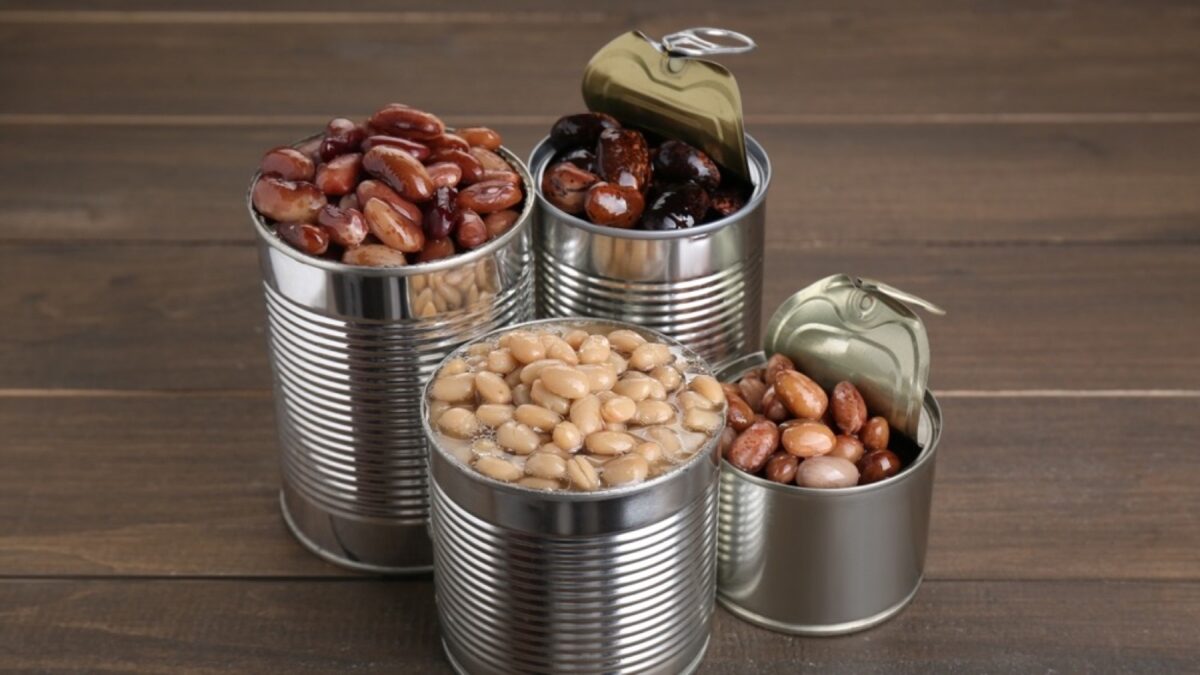
Canned baked beans are one of the great American shortcuts. They’ve been feeding families at cookouts, church suppers and busy weeknight dinners for generations, and a can or two usually sits in the back of the pantry for emergencies. But straight out of the can, they can taste a little flat, sweet and one-note.
The good news is that turning them into something that tastes slow-cooked and homemade doesn’t take hours or a long list of ingredients. Many seasoned home cooks rely on the same simple trio to doctor up canned beans: crisp bacon, sautéed onion and a little extra tang and depth. Here’s how those three additions work, and why they make such a big difference.
Why Canned Baked Beans Need a Little Help
Most canned baked beans come cooked in a sweet tomato or molasses sauce. They’re designed to taste good to as many people as possible, which usually means a mild, sugary flavor without much depth. They’re perfectly fine on their own, but they don’t have the rich, smoky character of beans that baked slowly in the oven.
Traditional baked beans, especially the New England style, were cooked for hours with salt pork, molasses and mustard. That long, slow cooking let the flavors soak into the beans and thicken the sauce. With a few additions and a short time in the oven or on the stove, canned beans can get surprisingly close to that old-fashioned taste.
Addition 1: Bacon
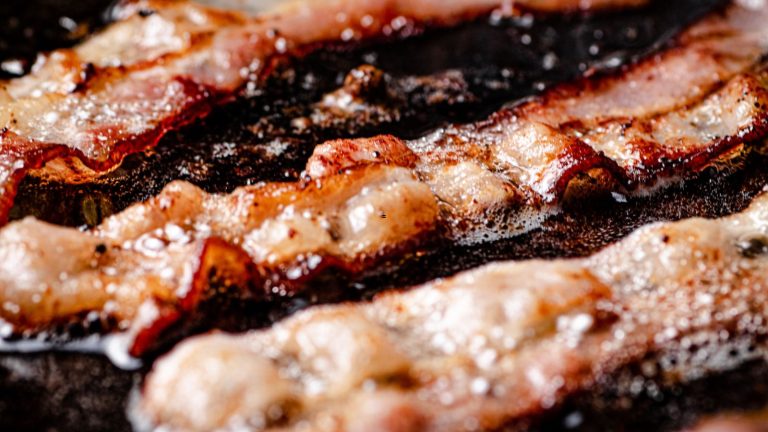
The first and most important addition is bacon. Fry a few strips until crisp, then chop them and stir them into the beans, saving a spoonful of the rendered fat. Bacon adds smokiness, saltiness and a meaty richness that canned beans are usually missing.
This is a nod to the salt pork that was once standard in homemade baked beans. Many cooks lay a few extra half-strips of bacon over the top of the beans before baking, so they crisp up in the oven. For a lot of families, a pan of bacon-topped beans is the real star of the cookout table, even more than the burgers. Beans have long been one of those budget foods that everyone ends up loving.
Addition 2: Onion Cooked in the Bacon Fat
The second addition is onion, and the trick is to cook it in that saved bacon fat. Dice a small yellow onion and sauté it until it’s soft and lightly golden. Some cooks also add a chopped green bell pepper or a minced clove of garlic at the same time.
Cooked onion brings a mellow sweetness and savory backbone to the beans. Raw onion would stay crunchy and sharp, so taking a few minutes to soften it first matters. Once it’s tender, stir it into the beans along with the bacon, and you’ll already notice they smell more like something that came from a home kitchen.
Addition 3: Mustard and a Splash of Something Tangy
The third addition balances the sweetness. A spoonful of yellow or Dijon mustard and a splash of apple cider vinegar or Worcestershire sauce add tang and depth that cut through the sugary sauce. Many cooks also add a spoonful of brown sugar or molasses at the same time, so the flavor ends up deeper rather than simply sweeter.
Mustard has a long history in baked beans. Classic Boston baked beans recipes often call for dry mustard along with molasses and salt pork. A little tang wakes up the whole dish, and most people can’t quite tell what’s been added, only that the beans suddenly taste better.
How to Put It All Together
Start by frying four to six strips of bacon in a skillet until crisp. Set them aside on a paper towel and pour off all but about a tablespoon of the fat. Cook a diced onion in that fat over medium heat until soft, about five to seven minutes.
Pour two large cans of baked beans into a baking dish or oven-safe pot. Stir in the cooked onion, most of the chopped bacon, a tablespoon of mustard, a tablespoon of brown sugar and a splash of vinegar or Worcestershire sauce. Top with the remaining bacon and bake at 350 degrees for about 45 minutes to an hour, until the sauce is thick and bubbling around the edges.
Why Baking Them Makes Such a Difference
You can heat the doctored beans on the stove if you’re short on time, but baking them uncovered is what really makes them taste homemade. The sauce thickens, the edges caramelize and the flavors have time to blend. The top layer develops a slightly sticky, darker crust that many people consider the best part.
Older cooks often baked beans in a bean pot or cast-iron Dutch oven. Today, a regular casserole dish works fine. Just keep an eye on the beans near the end, and if they look too thick, stir in a splash of water.
Other Popular Add-Ins
Once you’ve mastered the basic trio, there are plenty of ways to make the beans your own. Some cooks stir in a little barbecue sauce or ketchup for a tangier flavor. Others add browned ground beef or sausage to turn the beans into a hearty main dish.
A pinch of chili powder or a few dashes of hot sauce adds a little kick. In the South, some families add chopped pineapple for sweetness. Leftover ham or pulled pork can also go in, which is a great way to use up extras after a holiday meal.
Making Them Ahead for a Crowd
Doctored baked beans are a favorite for potlucks and family gatherings because they’re easy to make ahead. You can assemble the beans the night before, keep them covered in the refrigerator and bake them the next day. Many cooks say they taste even better after resting overnight, since the flavors have more time to soak in.
They also travel well. A covered baking dish wrapped in a towel will stay warm on the drive to a church supper or a relative’s house. And because canned beans are inexpensive, a big pan can feed a crowd without straining the grocery budget.
The Shortcut Nobody Has to Know About
There’s no shame in starting with a can. Generations of home cooks have relied on canned baked beans and quietly dressed them up before anyone arrived. With a little bacon, a soft cooked onion and a spoonful of mustard and vinegar, the beans taste like they took all afternoon.
The next time a recipe calls for baked beans, try these three additions and see what your family says. Chances are someone will ask for the recipe. Whether or not you tell them it started with a can is entirely up to you.