Popular Texas Lake Enforces Boat Ban After Officials Issue Emergency Safety Order
A popular Texas lake destination has been temporarily closed after extreme weather left officials worried about what could be hiding beneath the surface. Lake Travis and parts of the Pedernales River near Austin were shut down after days of heavy rain, flooding, and dangerous conditions forced local leaders to put public safety ahead of summer recreation.
The temporary restrictions affected motorized boaters, kayakers, swimmers, and other visitors who regularly use the waterways. Officials warned that even calm-looking water can become dangerous after major flooding because debris, damaged structures, and unpredictable currents may remain hidden below the surface.
The closure came as Central Texas faced a wave of severe weather that brought intense rainfall, flash flood warnings, river flooding, and tornado alerts across the region.
Officials shut down part of Lake Travis after flooding concerns.
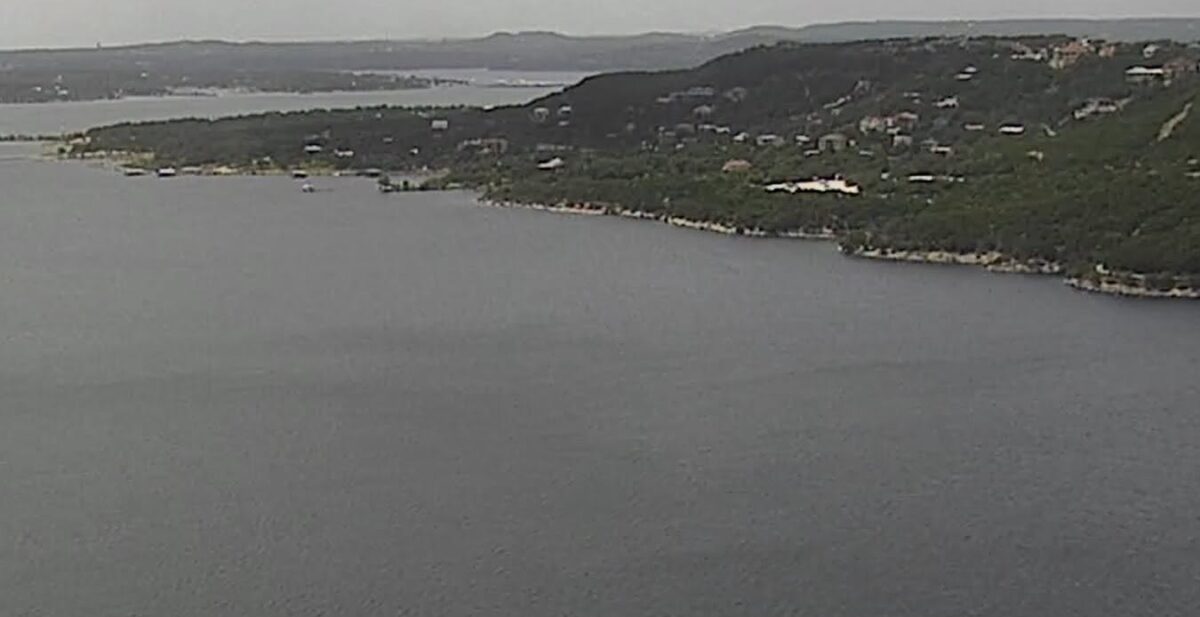
Travis County Judge Andy Brown signed a supplemental disaster order that temporarily restricted access to sections of Lake Travis and the Pedernales River.
The affected area included a portion of Lake Travis between mile markers 27 and 37, where officials said the risk from floating debris and other hazards was high. Boat ramps in the area were also closed as part of the safety response.
Brown said the decision was necessary because flood conditions created dangers that were not always visible to people entering the water.
“Because of this threat, it was imperative for Travis County to limit use of Lake Travis between mile marker 27 and 37,” Brown said.
He also urged commercial operators and members of the public to be cautious when using other parts of the lake that remained open.
The restrictions were designed as a temporary measure while officials assessed conditions and worked to reduce risks caused by the severe weather.
Heavy rainfall left parts of Central Texas dealing with damage.
The lake closure followed days of intense storms across Central and South Texas. The rainfall caused widespread flooding, damaged homes, and created dangerous conditions in several communities.
Officials reported that hundreds of homes and businesses were damaged or destroyed during the flooding. The storms also led to emergency warnings as rivers and waterways rose quickly.
Texas Governor Greg Abbott said state agencies were working with local officials to help communities recover and remove debris left behind by the flooding.
“The state is working and will continue to work with local officials to expedite debris removal, as well as to accelerate the rebuilding process,” Abbott said.
The cleanup effort highlighted one of the biggest challenges after major flooding: removing hazards that can remain long after the rain stops.
Why flood debris can make lakes dangerous
Many people think a lake becomes safe once rainfall ends and water levels begin to drop. However, officials warn that flooding can dramatically change underwater conditions.
Fast-moving floodwaters can carry tree branches, damaged docks, construction materials, and other debris into lakes and rivers. Some objects may float near the surface, while others can sink and become difficult to see.
For boaters, hidden debris can damage engines, cause accidents, or create dangerous situations for passengers. Swimmers and paddleboarders face risks because they may not know what is beneath the water.
Flooding can also change currents and water movement. Areas that are normally predictable may become more difficult to navigate after storms.
That is why officials often restrict recreation temporarily after major weather events, even when the skies have cleared.
Lake Travis remains a major recreation destination.
Lake Travis is one of Central Texas’ most popular outdoor destinations, attracting boaters, swimmers, anglers, and visitors looking for water activities near Austin.
The lake stretches across more than 60 miles and has long been a gathering place for residents and tourists. Because of its popularity, even short-term closures can affect businesses and visitors who depend on summer activity.
During warm months, thousands of people visit its parks, marinas, and recreational areas. However, local officials said safety concerns had to come first while crews evaluated the impact of the flooding.
The temporary restrictions were not intended to end recreation permanently but to give authorities time to address immediate dangers.
Texas communities face the challenge of rebuilding after storms.
The Lake Travis closure reflects a larger challenge facing communities after extreme weather events. Flooding can leave behind problems that continue for days or weeks after the immediate danger has passed.
Emergency crews must inspect roads, remove debris, assess damage, and determine when public areas can safely reopen.
For residents and visitors, officials recommend following safety instructions and avoiding restricted areas until authorities confirm conditions have improved.
Reopening too quickly can create additional risks, especially in places where water conditions can change rapidly.
A reminder that flood dangers do not disappear with the rain
The Lake Travis shutdown serves as a reminder that severe weather impacts can continue even after storms move away. Clear skies do not always mean waterways are safe.
For boaters, swimmers, and outdoor enthusiasts, patience can make the difference between enjoying the water and facing unnecessary danger.
As Central Texas continues recovery efforts, officials are balancing the desire to reopen popular recreation areas with the need to protect the public.
The temporary closure may inconvenience visitors, but authorities say the goal is simple: make sure people return to the water only when conditions are truly safe.