6 Times You Shouldn’t Use Aluminum Foil, According to Kitchen Experts
Aluminum foil is a kitchen essential most Americans reach for without thinking twice. It covers leftovers, eases cleanup, and helps keep certain foods from drying out in the oven. However, despite its versatility, aluminum foil can cause more trouble than convenience in some situations.
From damaging expensive appliances to interfering with cooking results, foil isn’t always the best choice. The U.S. Food and Drug Administration (FDA), appliance manufacturers, and food safety authorities have identified several situations that require caution. Here are six times you should reconsider reaching for that familiar silver roll.
When Heating Food in the Microwave
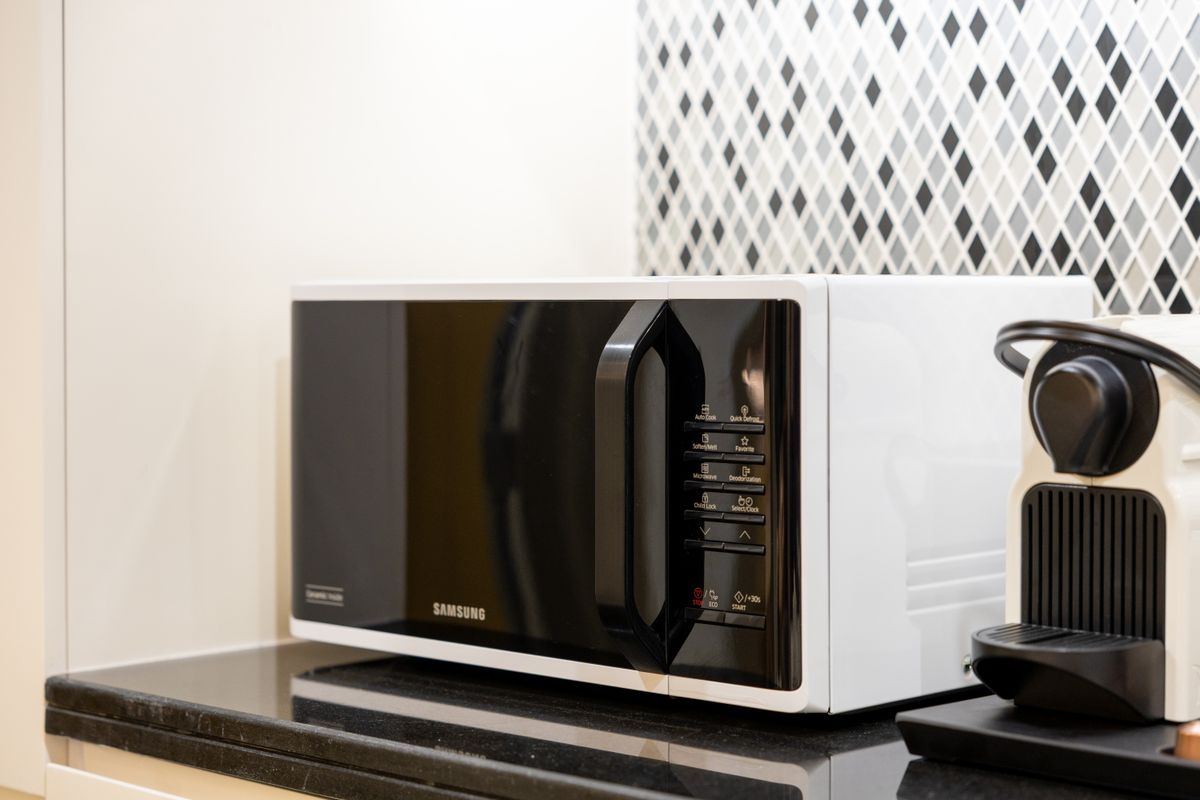
Reheating leftovers in the microwave is convenient, but aluminum foil generally shouldn’t be part of the process. According to the FDA’s microwave oven guidance, metal reflects microwaves, which can cause uneven heating and potentially damage the appliance. Foil can also cause electrical sparks, especially when wrinkled or improperly positioned.
Limited exceptions exist, since the USDA allows small pieces of smooth foil to shield certain foods under specific conditions. However, these exceptions require careful placement and adherence to the appliance manufacturer’s instructions. For everyday reheating, transferring food to a microwave-safe glass or ceramic container is simpler.
When Lining the Bottom of Your Oven
Putting aluminum foil directly on the bottom of an oven might seem like an easy way to catch grease and bubbling casserole spills. Unfortunately, this popular cleaning shortcut can lead to expensive appliance damage. GE Appliances warns that foil placed on the oven floor can trap heat, melt, and damage internal surfaces.
The company also identifies potential shock and fire hazards associated with this practice. Instead, GE recommends placing a cookie sheet under the cooking dish or using foil on a lower oven rack, as directed in the appliance’s instructions. A little extra preparation can help you avoid turning a simple cleaning shortcut into a costly repair.
Related: how-to-clean-oven-racks/
When Cooking Acidic or Very Salty Foods
Tomatoes, vinegar-based marinades, and heavily salted ingredients may not be the best companions for ordinary aluminum foil. Germany’s Federal Institute for Risk Assessment advises against direct contact between uncoated aluminum and acidic or salty foods because those conditions can increase aluminum transfer into food. The recommendation applies to both food storage and certain cooking situations.
However, a small reaction doesn’t automatically mean the food has become dangerous. The USDA explains that contact with salt, vinegar, or highly acidic foods can create pinholes or discoloration, sometimes accompanied by harmless aluminum salts.
When Covering an Entire Oven Rack
Covering an entire oven rack with aluminum foil may seem like a clever way to catch drips from several dishes at once. However, blocking the rack can disrupt heat and air circulation inside the appliance. The result may be uneven cooking and reduced oven performance.
The problem becomes more serious when foil blocks ventilation openings, particularly in gas ovens. GE warns that covering slots, holes, or passages can disrupt airflow and create dangerous conditions, including carbon monoxide exposure. Instead of covering the entire rack, use properly sized cookware to catch spills and follow your oven manufacturer’s guidance.
When Baking Foods That Stick Easily
Aluminum foil works well for lining baking sheets, but ordinary foil doesn’t release food as well as a nonstick surface. Foods like melted cheese, sticky glazed chicken, and delicate baked goods can cling to the foil while cooking. Trying to peel them away afterward can leave your carefully prepared meal looking less appealing.
Reynolds recommends its nonstick foil for recipes involving cheese, sticky sauces, or other ingredients likely to adhere to the pan. Parchment paper can also help with certain baking tasks, as long as the cooking temperature stays within the product’s stated limit. Choosing the right lining before cooking can make serving easier and reduce the frustration of scraping stuck-on food from the surface.
When Covering Gas Burners or Electric Cooktop Surfaces
Some home cooks place foil around stovetop burners to catch splatters before they reach the cooking surface. While the idea sounds practical, covering burner areas can interfere with normal appliance operation. GE specifically advises against using aluminum foil to cover gas cooktop grates or line any part of the gas cooktop.
On electric radiant cooktops, foil presents a different problem. GE explains that heat can cause aluminum foil to fuse to the glass surface, creating damage that can’t be cleaned off. Instead of improvising a foil liner, clean the cooktop according to the manufacturer’s instructions and use accessories approved for the appliance.
The Bottom Line
Aluminum foil remains a useful kitchen staple, and there’s no reason to eliminate it from everyday cooking. It works well for many jobs, including covering oven-safe dishes, wrapping appropriate foods, and lining baking sheets when used correctly. The important distinction is knowing when its heat-conducting properties, metal composition, or tendency to stick make another material a better choice.
Before lining an appliance or wrapping an unfamiliar ingredient, check the manufacturer’s recommendations. A microwave-safe dish, nonreactive storage container, or correctly rated nonstick baking liner may be all you need. Making these small adjustments can protect your cookware, improve cooking results, and keep a convenient kitchen habit from becoming an expensive mistake.
Other articles you may like:
– things-to-know-before-wrapping-food-in-aluminum-foil-for-cooking/
– items-you-should-never-store-in-your-oven-drawer/