DoorDash Driver Struggles to Understand Nurse’s Delivery Instructions, Sparking Debate Over English Requirements
A nurse on her lunch break wanted one thing: her food delivered to the right side of her workplace before her break ran out. Instead, she says, she found herself searching a parking lot, struggling to communicate with her DoorDash driver, and eventually watching the phone call end without a solution.
Now, she’s raising a question that has sparked a wider debate: Should DoorDash stop assigning deliveries to drivers who cannot communicate effectively in English?
The woman, who shares content on TikTok as @_rashaundamciver, says she supports immigration but believes people with limited English proficiency should reconsider working in food delivery.
Her frustration comes down to everyday communication. She says delivery instructions are sometimes ignored, phone conversations become difficult, and customers end up spending valuable time trying to explain where their orders should go.
She also extends the complaint to customer service interactions, arguing that heavy accents can make resolving problems unnecessarily difficult.
Her position has opened a much bigger conversation about customer service, language barriers, immigration, and what customers should reasonably expect when ordering through an app.
A Lunch Break That Turned Into a Parking Lot Search
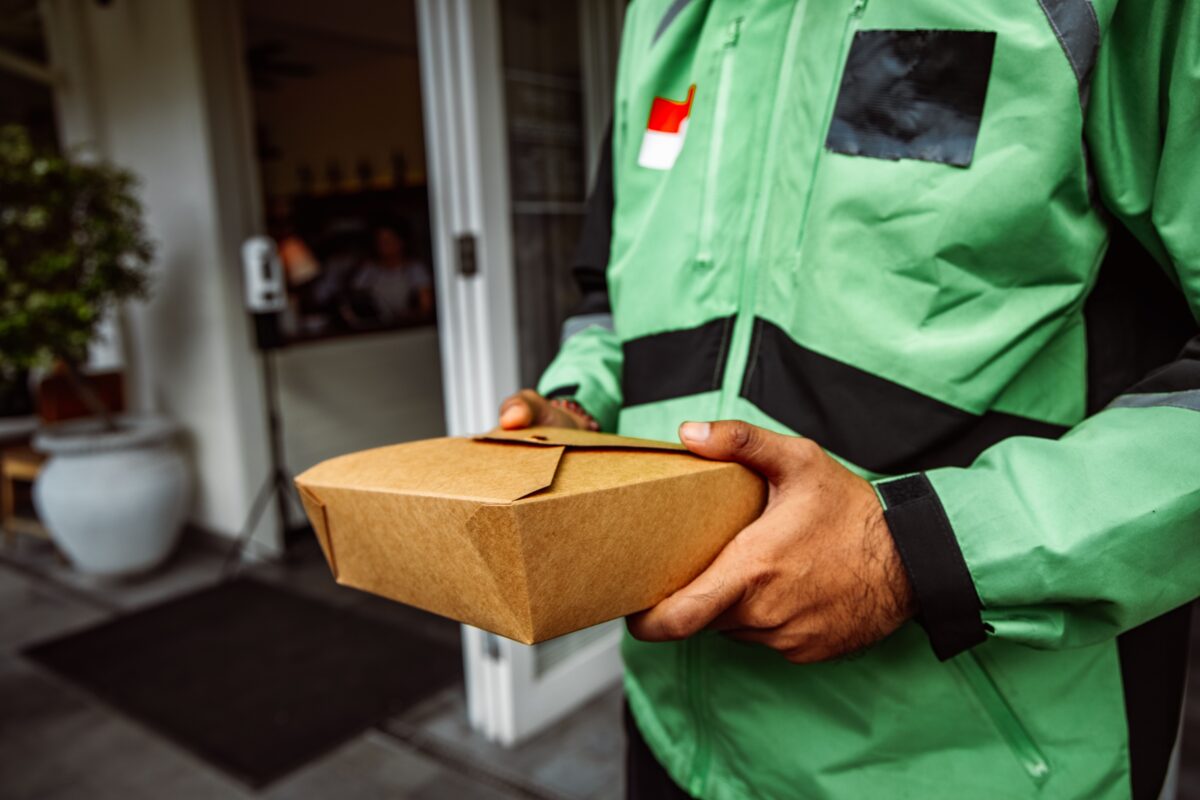
The incident described in her video is particularly relatable to anyone who has ordered food while working.
The nurse says she was standing outside her workplace in her scrubs, looking around for a delivery that was supposed to arrive. However, the driver had reportedly gone to the opposite side of the facility.
She called to explain where she was, hoping they could quickly establish each other’s locations. According to her account, the conversation went nowhere, and the call ended before they could resolve the confusion.
For someone enjoying a leisurely afternoon at home, a delivery mix-up might be a minor inconvenience. For someone working a demanding shift with a limited lunch break, those lost minutes can feel considerably more frustrating.
Her argument is that customers pay for more than the food itself. They also expect the delivery instructions to be understood and followed.
And when communication breaks down, the customer often ends up doing the extra work.
English Is Widely Spoken, but America Is Multilingual
The creator’s argument relies partly on the expectation that delivery workers should be able to communicate in English.
English is the dominant language in American public life, but the country is also home to millions of people who speak other languages.
According to the U.S. Census Bureau, the number of Americans speaking a language other than English at home increased from 23.1 million in 1980 to 67.8 million in 2019.
Spanish accounted for approximately 62% of people speaking another language at home in those figures.
English proficiency also varies across language groups. Census data showed that 39% of Spanish speakers, 52% of Chinese speakers, and 57% of Vietnamese speakers reported speaking English less than very well.
A separate analysis of American Community Survey figures estimated that 74.1 million Americans spoke a language other than English at home in 2024.
These numbers illustrate an important reality: English is widely used, but not everyone communicates with the same level of fluency.
That doesn’t automatically mean someone can’t deliver.
DoorDash Does Not List English Fluency as a General Sign-Up Requirement
Interestingly, DoorDash’s published Dasher requirements do not include a specific English-language proficiency test.
According to the company’s official Dasher requirements, applicants generally need to meet the minimum age requirement, have a compatible smartphone, and complete the sign-up process.
Drivers using cars must also have a valid domestic driver’s license and personal auto insurance. The process also includes a background check and applicable vehicle requirements.
The published criteria list no general English-language screening requirement.
That means the communication issue raised in the TikTok video is not something DoorDash publicly identifies as a formal barrier to becoming a Dasher.
However, the company has introduced tools intended to make communication easier across language differences.
DoorDash Already Has Some Translation Features
DoorDash has made efforts to accommodate its multilingual marketplace.
According to CALÓ News, the platform has introduced translation features for customer-Dasher conversations, Spanish-language support options, and language settings within the Dasher app covering 54 languages.
These features can help customers and drivers communicate through written messages without necessarily speaking the same language.
But there’s a difference between sending a translated message and explaining something over a phone call.
A customer standing outside a large workplace may need to give quick directions, describe a nearby entrance, or explain exactly where an order should be left.
Translation tools can help, but they don’t necessarily solve every real-time communication problem.
That’s where the creator believes DoorDash needs to do more.
Should DoorDash Test Communication Skills Instead of Accent?
There is an important distinction between speaking with an accent and being unable to communicate effectively.
Someone can have a strong accent and still understand delivery instructions perfectly. Another person might speak with a familiar American accent but struggle to follow written directions.
The Equal Employment Opportunity Commission explains that accent-based employment decisions can raise national-origin discrimination concerns.
An employer may consider spoken English proficiency when it is genuinely necessary for a job, but an accent must materially interfere with the person’s ability to perform the relevant work before it can justify an adverse decision.
The distinction matters because a blanket rule excluding people based on how they sound differs greatly from requiring workers to show they can understand and follow essential job instructions.
The creator’s complaint is primarily about communication, not necessarily pronunciation.
One possible solution would be a basic comprehension assessment during onboarding. Applicants could be asked to read sample delivery instructions, identify the correct drop-off location, and demonstrate that they understand common customer requests.
Such a test would focus on the actual task rather than someone’s background or accent.
Customers and Drivers Both Deserve Fair Treatment
This debate also deserves another perspective.
Delivery drivers come from different backgrounds, speak different languages, and may be navigating unfamiliar buildings and neighborhoods. A language barrier doesn’t automatically mean someone is careless or incapable of doing their job.
At the same time, customers shouldn’t have to spend their entire lunch break searching for an order because basic instructions weren’t understood.
Both sides have reasonable expectations.
DoorDash can improve the experience with better communication tools, clearer delivery instructions, and practical ways to assess whether drivers can complete essential delivery tasks.
A blanket language ban would be an unfair response to a problem that may have more practical solutions.
So, Should DoorDash Require Drivers to Understand English?
The TikTok creator has raised a question that goes beyond one misplaced food delivery.
Customers want convenience, drivers want access to work, and platforms like DoorDash have to make those two expectations work together.
Understanding delivery instructions matters. A particular accent or a different home language shouldn’t automatically disqualify someone from earning money through delivery work.
The bigger question is whether DoorDash is doing enough to make communication reliable for everyone using its platform.