Frozen Berries Sold at Walmart and Trader Joe’s Were Just Moved to the FDA’s Highest Recall Risk Level
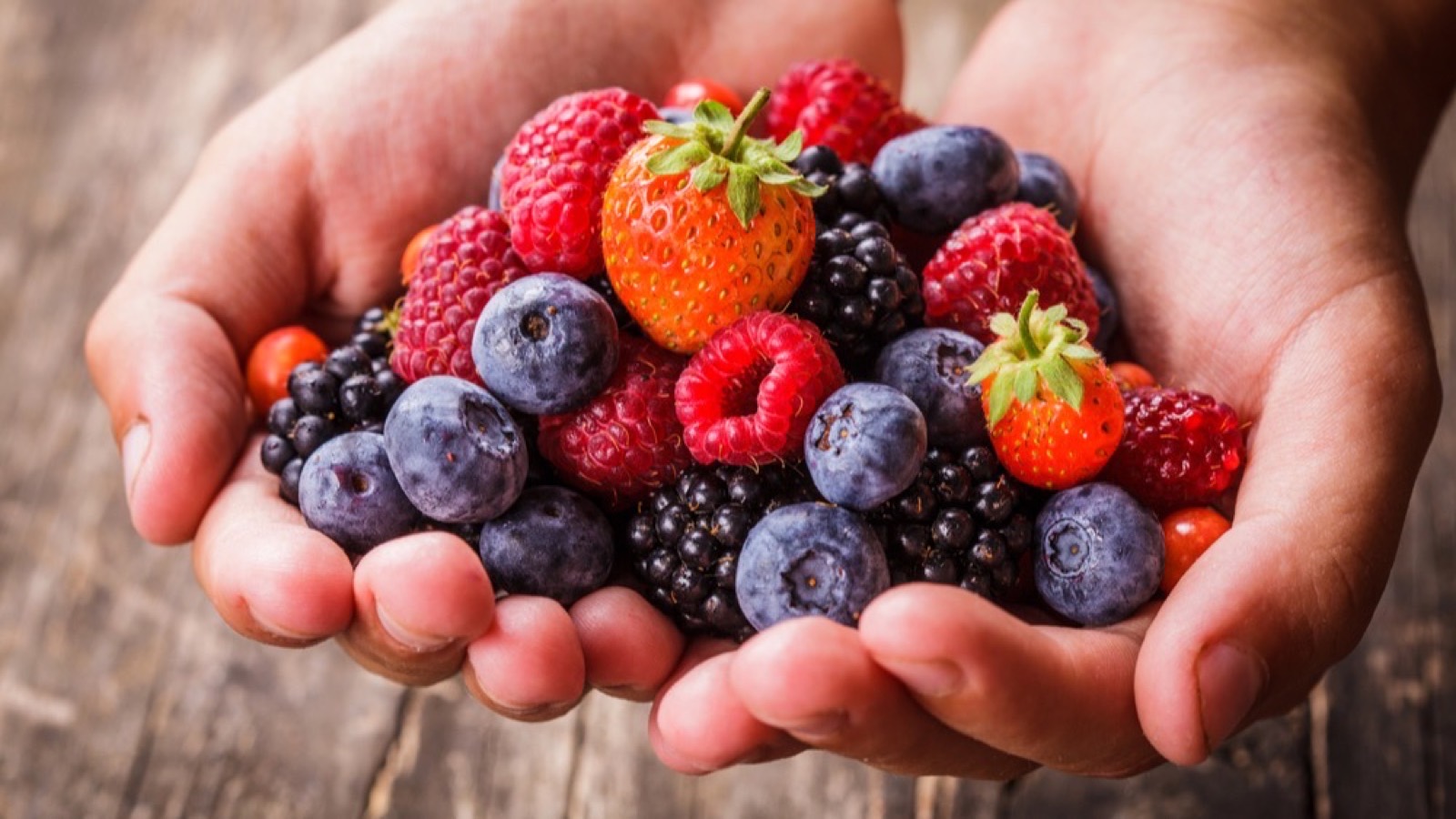
If you keep a bag of frozen berries in the freezer for smoothies, oatmeal or holiday baking, this is a good weekend to take a closer look at it. A recall of frozen berries sold at Walmart and Trader Joe’s has been upgraded to the most serious category the Food and Drug Administration uses. The products were first pulled in October, but many families may still have a bag tucked behind the ice trays.
The berries were recalled over possible contamination with a dangerous strain of E. coli, and the new classification means federal regulators now see a real chance of serious harm. With the holidays coming and plenty of people stocking up on frozen fruit for pies and breakfasts, here is what changed, which bags are affected and what to do if you have one at home.
What Changed This Week
According to the Daily Mail, the FDA announced on Thursday that three recalled frozen berry products have been classified as Class I. That is the agency’s highest risk level, reserved for products where there is a reasonable probability that using them could cause serious health consequences or death.
The upgrade does not mean new products were added. It means the FDA reviewed the October recall and decided it belongs in the most serious category. For shoppers, the practical message is the same as before, only louder: if you have one of these bags, don’t eat the berries.
Which Products Are Included
Three products are covered by the upgraded recall. Walmart’s Great Value Organic Triple Berry Blend in a 10-ounce bag is on the list, with UPC codes ending in 6 031 01 and 6 041 01. Walmart’s Great Value Organic Blueberries, also in a 10-ounce bag, are included with codes 6 019 01, 6 040 01 and 6 163 01.
The third product is Trader Joe’s Organic Mixed Berry Blend in a 12-ounce bag, with the code 6 051 01. The codes are printed near the barcode on the back of each bag. The berries carry best-by dates running up to June of next year, which is why many bags may still be sitting in home freezers.
Who Made the Berries
The berries were produced by Frutas y Hortalizas del Sur SA, a company based in Chile. The company first issued the alert in October and recalled about 154,000 bags in total. It said in its notice that it is working with health agencies on the recall.
Frozen fruit is often grown and packed overseas, then shipped to American stores under store-brand labels. That means the name on the front of the bag is not always the company that grew or froze the fruit. When recalls happen, the UPC code and best-by date are usually the most reliable way to tell whether your bag is affected.
Where the Berries Were Sold
The Great Value products were shipped to select Walmart stores in 30 states, along with Puerto Rico. Those states include Alabama, Arkansas, Connecticut, Florida, Georgia, Iowa, Illinois, Indiana, Kansas, Kentucky, Louisiana, Michigan, Minnesota, Missouri, Mississippi, North Carolina, North Dakota, Nebraska, New Jersey, New York, Ohio, Oklahoma, Pennsylvania, South Carolina, South Dakota, Tennessee, Texas, Virginia, Wisconsin and West Virginia.
The Trader Joe’s berries were stocked in 26 states plus Washington, D.C. Those states include Alabama, Arkansas, Colorado, Delaware, Florida, Georgia, Illinois, Indiana, Iowa, Kansas, Kentucky, Louisiana, Maryland, Michigan, Minnesota, Missouri, Nebraska, North Carolina, Ohio, Oklahoma, Pennsylvania, South Carolina, Tennessee, Texas, Virginia and Wisconsin. If you shop at either store in one of these places, it’s worth checking.
How Many People Got Sick
The outbreak tied to these berries sickened 17 people in Florida and Georgia, and six of them were hospitalized. No deaths were reported. People fell ill between May and early August, and most of those interviewed by health officials said they had eaten frozen blueberries in the week before they got sick.
The Centers for Disease Control and Prevention declared the outbreak over in October. Even so, recalled products can stay in freezers for months, which is one reason regulators keep warning shoppers long after the original alert. There have been no illnesses linked to other berry products, according to the report.
The Earlier Publix Recall
This is not the first time berries from the same supplier have been pulled. In July, the company warned that 10-ounce bags of GreenWise Organic IQF Blueberries sold at Publix might be contaminated. Those were sold in eight southern states: Alabama, Florida, Georgia, Kentucky, North Carolina, South Carolina, Tennessee and Virginia.
Later that same month, GreenWise Organic Frozen Whole Blueberries and Whole Mixed Berries in 10- and 48-ounce bags were added. If you shop at Publix and bought frozen GreenWise berries over the summer, it’s a good idea to check those bags as well.
Why Frozen Berries Keep Showing Up in Recalls
Many shoppers are surprised to learn that freezing doesn’t kill E. coli. According to the report, the bacteria stop growing in cold temperatures but can survive being frozen and start growing again once they warm up. Because frozen berries are often eaten without cooking, in smoothies, yogurt bowls or straight from the bag, any contamination can reach people directly.
Readers commenting on the story pointed out that frozen berries seem to land on recall lists more often than other foods. The report noted that it is not clear how these particular berries were contaminated. Food safety experts generally point to water used in growing or washing produce as one way contamination can happen.
What to Do if You Have a Recalled Bag
Shoppers are urged not to eat the recalled berries. You can throw them away or return them to the store where you bought them for a full refund. If you’re not sure where a bag came from, compare the UPC code and best-by date with the list above before using it.
It’s also a good idea to wipe down any freezer shelf or container where the bag was stored. If you’ve already used some of the berries in a dish that’s still in the fridge or freezer, many families choose to throw that out too rather than take a chance. Anyone with health concerns should talk to their doctor, and the FDA keeps an updated list of recalls on its website.
A Good Time to Clean Out the Freezer
With Thanksgiving and Christmas baking on the way, many people are already digging through their freezers for pie fruit, cranberries and leftover holiday ingredients. That makes this a convenient moment to check every bag of frozen fruit, toss anything that’s been recalled and make room for the season’s cooking. Checking a few codes now can save a lot of worry later.
If you’re planning to bake with frozen fruit this season, a little kitchen organizing goes a long way. Label bags with the date you bought them, keep receipts for big shopping trips and sign up for recall alerts from your grocery store if it offers them. Those small habits make it much easier to act quickly when a warning like this one comes out.