The FTC and 29 States Are Suing Dollar General, Saying Shoppers Paid More at the Register Than the Shelf Price
If you’ve ever reached the register at a dollar store and wondered why your total seemed higher than you expected, you’re not alone. A major new lawsuit claims that Dollar General has been charging customers more at checkout than the prices shown on its shelves, in its flyers and online. The case brings together the Federal Trade Commission, 29 states and one of the largest counties in the country.
For families who rely on Dollar General for groceries and household basics, especially in small towns with few other stores nearby, the claims hit close to home. Here is what the lawsuit says, which states are involved and what shoppers can do to protect themselves at the register.
What the Lawsuit Claims
According to KOIN 6 News, Oregon Attorney General Dan Rayfield joined the lawsuit against Dollar General on Friday. The case alleges that the chain charged customers more at the register than the prices it advertised on store shelves, in flyers and online.
The lawsuit asks a court to order Dollar General to fix its pricing practices, pay penalties and refund customers who were overcharged. According to the report, customers often picked up an item marked at one price and then paid more when it was scanned at checkout. Auditors have also reportedly found wrong shelf prices on a range of products at stores nationwide.
Which States Are Involved
Oregon filed the lawsuit alongside the Federal Trade Commission and 28 other states. Those states are Alabama, Arizona, Arkansas, Connecticut, Delaware, Florida, Georgia, Illinois, Iowa, Kansas, Kentucky, Louisiana, Maine, Michigan, Minnesota, Mississippi, Nebraska, New Jersey, New Mexico, North Carolina, Ohio, Oklahoma, Rhode Island, South Carolina, South Dakota, Tennessee, Utah and Wisconsin.
Los Angeles County also joined the case. That’s a broad coalition stretching across the South, the Midwest, the Northeast and the West, which shows how widespread officials believe the problem is. The lineup includes several states where Dollar General has a large number of stores, especially in rural areas.
What the Attorney General Said
Rayfield put the issue in plain terms. “If the shelf says $3, you shouldn’t pay $4 at the register,” he said, according to the report. He added that families are stretching every dollar and that, for many Oregonians, Dollar General may be the only place nearby to buy groceries.
He also said shoppers can’t afford to be overcharged and shouldn’t have to check every receipt to make sure they weren’t. According to Rayfield, the company has received thousands of customer complaints about overcharging. He said Dollar General had been warned before and that the lawsuit would make sure it finally stops.
Why This Matters for Small Towns
Dollar General is the largest dollar store chain in the United States, with more than 20,000 stores. According to the report, 89 of those stores are in Oregon, and a majority of them are in small towns such as John Day, Nyssa and Irrigon. In places like these, there may be no full-size supermarket for many miles.
That makes Dollar General a lifeline for groceries, cleaning supplies and other everyday items. When prices at the register don’t match the shelf, families who are already on tight budgets feel it most. Rayfield’s office noted that with the cost of living continuing to rise, many families simply can’t afford a surprise charge at the checkout line.
Dollar General Has Faced Similar Claims Before
This isn’t the first time the chain has faced accusations like these. According to the report, Dollar General settled similar overcharging claims in a separate lawsuit filed earlier by eight state attorneys general and consumer protection agencies. Despite that settlement, the Oregon attorney general says the company has not stopped overcharging customers.
That history is part of why so many states and the FTC are now joining forces. When problems continue after earlier settlements, regulators often push for stronger remedies, including court orders and penalties. Representatives for Dollar General did not immediately respond to KOIN 6 News’ request for comment.
How Price Errors Can Happen
Price mismatches can happen at any store when shelf tags aren’t updated after a price change or a sale ends. In large chains with thousands of products and limited staff, keeping every tag accurate can be a challenge. But regulators argue that when errors happen again and again, and mostly in the store’s favor, customers end up paying the price.
Many states have laws that require stores to charge the lowest advertised price or to post prices accurately. Some states even have rules that give shoppers the item free or a credit when they’re overcharged. The rules vary widely, so it’s worth checking what your own state’s consumer protection office says.
How Shoppers Can Protect Themselves
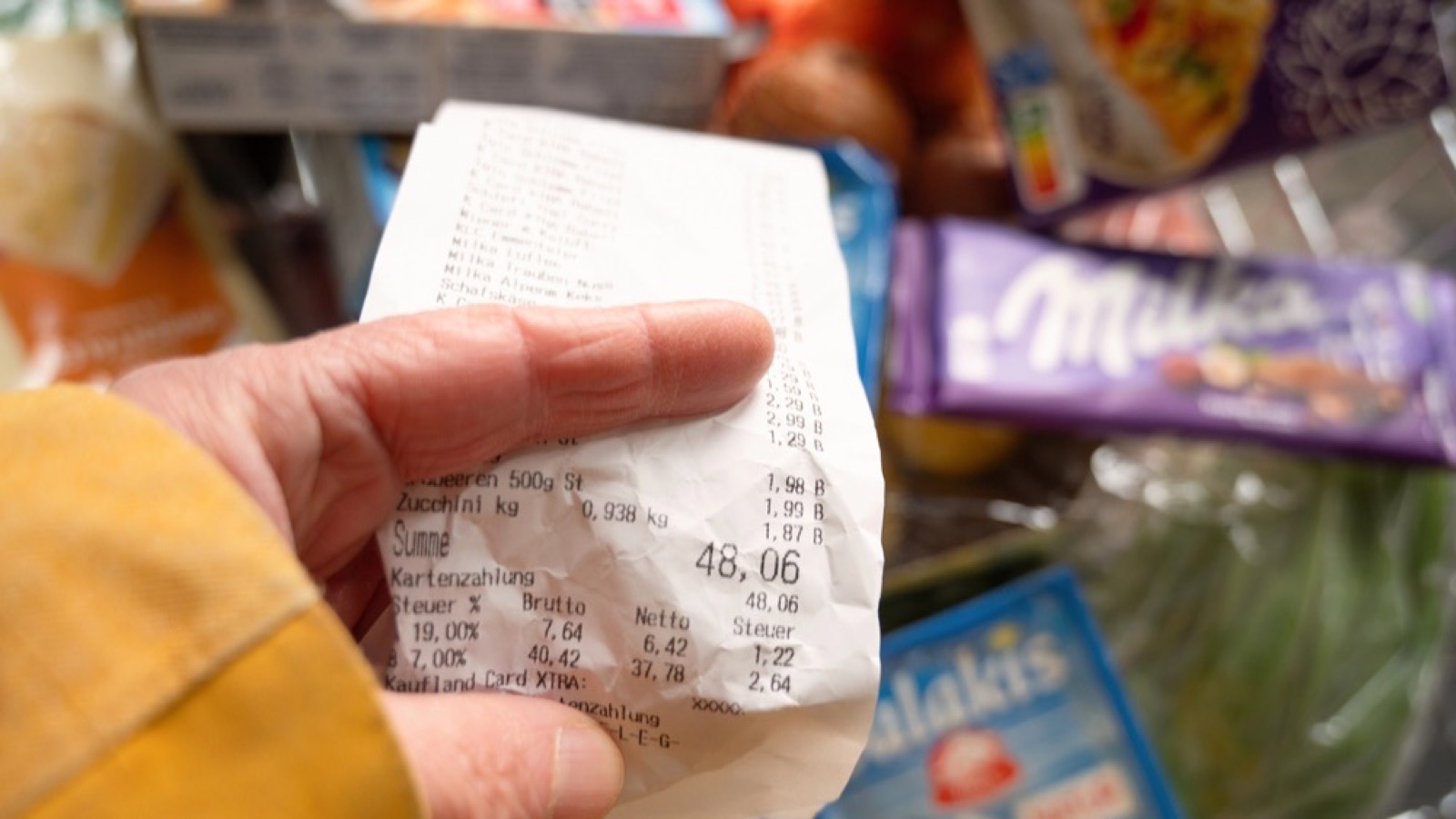
While the lawsuit works its way through the courts, there are simple steps shoppers can take. Watch the screen as items are scanned, especially sale items. Snap a quick photo of shelf tags for anything you’re buying because of the price. Check your receipt before leaving the store, and ask a cashier or manager to fix any mistakes right away.
If you believe you were overcharged and the store won’t correct it, you can file a complaint with your state attorney general’s office. The Federal Trade Commission also accepts consumer reports online. These complaints can help regulators spot patterns, and they’re often how cases like this one get started in the first place.
What Shoppers in These States Can Watch For
If you live in one of the states that joined the lawsuit, you may hear more about the case in the coming months. State attorneys general often post updates on their websites and may share information about how affected customers can file complaints or seek refunds.
Even if your state isn’t part of the case, the same habits apply. Checking prices at the register, keeping receipts and reporting problems can help protect your budget at any store.
What Happens Next
The case will now move through the courts, and it could take months or longer to resolve. If the states and the FTC win, Dollar General could be ordered to change its pricing practices, pay penalties and refund affected customers. The company could also choose to settle.
For now, shoppers who rely on Dollar General may want to keep a closer eye on every receipt. With grocery prices already stretching family budgets, even small overcharges add up over time, and making sure you pay the price on the shelf is a habit worth building.