7 Fast-Food Prices That Make Boomers Say “I Remember When”
Ask a baby boomer about fast food, and there’s a good chance you’ll hear a story that starts with “I remember when.” When boomers were kids and teenagers in the 1950s and 1960s, a burger, fries and a drink could cost less than a dollar. Some items cost just a dime.
Today, a single combo meal at many fast-food chains costs $10 or more. Prices have climbed so much that fast food is no longer the cheap meal it once was, and many families now think twice before pulling into the drive-thru. Of course, wages were much lower back then too. The government’s inflation calculator shows that a dollar in 1960 has the same buying power as roughly ten times that today. Even so, many fast-food prices have risen faster than boomers expected. Here are seven fast-food prices that make boomers shake their heads.
1. A 15-Cent McDonald’s Hamburger
When Ray Kroc opened his first McDonald’s franchise in Des Plaines, Illinois, in 1955, a hamburger cost 15 cents. A cheeseburger was 19 cents, and fries were 10 cents. A family could eat for about a dollar.
Today, a basic McDonald’s hamburger usually costs a few dollars, depending on location. For boomers who remember the 15-cent burger, it’s one of the most striking price changes in American food. Many of them recall walking to McDonald’s with a pocketful of change and leaving with a full meal.
2. A 37-Cent Whopper
Burger King introduced the Whopper in 1957, and it sold for 37 cents. It was bigger than the typical fast-food burger of the time, and it quickly became the chain’s signature sandwich.
Now a Whopper often costs $6 or more on its own in many areas, and even more as a combo. Boomers who grew up with the 37-cent Whopper say it’s hard to believe the same sandwich now costs nearly as much as a sit-down meal once did.
3. A 19-Cent Taco Bell Taco
Glen Bell opened the first Taco Bell in Downey, California, in 1962, and tacos sold for 19 cents each. For many Americans, it was their first taste of Mexican-style food, and the low price made it easy to try.
Today, a crunchy taco at Taco Bell costs well over a dollar in most places. Taco Bell still promotes its value menu heavily, but boomers who remember 19-cent tacos still find modern prices surprising.
4. A 49-Cent Big Mac
The Big Mac went national in 1968, and it cost around 49 cents. With two all-beef patties, special sauce, lettuce, cheese, pickles and onions on a sesame-seed bun, it felt like a big meal at the time.
Today, a Big Mac often costs $5 to $6 or more on its own, and a Big Mac meal can approach $12 or more in some areas. The Big Mac is so widely tracked that The Economist even uses its price around the world to compare currencies.
5. Ten-Cent Fries
In the early days of McDonald’s, a bag of fries cost 10 cents. Many boomers remember fries being the perfect after-school snack, cheap enough to buy with spare change.
Today, a large order of fries can cost $4 or more at many chains. Fries remain one of the most profitable items on fast-food menus, and boomers often grumble that a side of potatoes now costs more than an entire meal did when they were young.
6. Nickel Coca-Colas
For decades, a bottle of Coca-Cola cost just a nickel. The famous five-cent price held for more than 70 years, from the late 1800s until the late 1950s. Boomers remember buying Cokes from vending machines, soda fountains and corner stores for that same nickel.
Today, a fountain drink at a fast-food restaurant can cost $2 to $3 or more, and a bottle from a vending machine often costs over $2. Many boomers still talk about the days when a nickel bought a cold Coke.
7. Dollar Combo Meals in the 1980s and 1990s
Even later, fast food stayed cheap for a long time. In the 1980s and 1990s, value menus offered burgers, fries and drinks for a dollar or less. McDonald’s Dollar Menu and Wendy’s 99-cent menu were especially popular with budget-minded families.
Today, true dollar menus have nearly disappeared. Many chains have replaced them with “value” menus that cost a few dollars per item. For boomers who fed their own kids on 99-cent burgers, the change feels dramatic.
Why Fast-Food Prices Climbed So Much
Fast-food prices have risen for many reasons. Beef, potatoes, cooking oil and other ingredients cost more. Workers earn higher wages, and rent, insurance and energy costs have gone up. Many chains also invested heavily in technology, remodels and delivery services.
In recent years, prices rose especially fast. Some studies found that fast-food prices climbed faster than overall inflation, leading many customers to cut back. Chains responded with new value deals and app-only discounts to bring diners back.
Boomers Are Noticing, and Cutting Back
Many boomers say they eat fast food less often now because of the prices. Some say they’d rather cook at home or go to a sit-down restaurant where the price difference isn’t as big as it used to be. Others use apps and coupons to find the best deals.
For a generation that grew up with 15-cent burgers and nickel Cokes, today’s prices are a constant reminder of how much has changed. And like many overpriced expenses, fast food has become something many boomers think twice about before ordering.
When a Treat Was Truly Cheap
For many boomers, the drive-in or the burger stand was a weekend treat, often after a Little League game or a movie. Teenagers with summer jobs could take a date out for burgers and shakes without worrying about the bill.
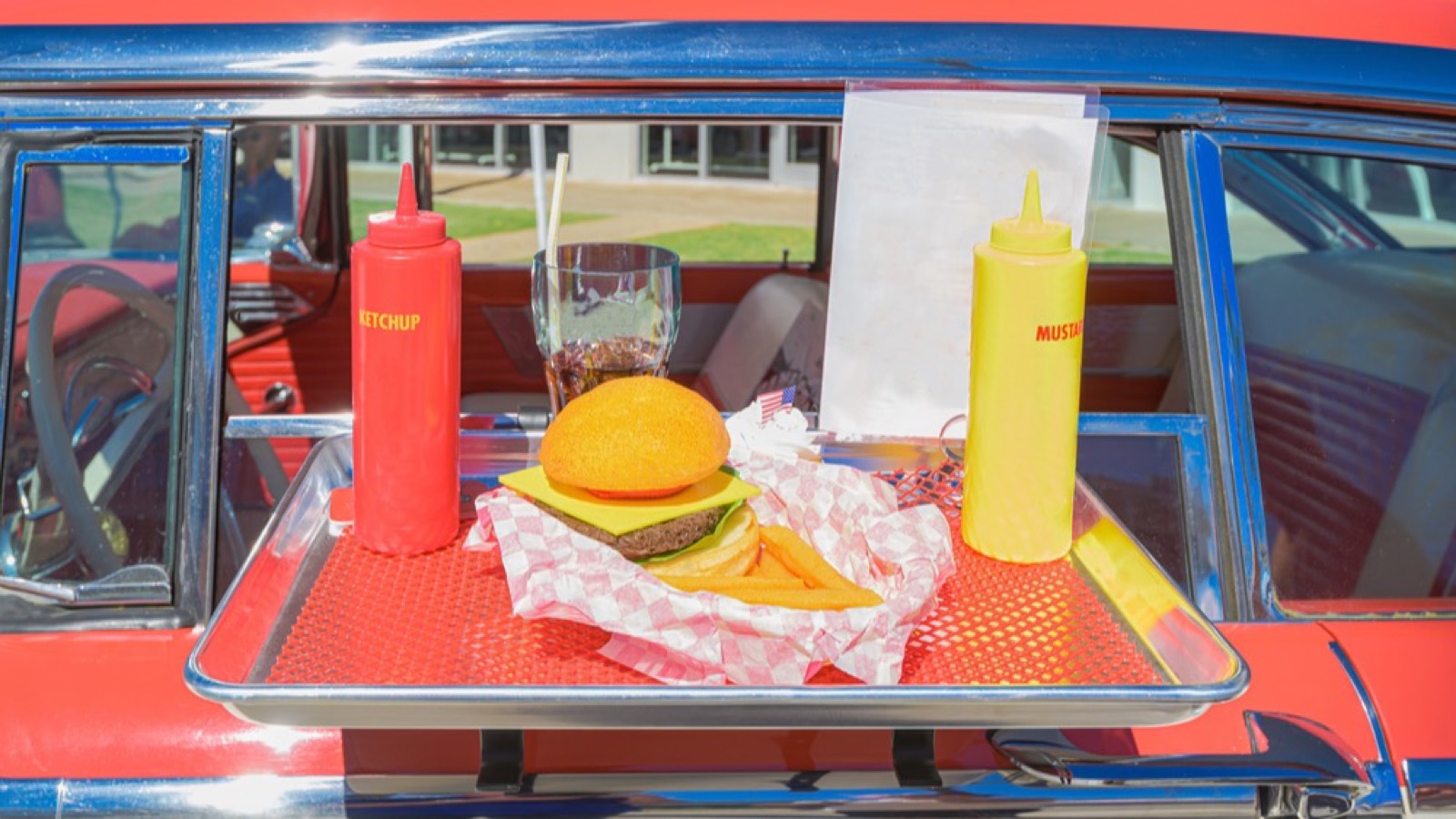
Many boomers also remember when a trip to a fast-food restaurant meant parking and eating in the car with a tray clipped to the window, or sitting at a picnic table outside. The prices were low, but the experience felt like a real outing.
A Taste of the Past
Of course, boomers know that prices go up over time. But the memory of a family dinner at McDonald’s for under a dollar is hard to shake. It’s part of the nostalgia of growing up in the 1950s and 1960s, when the drive-in was a weekend treat and a few coins in your pocket felt like a small fortune.
Whether it’s a 37-cent Whopper or a 19-cent taco, these old prices are a fun reminder of a different time. And when a boomer starts a sentence with “I remember when,” it’s usually worth listening.