10 Most Dangerous Diseases Still Affecting Humans
Some diseases do not need dramatic movie scenes to terrify us. They move quietly through homes, hospitals, workplaces, crowded cities, and rural villages, taking lives in ways that feel painfully ordinary. Modern medicine has built vaccines, scans, antibiotics, surgeries, and powerful drugs, yet many of the world’s deadliest diseases still sit comfortably among us. Some thrive because of poverty and poor sanitation.
Others grow stronger through lifestyle habits, aging populations, treatment gaps, and late diagnosis. The harsh truth is simple. Humanity has made progress, but these diseases still remind us that survival is never guaranteed.
Cardiovascular Disease

Cardiovascular disease remains the heavyweight champion of global death. It includes heart attacks, strokes, and other blood vessel conditions that can strike with frightening speed. WHO estimates that cardiovascular diseases caused 19.8 million deaths in 2022, making them the world’s leading cause of death.
The danger often builds silently through high blood pressure, smoking, diabetes, obesity, stress, and poor diet. Many people feel “fine” until the body suddenly delivers a brutal warning through chest pain, paralysis, breathlessness, or collapse.
Cancer
Cancer is dangerous because it is not one enemy. It is a whole army of diseases that can attack the lungs, breast, colon, liver, stomach, blood, skin, and nearly every organ. WHO reported nearly 10 million cancer deaths worldwide in 2022, with lung, breast, colorectal, prostate, skin, and stomach cancers among the most common forms.
Cancer becomes especially deadly when it hides until later stages, when treatment becomes harder, and survival chances shrink. Screening saves lives, but millions still lack early detection, affordable care, or access to modern cancer drugs.
Lower Respiratory Infections
Lower respiratory infections sound ordinary until pneumonia, influenza, RSV, or other infections turn breathing into a fight. These diseases hit babies, older adults, and people with weak immune systems especially hard.
A 2025 global burden analysis estimated that lower respiratory infections caused about 2.5 million deaths in 2023. They spread easily through coughs, close contact, crowded rooms, and weak health systems. The cruel part is that many deaths are preventable through vaccination, clean air, nutrition, early treatment, and basic medical access.
Chronic Obstructive Pulmonary Disease
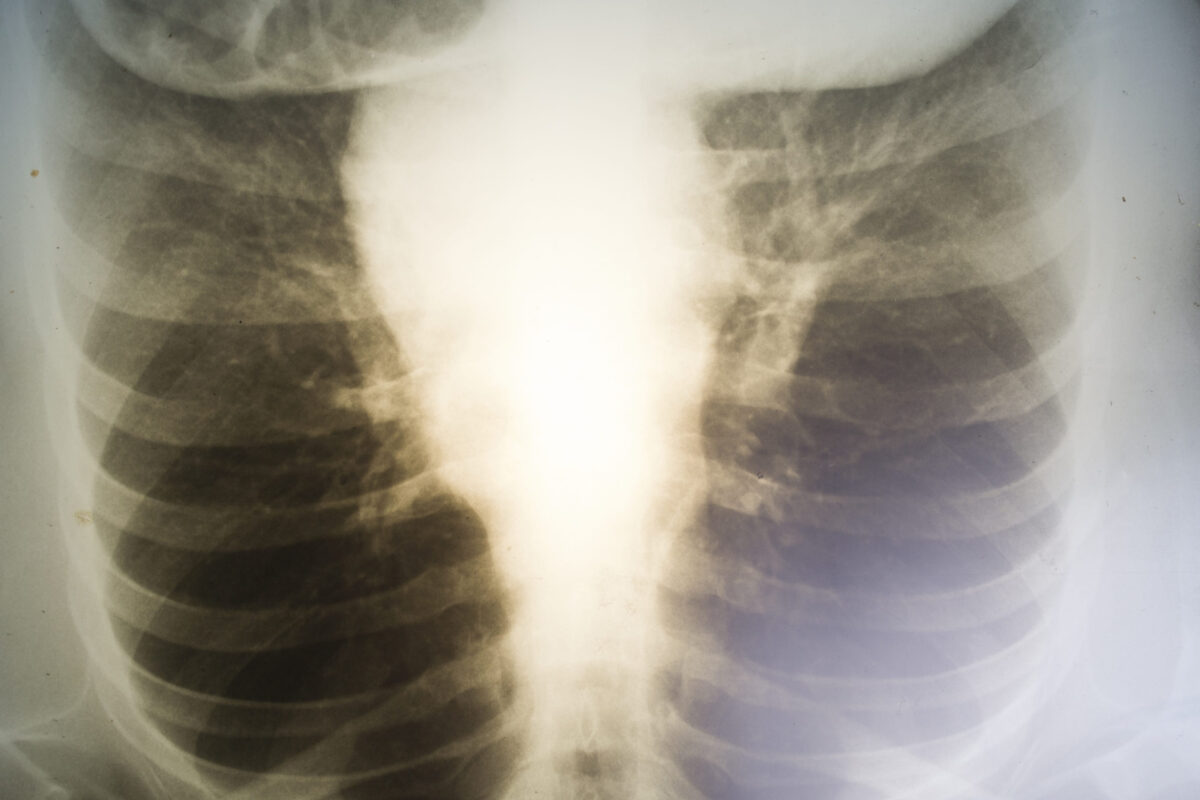
COPD slowly steals air from the lungs. It often develops after years of smoking, indoor cooking smoke, workplace dust, air pollution, or repeated respiratory infections. WHO says COPD caused 3.5 million deaths in 2021, making it the fourth leading cause of death worldwide.
People with COPD may live for years with coughing, wheezing, chest tightness, and breathlessness before the disease becomes severely limiting. It is dangerous because the damage is usually long-term, progressive, and often diagnosed after the lungs have already lost significant strength.
Tuberculosis
Tuberculosis sounds like an old disease from dusty history books, but it is still very much alive. TB spreads through the air when someone with active disease coughs, speaks, or sneezes.
WHO data show that 1.25 million people died from tuberculosis in 2023, and TB likely returned as the world’s leading killer from a single infectious agent after COVID-19’s peak years. The disease is treatable, yet drug-resistant TB, missed diagnosis, poverty, malnutrition, and crowded living conditions keep it deadly. Its quiet cough can become a global threat when treatment fails.
Malaria
Malaria remains one of the most ruthless diseases in warm regions where mosquitoes thrive. It can begin with fever, chills, sweating, headache, and body pain, then turn deadly if the parasite attacks the blood and organs.
WHO’s World Malaria Report 2025 estimated 282 million malaria cases and 610,000 deaths in 2024. Children and pregnant women face some of the highest risks. Bed nets, insecticides, rapid tests, medicines, and vaccines have helped, but climate shifts, mosquito resistance, conflict, and weak health systems keep malaria dangerously persistent.
HIV and AIDS
HIV is no longer the automatic death sentence it was in the early years of the epidemic, but it remains a major global threat. Antiretroviral therapy can help people live long, healthy lives, yet treatment gaps still cost lives.
UNAIDS reported that 40.8 million people were living with HIV in 2024, with 1.3 million new infections and 630,000 AIDS-related deaths that year. HIV is dangerous because it attacks the immune system and leaves the body vulnerable to infections and cancers. Stigma, poverty, misinformation, and limited testing still give the virus room to spread.
Diabetes
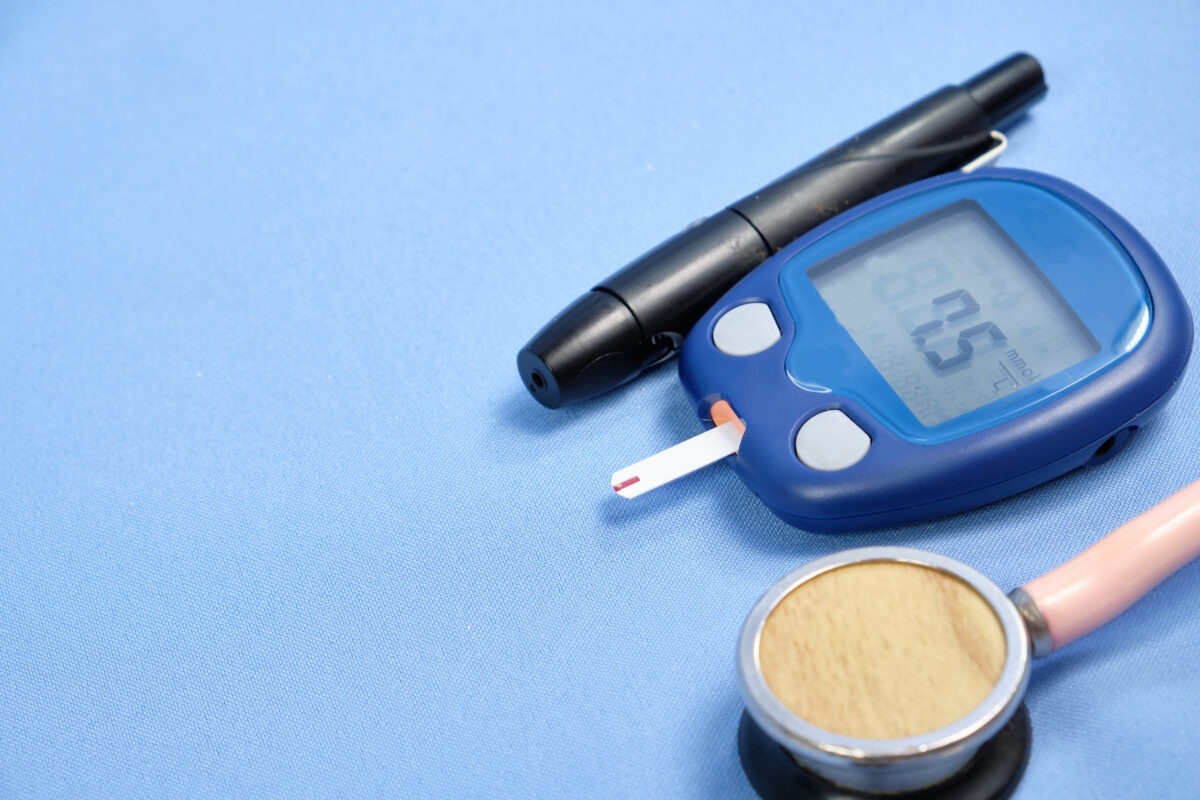
Diabetes looks manageable on paper, but its complications can be devastating. High blood sugar can damage the heart, kidneys, eyes, nerves, blood vessels, and feet over time. WHO reported that diabetes directly caused 1.6 million deaths in 2021, with nearly half of those deaths occurring before age 70. The disease becomes more dangerous when people go undiagnosed or cannot afford insulin, testing supplies, healthy food, or regular care.
Type 2 diabetes has risen sharply across many countries, pushed by diet changes, sedentary habits, weight gain, and aging populations.
Viral Hepatitis
Viral hepatitis is one of the world’s quietest killers because many people carry hepatitis B or C for years without knowing it.
The infection can slowly scar the liver, leading to cirrhosis, liver failure, or liver cancer. WHO’s Global Hepatitis Report 2024 found that hepatitis-related deaths rose to 1.3 million in 2022, up from 1.1 million in 2019. The tragedy is that hepatitis B has a vaccine, and hepatitis C can often be cured. Yet millions remain undiagnosed because testing and treatment still do not reach enough people.
Dementia and Alzheimer’s Disease
Dementia is dangerous in a different way. It does not usually strike like a fever or a heart attack. It slowly takes memory, judgment, language, independence, and eventually the ability to perform basic daily tasks. WHO says 57 million people were living with dementia in 2021, with nearly 10 million new cases every year, and Alzheimer’s disease may account for 60% to 70% of cases. Aging populations are making dementia a growing global crisis.
Families often carry the emotional and financial weight long before the final medical stage arrives.
Conclusion
The most dangerous diseases still affecting humans do not all look the same. Some spread through mosquitoes, air, blood, unsafe water, or close contact. Others grow from years of high blood pressure, smoking, poor diet, pollution, aging, or missed medical checks. What makes them so threatening is not only their death toll, but also their ability to hide, spread, return, or quietly damage the body before people realize how serious things have become.
The hopeful part is that many of these diseases can be prevented, treated, delayed, or managed with better access to care, cleaner environments, vaccines, screening, and honest public health education. The fight is far from over, but humanity is not helpless.