8 Old-Fashioned Cakes Grandma Baked in a Cast-Iron Skillet
In many American kitchens, the heaviest pan on the stove was also the most trusted. Grandma’s cast-iron skillet fried chicken on Sunday, cooked cornbread on Wednesday and somehow turned out a beautiful cake when company was coming. It sat on the stovetop or in the oven drawer, black and shiny from years of use.
Long before nonstick bakeware and silicone molds, cooks relied on cast iron because it held heat evenly and gave cakes a golden, slightly crisp edge. Some of these recipes were born out of necessity, when a family owned only a few pans. Others became beloved traditions passed down through generations. Here are the cakes Grandma pulled out of that skillet, often still warm, when the family gathered around the table.
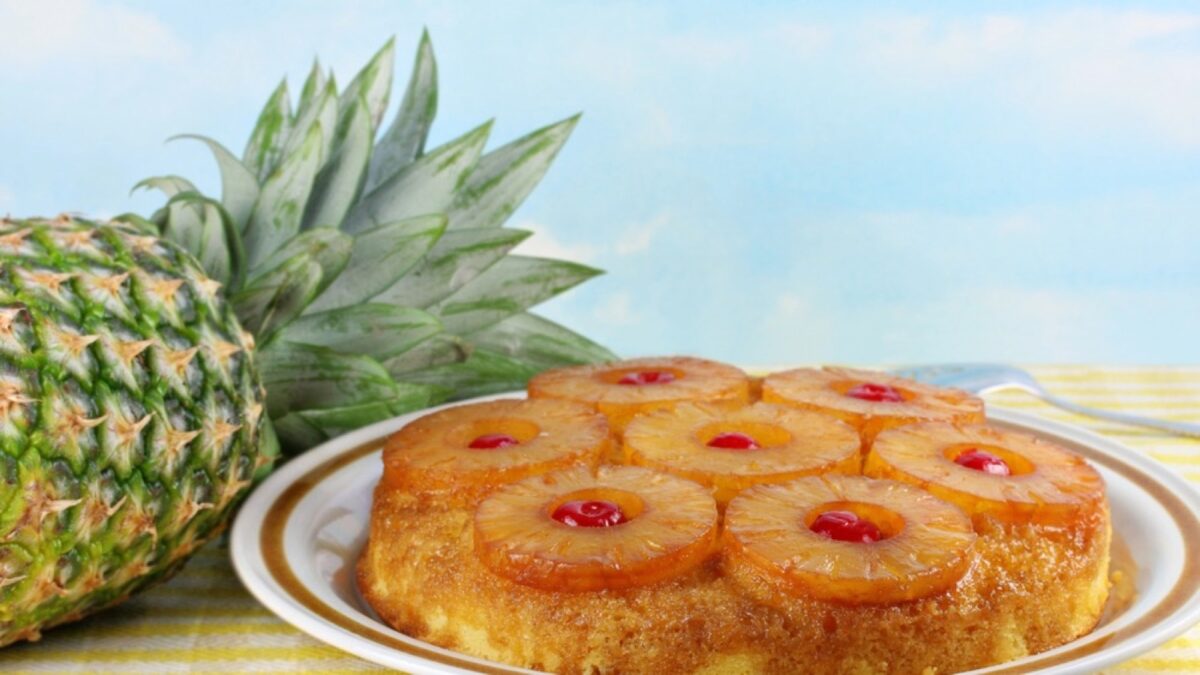
1. Pineapple Upside-Down Cake
This is the cake most people picture when they think of skillet baking. Grandma would melt butter and brown sugar in the bottom of the pan, arrange pineapple rings in a neat pattern, and tuck a bright red maraschino cherry into the center of each ring. Then she poured a simple yellow cake batter over the top and slid the skillet into the oven.
The magic happened when the cake came out and she flipped it onto a plate. The caramelized fruit ended up on top, glossy and sticky. The dessert became especially popular in the 1920s after canned pineapple became widely available, and a Dole recipe contest helped spread it across the country. For generations, it remained a church supper and holiday favorite.
2. Skillet Apple Cake
In fall, many grandmothers baked a simple apple cake right in the skillet. Sliced apples were cooked briefly in butter, cinnamon and sugar until they softened. A batter was spooned over them, and the cake baked until the edges pulled away from the pan.
Some versions were flipped like an upside-down cake, while others were served straight from the skillet with a spoon. The apples made the cake moist, and the cast iron gave the bottom a caramel flavor that is hard to copy in other pans. Families often ate it warm with a splash of cream or a scoop of vanilla ice cream.
3. Gingerbread
Old-fashioned gingerbread was often baked in a skillet rather than a loaf pan. The dark, spicy batter was made with molasses, ginger, cinnamon and cloves, and it filled the whole house with a warm smell as it baked. Cast iron gave it a firm edge and a soft, tender middle.
Gingerbread has deep roots in American cooking, and early cookbooks such as Amelia Simmons’s 1796 “American Cookery” included versions of it. Grandma’s skillet gingerbread was usually cut into wedges and topped with whipped cream or a lemon sauce. It was a winter staple, especially around the holidays.
4. Chocolate Skillet Cake
Some families had a rich chocolate cake that came out of the skillet every birthday. The batter was often simple, made with cocoa powder, sugar, flour, eggs and buttermilk or coffee for extra depth. Baking it in cast iron helped the cake rise evenly and kept it moist for days.
Many grandmothers frosted it right in the pan with a quick cooked icing or a dusting of powdered sugar. Others served it plain, letting the deep chocolate flavor speak for itself. Children loved the slightly crunchy edges, which were often the first pieces to disappear.
5. Peach Upside-Down Cake
In the South and other peach-growing regions, summer meant peach upside-down cake. Instead of pineapple, Grandma used fresh sliced peaches arranged over butter and brown sugar. The juices bubbled up as the cake baked, soaking into the batter and creating a sweet, syrupy topping.
This cake was a way to use the season’s best fruit while it was at its peak. Some families also used canned peaches in winter to bring a little summer back to the table. It was often served after a big Sunday dinner, still warm and fragrant from the oven.
6. Cornmeal Cake
Cornmeal cake sits somewhere between cornbread and dessert. Grandma would mix cornmeal with flour, sugar, butter and eggs to create a lightly sweet cake with a crumbly texture. The skillet gave it a golden crust that made it irresistible.
In many rural homes, cornmeal was a pantry staple, and this cake was an easy way to turn it into something special. It was sometimes topped with honey, syrup or fresh berries. The cast-iron skillet was considered essential for this kind of baking, because it gave the edges the crunch that cornmeal lovers wanted.
7. Blackberry Skillet Cake
When wild blackberries ripened along fences and roadsides, many grandmothers sent the kids out with buckets. The berries went into jam, cobblers and simple skillet cakes. A light batter was poured into the pan, and the berries were scattered over the top before baking.
As the cake baked, the berries sank and burst, leaving purple pockets of juice throughout. Some cooks sprinkled sugar on top so it would form a crisp, sweet crust. It was a rustic dessert, but families remember it as one of the best tastes of summer.
8. Shoofly-Style Molasses Cake
In some regions, especially among Pennsylvania Dutch families, a molasses crumb cake was a beloved treat. The base was a moist, dark cake flavored with molasses, and the top was covered in a crumbly mixture of flour, sugar and butter. Baking it in a skillet helped the bottom set firmly while the crumb topping turned golden.
This style of cake is closely related to shoofly pie, a famous Pennsylvania Dutch dessert. Grandma’s skillet version was easier to slice and serve, and it paired perfectly with a cup of coffee in the morning. Many families still make it during the holidays as a link to their roots.
Why These Skillet Cakes Still Matter
Cast-iron cakes are part of a larger story about how families cooked with what they had. A single skillet could serve breakfast, dinner and dessert in the same day. Grandma’s ability to turn simple ingredients into something special was a quiet kind of kitchen magic.
Many of those same skillets are still in use today, handed down from mothers to daughters and grandsons. With proper care, a cast-iron pan can last for generations. Every cake baked in one carries a little bit of family history, along with that unmistakable golden edge that only cast iron can give.