7 Grandma Desserts Made With Nothing but Pantry Staples
Grandma had a gift for making something sweet out of almost nothing. When the fruit bowl was empty and the fridge was bare, she could still pull together a dessert that made the whole family gather around the table. Flour, sugar, butter, a few eggs and a can or two from the pantry were all she needed.
Many of these desserts came from times when money was tight and families could not run to the store for every ingredient. The Great Depression, wartime rationing and big families on small budgets all shaped the way grandmothers baked. The result was a collection of simple, comforting treats that still taste wonderful today. Here are some of the desserts Grandma made with nothing but what was already on the shelf.
1. Wacky Cake
Wacky cake, also called crazy cake or depression cake, is one of the most famous pantry desserts in American history. It contains no eggs, milk or butter, which made it perfect during times when those ingredients were scarce or rationed. Instead, it uses flour, sugar, cocoa, baking soda, salt, vinegar, vegetable oil and water.
Many grandmothers mixed the batter right in the baking pan, making three small wells in the dry ingredients for the oil, vinegar and vanilla before pouring water over the top. The result is a moist, chocolatey cake that surprises people who try it for the first time. The recipe became especially popular during World War II rationing and is still a favorite for anyone who needs a quick dessert without a trip to the store.
2. Bread Pudding
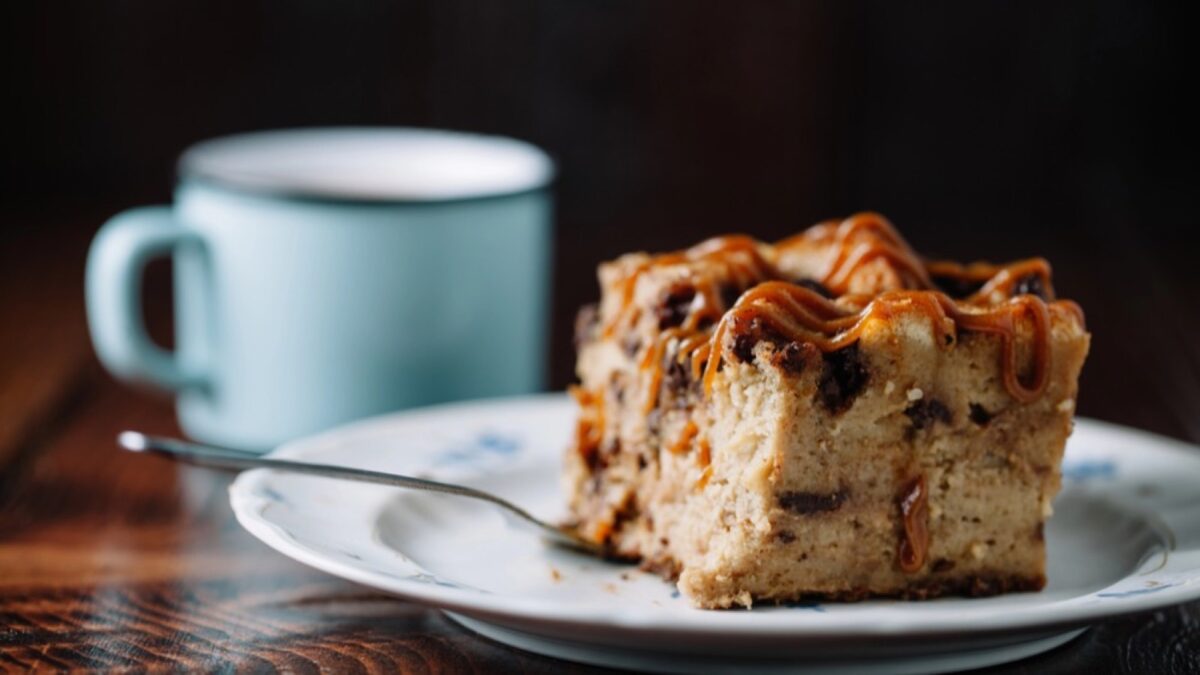
Bread pudding was Grandma’s way of making sure nothing went to waste. Stale bread was torn into pieces and soaked in a mixture of milk, sugar, eggs and spices, then baked until golden and custardy. Raisins were often added if there were any in the pantry.
This dessert has been around for centuries, and it was especially common in homes where every crumb counted. Some grandmothers topped it with a simple vanilla sauce or a drizzle of syrup. Others served it warm with a little cream poured over the top. Bread pudding remains a beloved comfort dessert in many parts of the country, particularly in the South and in New Orleans.
3. Molasses Cookies
Molasses was a common pantry staple in older American kitchens, and it found its way into many desserts. Molasses cookies were soft, chewy and full of warm spices like ginger, cinnamon and cloves. Many grandmothers rolled the dough in sugar before baking to give the cookies a sparkly finish.
These cookies were inexpensive to make and kept well in a cookie jar for days. They were especially popular in the fall and winter months, when the warm spices felt cozy. For many families, the smell of molasses cookies baking still brings back memories of Grandma’s kitchen. Many grandmothers also used the same cookie jar for decades, and it became part of the family’s kitchen story.
4. Rice Pudding
Rice pudding was another clever way to turn simple ingredients into dessert. Leftover rice or uncooked rice was simmered slowly with milk, sugar and a pinch of salt until thick and creamy. Some grandmothers added cinnamon, nutmeg or a handful of raisins.
Rice pudding could be served warm or cold, making it a versatile treat. It was often made on the stovetop while dinner was cooking, so it was ready by the time the meal was finished. Many families still make rice pudding the same way, using recipes passed down through generations. It is a dessert that feels both humble and comforting.
5. Vinegar Pie
Vinegar pie sounds unusual, but it was a clever solution when lemons and other fresh fruits were not available. The filling was made with sugar, eggs, butter, a little flour and a splash of vinegar, which gave it a tangy flavor similar to lemon. It was baked in a simple pie crust.
This pie was especially popular in rural areas and during the Great Depression. It is part of a larger family of “desperation pies,” which were made from pantry staples when fresh ingredients were scarce, as food historians describe. Many people who try vinegar pie for the first time are surprised by how much it tastes like lemon chess pie.
6. Peanut Butter Cookies
Peanut butter cookies became a household favorite in the early 20th century, especially after peanut butter became widely available and affordable. The basic recipe required only peanut butter, sugar, an egg, flour and a little baking soda. Some versions used just peanut butter, sugar and an egg.
Grandmothers often pressed the cookies with a fork to create the famous crisscross pattern on top. This pattern was not just decorative but helped the dense dough bake evenly. Peanut butter cookies were a lunchbox staple and an after-school treat for generations of children. They remain one of the easiest and most popular pantry desserts today.
7. Oatmeal Cake
Oatmeal cake was a hearty dessert made with rolled oats, flour, sugar, butter and spices. The oats were soaked in boiling water before being mixed into the batter, which made the cake moist and tender. Many versions were topped with a broiled coconut and brown sugar topping.
This cake was filling and inexpensive, making it a practical choice for large families. Oats were a common pantry item, often bought in big cardboard canisters. Grandma’s oatmeal cake was often served at church potlucks, family reunions and Sunday dinners. It is still a favorite for anyone looking for a simple, old-fashioned dessert that tastes like home.
Why These Desserts Still Matter
Grandma’s pantry desserts were born out of necessity, but they became family traditions. They show how creativity and resourcefulness could turn simple ingredients into something special. Many of these recipes were written on stained index cards and kept in recipe boxes for decades.
Today, these desserts remind us that good food does not have to be complicated or expensive. They also carry stories of resilience, from the hard years of the Depression to the lean times many families faced later. Making one of these desserts can be a way to honor those memories and share them with a new generation, much like the Depression-era habits many grandparents carried for life.