8 Grocery Store Foods That Used to Come in Glass Bottles
Walk down a grocery store aisle today and you will see shelves full of plastic bottles, squeeze containers and cartons. But for much of the 20th century, many everyday foods and drinks came in glass. Families washed and reused jars, returned bottles for deposits and heard the familiar clink of glass every time they unpacked their groceries.
The shift from glass to plastic happened gradually, driven by cost, weight and convenience. Plastic was lighter, cheaper to ship and less likely to break. Still, many people remember the days when glass was everywhere. Here are some grocery store foods that used to come in glass bottles and jars, along with how they changed over time.
1. Milk
For decades, milk was delivered to doorsteps in glass bottles by the local milkman. Families left empty bottles on the porch, and the milkman replaced them with fresh ones. The cream often rose to the top, and some families poured it off for coffee.
Glass milk bottles began to disappear in the 1950s and 1960s as paper cartons and later plastic jugs became more common. Supermarkets also replaced home delivery for many families. Today, some small dairies still sell milk in glass bottles, and many people say it tastes better and stays colder. The story of the milkman is a favorite memory for many older Americans.
2. Ketchup
Heinz ketchup came in its famous glass bottle for much of the 20th century. Getting ketchup out of the bottle was a challenge, and many people remember tapping the bottle or using a knife to get it flowing. Some even learned the trick of tapping the “57” on the neck of the bottle.
Heinz introduced plastic squeeze bottles in the 1980s, and the upside-down squeeze bottle followed in the early 2000s. Today, glass ketchup bottles are mostly found in restaurants and diners. Many people still associate the glass bottle with classic American meals like burgers and fries.
3. Soda
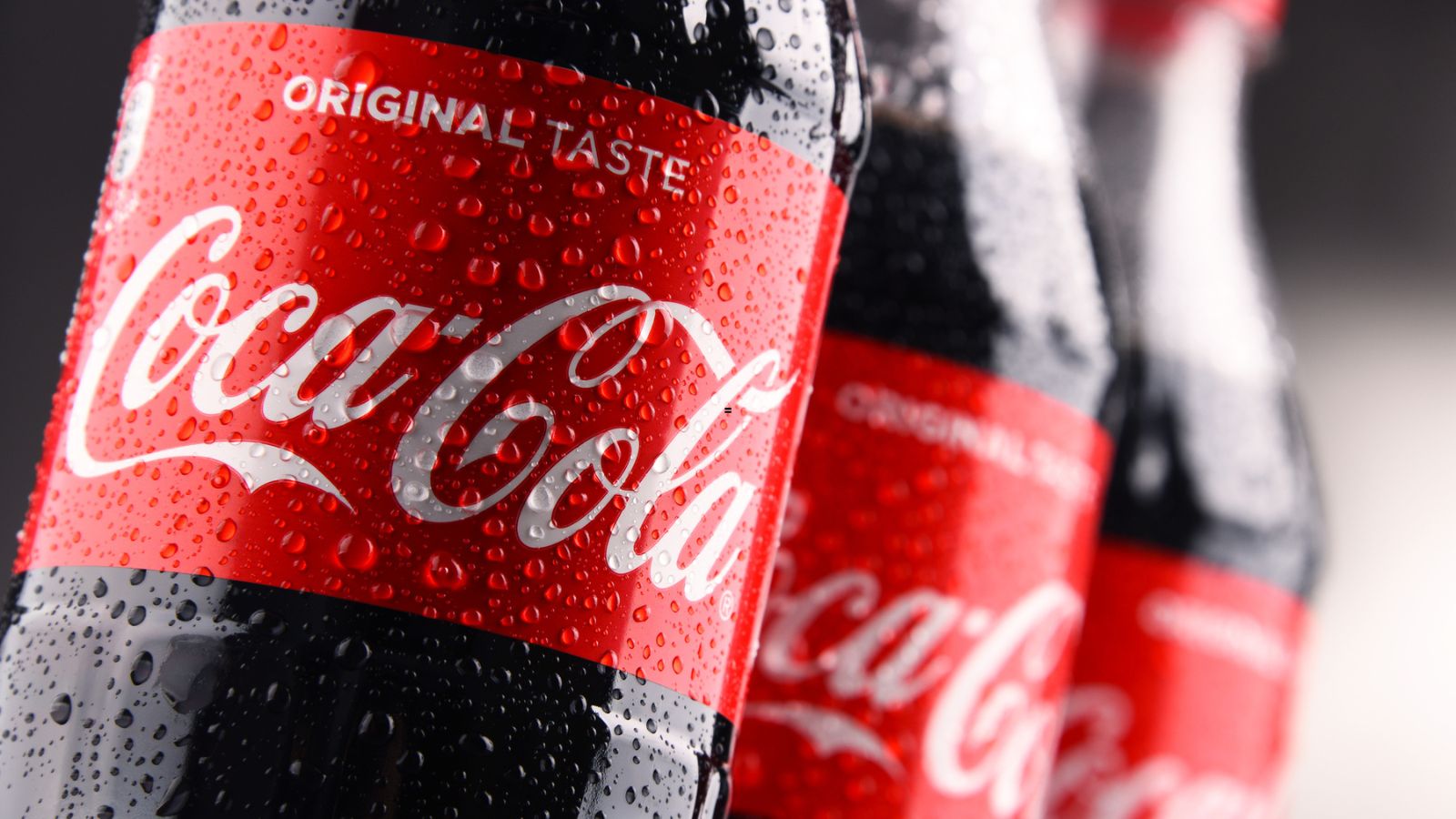
Soda was once sold almost exclusively in glass bottles. Coca-Cola’s contour bottle, introduced in 1915, became one of the most recognizable designs in the world. Many families returned empty bottles to the store for a small deposit.
Aluminum cans and plastic bottles gradually replaced glass, especially by the 1970s and 1980s. Today, glass soda bottles are often sold as nostalgic or premium products, such as Mexican Coca-Cola made with cane sugar. Many people say soda tastes better from a glass bottle, and collectors still seek out vintage bottles from local bottlers.
4. Mayonnaise
Mayonnaise was traditionally sold in glass jars, and brands like Hellmann’s and Duke’s were staples in many kitchens. The jars were often reused for storing leftovers, canning or holding small items like buttons and nails. Some families kept a collection of mayo jars in the pantry.
In recent decades, many mayonnaise brands switched to plastic jars and squeeze bottles. Plastic is lighter and less likely to break, which makes it easier to ship and use. Still, some people prefer the glass jars and miss the old style. A few brands continue to offer mayonnaise in glass for those who want it.
5. Juice
Many juices, from apple to grape to orange, were once sold in glass bottles. Families often bought large glass jugs of apple juice or small bottles of grape juice for lunches. Some brands also sold juice in glass with metal caps that popped when opened.
Plastic bottles and cardboard cartons have largely replaced glass for juice. They are cheaper to produce and lighter to transport. However, some premium and organic juice brands still use glass to give their products a fresh and high-quality image. Many shoppers associate glass juice bottles with old-fashioned grocery shopping.
6. Salad Dressing
Bottled salad dressing used to come almost exclusively in glass. Brands like Wish-Bone and Kraft sold Italian, French and Thousand Island dressings in glass bottles that sat on refrigerator doors across the country. Many people remember shaking the bottle to mix the oil and vinegar.
Today, most salad dressings come in plastic bottles, although some specialty brands still use glass. Plastic bottles are easier to squeeze and less likely to break if dropped. Still, many people enjoy the look and feel of glass bottles, especially for homemade dressings.
7. Syrup
Pancake syrup and maple syrup often came in glass bottles, sometimes shaped in fun ways. Mrs. Butterworth’s syrup was famous for its glass bottle shaped like a friendly grandmother, introduced in the 1960s. Many families kept these bottles long after the syrup was gone.
Mrs. Butterworth’s and other brands eventually switched to plastic bottles. Pure maple syrup is still often sold in glass, especially from small producers in New England and Canada. Many people say syrup in a glass bottle feels more special and old-fashioned, perfect for weekend breakfasts.
8. Peanut Butter
Peanut butter was commonly sold in glass jars for much of the 20th century. Families often reused these jars as drinking glasses or for storing leftovers. Some brands even designed their jars to be used as glasses once they were empty.
Today, most peanut butter comes in plastic jars, which are lighter and safer if dropped. Some natural and specialty brands still use glass. Many people who grew up with glass peanut butter jars remember drinking milk from them after the peanut butter was gone, a habit that showed how families made the most of everything.
Why Glass Gave Way to Plastic
The move from glass to plastic was driven by practical reasons. Plastic is lighter, which makes shipping cheaper. It is also less likely to break, which reduces waste and injuries. Plastic containers can be shaped more easily, allowing for squeeze bottles and other convenient designs.
However, many people miss glass for its look, feel and reusability. Glass does not absorb flavors or odors and can be recycled repeatedly. In recent years, some consumers have begun choosing glass again for environmental reasons. Many families also miss the grocery items and packaging that defined shopping trips in decades past.
Nostalgia in a Bottle
For many older Americans, glass bottles and jars are tied to memories of childhood kitchens and family meals. The clink of milk bottles on the porch or the struggle to get ketchup out of a glass bottle are moments many people still remember fondly.
Today, vintage glass bottles and jars are popular collectibles. People display them in kitchens, use them for decorating or hunt for them at flea markets. Even as plastic dominates grocery shelves, glass remains a symbol of an earlier era of grocery shopping and home cooking.