7 Types of Flour and Meal Grandma Used That Stores Rarely Stock
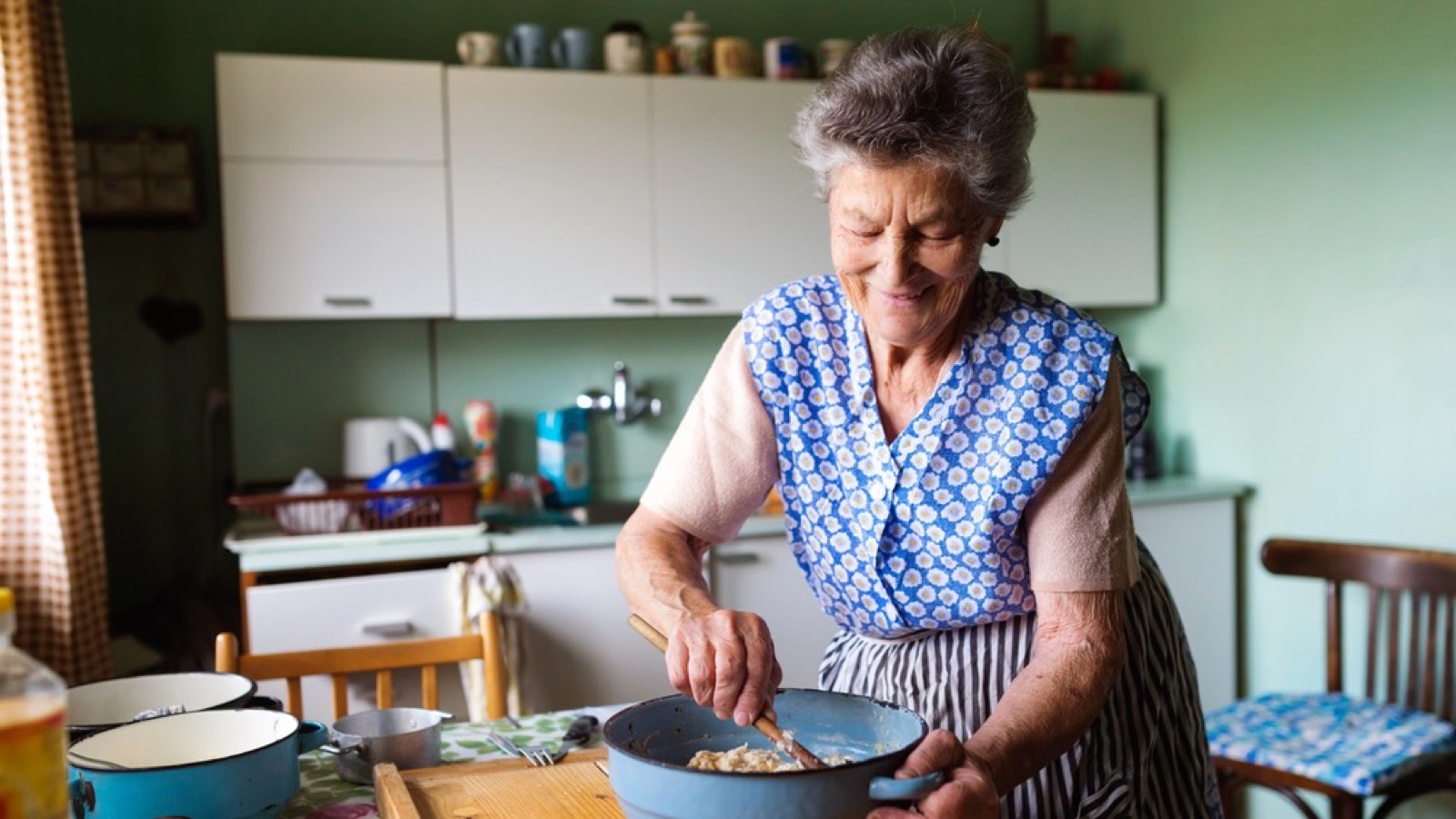
Grandma’s pantry looked a lot different from most kitchens today. Instead of one bag of all-purpose flour, she might have had three or four kinds of flour and meal tucked into tins and canisters. Each one had a job, from the biscuits she made every morning to the cornbread that went with Sunday supper.
Many of those ingredients came from local mills or general stores, and some were so common that nobody thought twice about them. Over time, as baking habits changed and grocery stores trimmed their shelves, many of them became harder to find. Today, some can only be bought online, at specialty shops or directly from small mills.
If you’ve ever tried to recreate one of Grandma’s recipes and couldn’t find the right flour, you’re not alone. Here are the types of flour and meal Grandma used that stores rarely stock today, and what made each one special.
1. White Cornmeal
In much of the South, white cornmeal was the only cornmeal worth using. Many Southern cooks insisted that real cornbread was made with white meal, while yellow cornmeal was more common in the North. Grandma might have bought hers stone-ground from a local mill, with a coarse texture that gave cornbread a hearty bite.
Most grocery stores today carry yellow cornmeal and maybe one brand of white, often finely ground. True stone-ground white cornmeal, with its nutty flavor, is much harder to come by. Small mills like the ones that still grind corn the old way, often using stone mills, sell it online, and people who grew up on it say there’s no substitute.
2. Graham Flour
Graham flour is a coarse whole wheat flour named after Sylvester Graham, a 19th-century preacher who promoted it. It was the original ingredient in graham crackers and showed up in old recipes for graham bread, muffins and pie crusts. Grandma might have used it to make homemade crackers or a hearty breakfast bread.
Today, most graham crackers are made with regular flour, and true graham flour has nearly vanished from grocery shelves. A few specialty brands still sell it, and some bakers use a mix of whole wheat flour and wheat bran as a substitute. For anyone following an old family recipe, finding the real thing can take some searching.
3. Buckwheat Flour
Buckwheat pancakes were once a winter breakfast staple in many parts of the country, especially in Appalachia and the Northeast. Grandma might have kept a crock of buckwheat batter going, adding to it each day like a sourdough starter. The pancakes were dark, earthy and filling, perfect with a pat of butter and some syrup.
Despite its name, buckwheat isn’t related to wheat at all. It’s a seed, and it has a strong, distinctive flavor. Buckwheat flour fell out of fashion as lighter pancake mixes took over, and many stores now carry it only in health food sections. Some old-timers still make buckwheat cakes every year, keeping the tradition alive.
4. Self-Rising Soft Wheat Flour
Southern biscuit makers swore by self-rising flour made from soft winter wheat. It was lower in protein than many other flours, which helped make biscuits tender and fluffy. Brands like White Lily became legendary among Southern cooks, and many grandmothers wouldn’t make biscuits with anything else.
Self-rising flour is still sold, but in many parts of the country, especially outside the South, it can be hard to find. Even when it’s available, it may not be made from the same soft wheat. Many people who grew up on Grandma’s biscuits say they’ve never been able to recreate them with regular all-purpose flour. You can read more about how self-rising flour works, but the real secret was often the wheat itself.
5. Rye Meal and Pumpernickel Flour
In many immigrant families, especially those with German, Polish or Scandinavian roots, rye was a basic baking ingredient. Grandma might have used dark rye meal or coarse pumpernickel flour to make dense, flavorful breads that lasted for days. These breads were often served with butter, cheese or smoked meats.
Most grocery stores today carry, at most, one type of light rye flour. Dark rye meal and true pumpernickel flour are much harder to find, though some specialty baking companies still sell them. For families who grew up with the smell of baking rye bread, it’s a taste of heritage that’s slowly disappearing from home kitchens.
6. Hominy Grits and Hominy Meal
Grits made from hominy, corn that has been treated with an alkaline solution, were a breakfast staple in many Southern homes. Grandma might have bought them in bulk or ground them from dried hominy. Hominy meal could also be used for cornbread or fried mush, giving dishes a slightly different flavor from regular cornmeal.
Most stores today carry quick or instant grits, but true stone-ground hominy grits are harder to find. Many brands use regular corn instead of hominy. People who know the difference often order their grits from small mills in the South, where traditional methods are still used.
7. Oat Flour Ground at Home
Grandma didn’t always buy oat flour. Sometimes she made it herself by grinding rolled oats in a hand mill or later in a blender. She used it in cookies, quick breads and as a thickener for soups and gravies. It added a tender texture and mild, nutty flavor.
Oat flour can be found today, but often only in specialty sections or in small, expensive bags. Many people don’t realize how easy it was to make at home. For anyone curious about old-fashioned baking, it’s a simple way to bring a little of Grandma’s kitchen back to life.
Why Grandma’s Flours Disappeared
Several changes explain why so many of these flours faded away. Fewer people bake from scratch every day, so stores focus on the best-selling items like all-purpose and bread flour. Large milling companies also replaced many small local mills, and regional favorites didn’t always survive the change.
Packaged mixes played a role too. Boxed pancake mix, cornbread mix and biscuit mix made it easy to skip specialty flours altogether. Over time, recipes that called for graham flour or buckwheat simply got pushed to the back of the recipe box.
Bringing Them Back Into Your Kitchen
The good news is that many of these flours are still available if you know where to look. Small mills, farmers markets and online retailers often carry heritage grains and traditional meals. Some home bakers even grind their own flour, just as earlier generations did.
If you find a recipe card in Grandma’s handwriting that calls for an ingredient you’ve never seen, don’t give up. A little searching can often turn up exactly what she used. Old family recipes, like the 1980s Thanksgiving dishes and the ones from generations before, taste best when they’re made the way they were meant to be, with the same humble flours that filled Grandma’s canisters.