8 Foods Farm Wives Cooked for the Harvest Crew
On American farms, harvest season was the busiest and most exhausting time of the year. Wheat, corn, oats and hay all had to come in before the weather turned, and that meant long days in the fields for every able-bodied person. Neighbors helped neighbors, and threshing crews moved from farm to farm across the countryside.
Someone had to feed all those hungry workers, and that job fell to the farm wives. Mothers, grandmothers, daughters and neighbor women cooked from before dawn until after dark, turning out enormous meals for crews that could number a dozen men or more. A good harvest dinner was a point of pride, and women often tried to outdo each other from farm to farm.
Many people who grew up on farms in the 1940s, 1950s and 1960s still remember those meals as some of the best food they ever ate. Here are the foods farm wives cooked for the harvest crew.
1. Fried Chicken
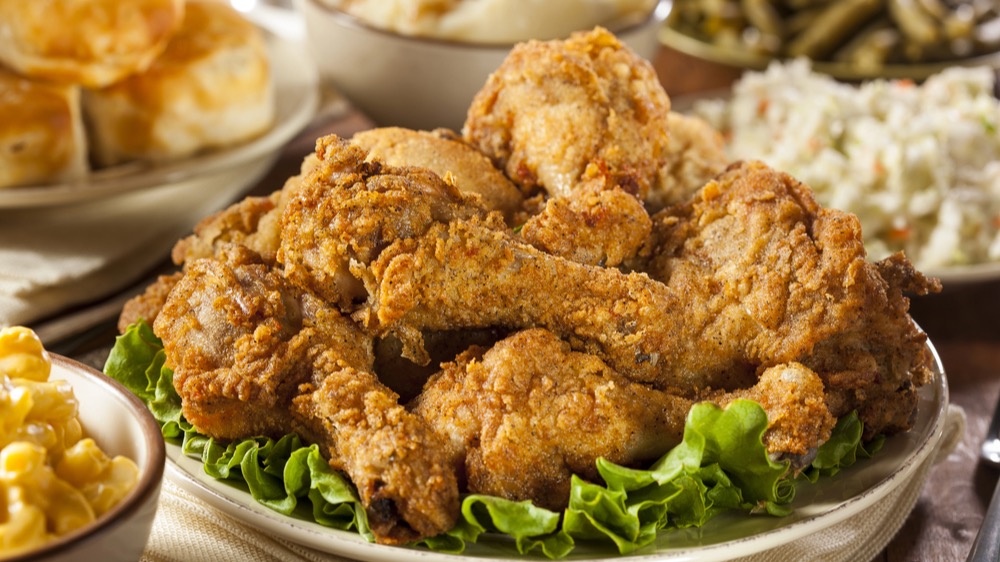
Fried chicken was the crown jewel of the harvest dinner. Farm wives often butchered their own chickens that morning, then dredged the pieces in flour and fried them in lard in big cast iron skillets. Platters of golden chicken were piled high in the center of the table.
Many women who grew up on farms remember helping their mothers prepare the chickens, a messy job that started early. By noon, the kitchen was hot, the windows were steamed and the smell of frying chicken drifted out to the fields. Hungry men could smell dinner long before they reached the house.
2. Roast Beef and Gravy
Big roasts of beef, slow-cooked until tender, were another harvest favorite. The meat was sliced thick and served with rich brown gravy made from the pan drippings. Mashed potatoes and gravy went together on every plate.
On large threshing days, some farm wives cooked more than one meat, serving both chicken and beef so there was plenty for everyone. The threshing crews were famous for their appetites, and running out of food was considered a disgrace.
3. Mountains of Mashed Potatoes
No harvest meal was complete without mashed potatoes, and lots of them. Farm wives peeled potatoes by the bucketful, often with help from daughters and neighbors sitting on the back porch. The potatoes were boiled, mashed by hand with butter and milk and piled into big bowls.
Potatoes were cheap, filling and often grown right on the farm. Some families kept a cellar full of them through the winter. On harvest days, a single family might go through a whole bushel.
4. Homemade Bread and Rolls
Fresh bread and rolls were baked early in the morning, sometimes before the sun came up. Farm wives made big batches of white bread, dinner rolls and sometimes cinnamon rolls for the mid-morning break. The bread was served with fresh butter, often churned on the farm.
Many women say baking for the harvest crew taught them to make bread without measuring. They knew by feel when the dough was ready. Leftover bread was used for sandwiches the next day or turned into bread pudding.
5. Garden Vegetables
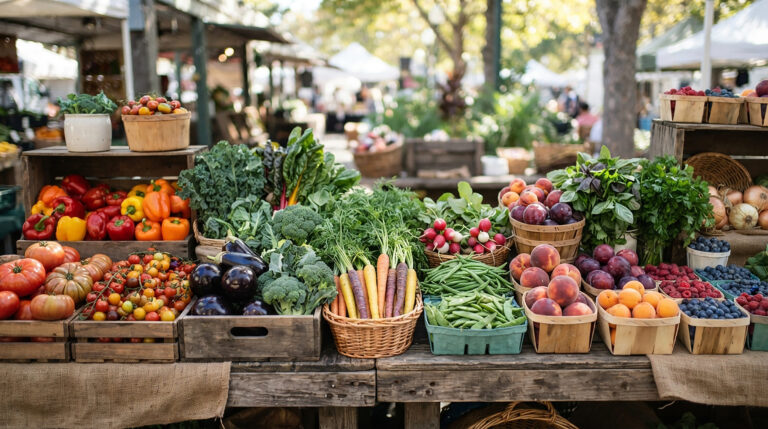
Harvest season meant the garden was full, and farm wives served whatever was ripe. Green beans cooked with bacon or ham, sweet corn on the cob, sliced tomatoes, cucumbers in vinegar and creamed peas were all common. Some families served pickled beets and coleslaw too.
Vegetables were fresh from the garden that morning, and many women had been canning for weeks. Jars of pickles, relishes and preserves came out of the cellar to round out the meal. It was farm-to-table long before anyone used the phrase.
6. Baked Beans and Casseroles
Big pans of baked beans, flavored with molasses, brown sugar and salt pork, were easy to make ahead and stretched to feed a crowd. Scalloped potatoes, macaroni and cheese and noodle casseroles also showed up on many harvest tables.
These dishes could sit in a warm oven while the women finished the rest of the meal. They were hearty, cheap and loved by hungry workers. Many families still make the same baked bean recipes their grandmothers used. The beans often tasted even better the next day, warmed up for the crew’s field lunch.
7. Pies, Cakes and Cookies
Dessert was taken seriously at harvest time. Farm wives baked pies by the half dozen, often apple, cherry, rhubarb, peach or whatever fruit was in season. Sheet cakes, gingerbread and big jars of cookies were also common.
Some women baked pies the day before and stored them in the cellar or pie safe to stay cool. Men often had a second slice before heading back to the fields. Many grandchildren remember sneaking cookies from the jar while the grown-ups were busy. Some farm wives kept a separate, hidden tin just for family so the crew wouldn’t finish everything.
8. Lunch in the Field and Afternoon Coffee
Harvest crews didn’t just eat one big meal. Many farm families served a mid-morning and mid-afternoon “lunch” brought out to the fields in baskets. Sandwiches, cookies, cake and big jugs of coffee or lemonade gave the workers a break and kept their energy up.
In much of the Midwest, the big noon meal was called dinner, and the evening meal was supper. The small meals in between were called lunch. Children often had the job of carrying the baskets and water jugs out to the field, a task many of them looked forward to.
A Tradition of Hard Work and Community
Feeding a harvest crew was hard, hot work. Farm wives often cooked on wood stoves in the heat of summer, without air conditioning, for days at a time. Many said they were just as tired as the men in the fields by the end of harvest.
But the meals also built a strong sense of community. Neighbors shared work, food and stories, and children grew up learning the value of helping one another. Many families still remember which farm wife made the best pie or the crispiest fried chicken.
Modern combines have made harvest crews much smaller, and few farm wives cook for a dozen men anymore. But many families keep the old recipes alive at Sunday dinners and holidays, where harvest-table favorites still sit beside the classic side dishes every family expects. For people who grew up on farms, the taste of fried chicken and homemade pie will always bring back memories of harvest time.