‘Out of Control’: Farmers and Environmentalists Clash Over Gray Wolves as Trump Weighs Major Protection Changes
A chilling wolf howl might sound like the perfect soundtrack to a wilderness adventure. But for some American farmers, that sound is anything but relaxing. It can mean another sleepless night worrying about cattle, sheep, and thousands of dollars in potential losses.
Now, gray wolves are at the center of a heated national debate, with farmers demanding stronger livestock protections and environmentalists warning that weakening wildlife protections could undo decades of conservation efforts.
President Donald Trump’s administration is approaching a December 3, 2026, deadline to review whether gray wolves and Mexican wolves meet federal recovery standards. The outcome could set the stage for major changes in how these predators are managed.
But here’s the catch: Not everyone agrees that America’s wolves are becoming a bigger problem.
Minnesota Farmer Says Wolves Are Becoming a Serious Problem
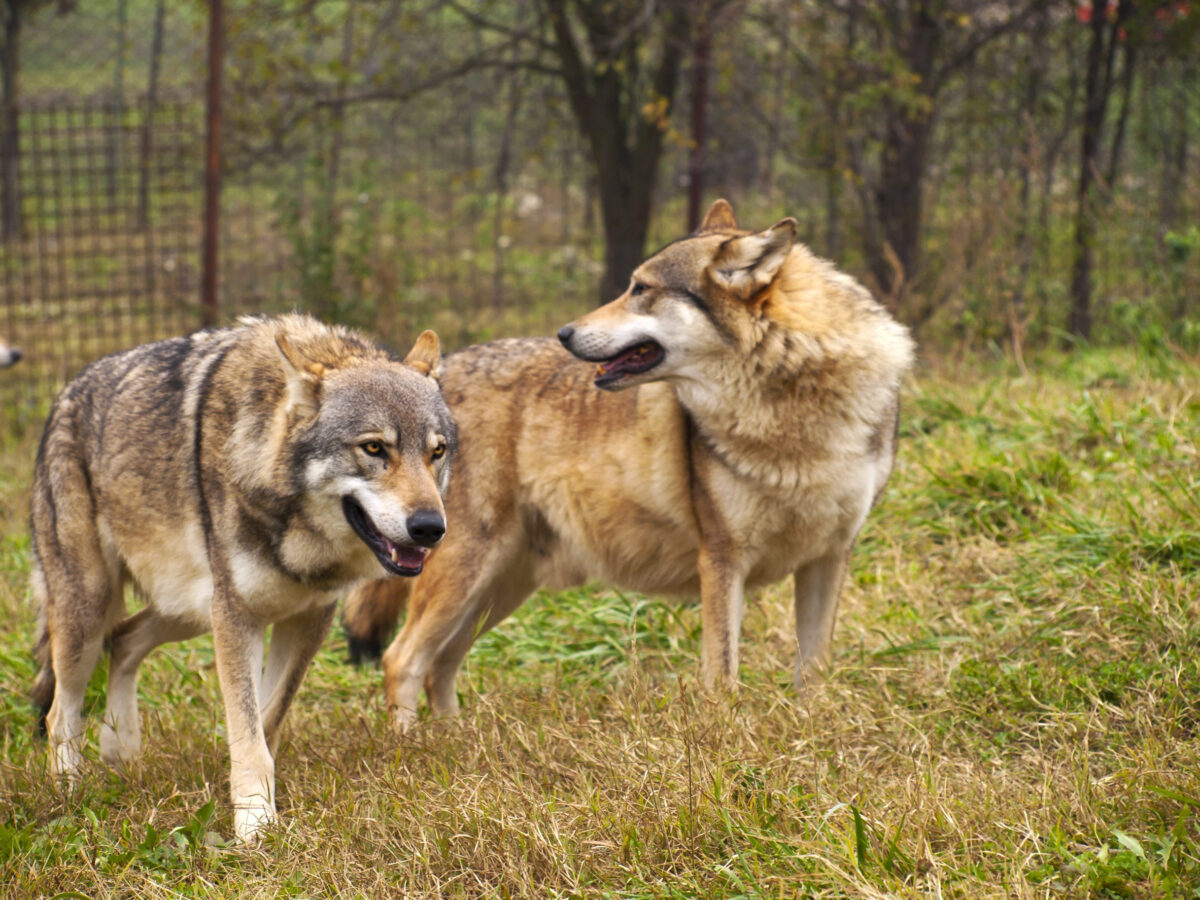
For Minnesota cattle farmer Shayne Isane, wolves are more than an occasional wildlife sighting.
According to a November 22 report on the farmers’ concerns, Isane has spent nearly four decades farming and manages approximately 300 cattle.
He says wolf attacks have taken a financial toll on his operation, including an incident in which three young calves were reportedly killed in one night.
Losing cattle isn’t cheap, either. Isane estimates that losing a single animal can cost around $3,000.
Worse, he says wolves sometimes carry away carcasses, leaving farmers struggling to prove what happened.
That matters because compensation programs generally require evidence that wolves caused the losses.
Isane also believes wolf encounters have become considerably more common during his lifetime. However, his reported losses and observations have not been independently confirmed through publicly available wildlife agency records.
Trump’s December Deadline Could Change Wolf Protections
On September 4, 2026, Trump signed an executive order titled Supporting America’s Ranchers.
The order directs the Interior Department to determine within 90 days whether gray wolves and Mexican wolves have met the recovery criteria needed to reduce or remove protections under the Endangered Species Act.
That deadline falls on December 3.
If federal officials determine that the recovery standards have been satisfied, they must begin the process of removing or reducing protections.
However, the order does not automatically remove protections, and a final decision on the animals’ legal status has not been announced.
The administration is also considering changes to how authorities respond to wolf attacks on livestock, including whether targeted removal should become easier in certain circumstances.
For farmers who believe existing rules leave them powerless, those changes could be significant.
But Are Wolf Populations Really Exploding?
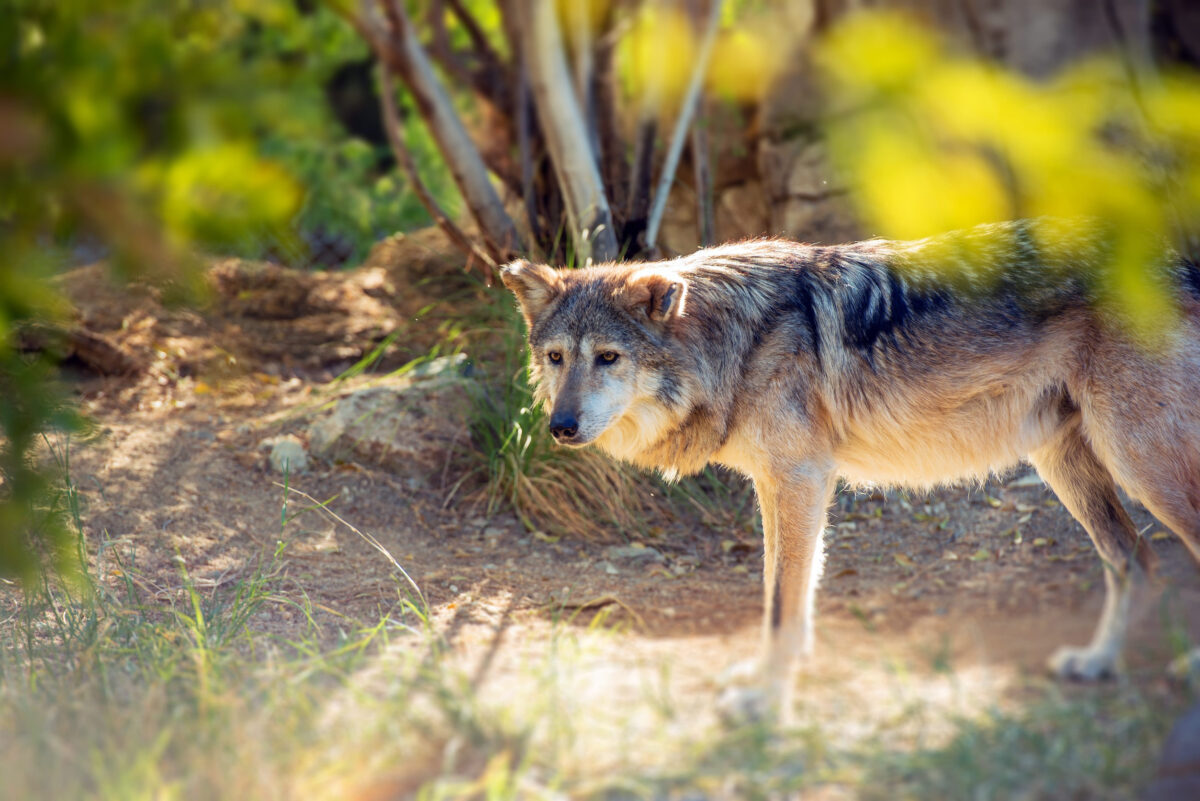
This is where the argument gets interesting.
Although some farmers report seeing more wolves, official population estimates paint a more complicated picture.
According to Minnesota wildlife officials, the state’s estimated wolf population in 2026 was approximately 2,431 animals, with an uncertainty range of 425 wolves.
Researchers also estimated roughly 460 wolf packs statewide.
More importantly, the Minnesota Department of Natural Resources describes the population as relatively stable rather than experiencing uncontrolled growth.
Outdoor News+1
That doesn’t mean individual farmers aren’t experiencing serious problems.
Wolf numbers can remain steady statewide while encounters increase in particular communities.
Still, the distinction matters. A farmer seeing more wolves around their property isn’t necessarily evidence that the entire state’s population is rapidly increasing.
And that difference is central to the growing debate over federal protections.
Environmentalists Fear Decades of Progress Could Be Lost
Wildlife conservation groups see the issue differently.
Organizations such as the Center for Biological Diversity and Defenders of Wildlife argue that removing federal protections could expose wolves to increased hunting, trapping, and killing.
They also warn that wolf attacks represent only a small share of overall livestock losses, although one widely cited claim putting the figure below 1% was not independently verified in the available research.
Conservationists believe that better prevention methods, rather than widespread killing, should be the priority.
Their concerns extend beyond individual wolf populations. They worry that removing protections too quickly could undermine recovery efforts in regions where wolves remain uncommon.
One Michigan Farmer Says Fencing Made a Difference
Interestingly, not every farmer believes killing wolves is the best answer.
Michigan farmer Jonathan Miller, who raises approximately 100 cattle, has experienced livestock losses from wolves but says electric fencing has helped protect his animals.
In a November 20 NPR report, Miller described using electric fencing after losing calves and sheep.
He still supports stronger wildlife management, but he doesn’t want wolves eliminated.
His experience raises an important question: Could simple prevention measures help farmers and wolves coexist?
University of Wisconsin-Madison researcher Adrian Treves has also questioned whether killing wolves consistently reduces livestock attacks.
He told NPR that research found increased losses on neighboring farms after wolves were killed at a particular farm.
91.9 FM WUOT, Your Public Radio Station
That suggests lethal control may sometimes create unexpected problems, although outcomes can vary.
Compensation Doesn’t Always Solve the Problem
Minnesota operates a compensation program for livestock losses attributed to wolves.
However, farmers must report suspected attacks to an authorized investigator within 48 hours of discovering the damage.
The Minnesota Department of Agriculture explains that claims require investigation and evidence supporting wolf involvement.
For farmers whose animals disappear without a trace, getting compensation can be particularly difficult.
Even when payments are available, they don’t eliminate the time, worry, and extra work of protecting livestock.
What Happens Next?
All eyes are now on December 3.
The Interior Department must determine whether the wolves meet federal recovery criteria. If officials find those standards have been satisfied, the administration could begin changing their protected status.
But the deadline is for a determination, not an immediate nationwide removal of protections.
For now, the debate remains unresolved.
Farmers want to protect the animals that support their livelihoods. Conservationists want to protect predators that have spent decades recovering from historic declines.
And somewhere between those competing priorities lies the difficult question facing federal officials: How can America protect its livestock without sacrificing its wildlife?
Whatever happens next, one thing is clear. The future of gray wolves is about much more than howling in the wilderness. It’s about balancing conservation, farming, and the people who share the landscape with these powerful predators.