Who Really Makes Walmart’s Great Value Bread? The Answer May Surprise You
The next time you grab a loaf of Great Value bread at Walmart, you might wonder who’s actually baking it. After all, Walmart isn’t exactly known for operating neighborhood bakeries, yet its shelves are filled with affordable sandwich bread, hamburger buns, and other baked goods.
Here’s where things get interesting. Some Great Value bread products have been made by the same major companies responsible for familiar brands you probably recognize. One of those companies is Bimbo Bakeries USA, the manufacturer behind Sara Lee bread.
But before assuming you’re getting Sara Lee bread in a cheaper bag, there’s an important detail worth understanding. Walmart has worked with multiple bread manufacturers, and sharing a bakery doesn’t necessarily mean sharing the exact same recipe.
The story behind Great Value bread reveals how grocery store brands operate and why shoppers might be paying different prices for products made by familiar manufacturers.
The Surprising Connection Between Great Value and Sara Lee
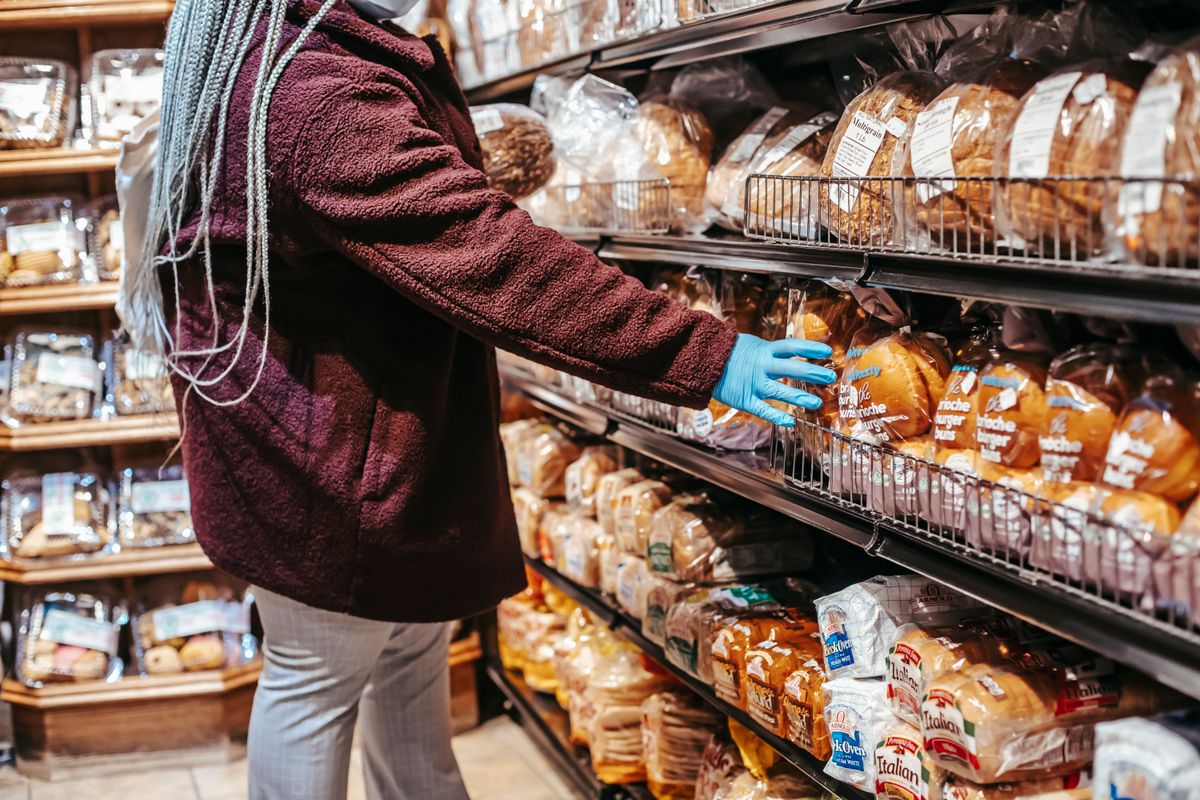
One of the clearest connections between Walmart’s Great Value bread and a major name-brand manufacturer came to light in August 2015.
That month, Bimbo Bakeries USA announced a voluntary regional recall involving several bread brands, including Sara Lee, Great Value, Kroger, Nature’s Harvest, and L’Oven Fresh.
The recall notice identified two Walmart products: Great Value 100% Whole Wheat Roundtop Bread in a 16-ounce package and Great Value 100% Whole Wheat Bread in a 20-ounce package.
Interestingly, these products carried the same bakery code, 1658, as several Sara Lee breads included in the announcement.
That detail matters because it establishes a documented connection between the products and the bakery responsible for making them.
According to the official Bimbo Bakeries recall announcement, the affected products were associated with an incident at one of the company’s bakeries.
The notice provides historical evidence that certain Great Value and Sara Lee breads came from the same facility.
However, it does not establish that every Great Value loaf was made by Bimbo Bakeries or that the same supplier arrangement continues nationwide today.
Another Bakery Has Also Made Great Value Bread
The Sara Lee connection is only part of the story. Separate records from the U.S. Food and Drug Administration identify Lewis Bakeries as another manufacturer associated with Walmart’s Great Value bread.
According to an FDA enforcement record, Lewis Bakeries in Evansville was connected to several Great Value products in a recall initiated in November 2013. These included white sandwich bread, round-top white bread, and Texas toast.
Another FDA record identified Lewis Bakeries in connection with Great Value Honey Wheat Bread. The same manufacturer’s recall records also included products associated with Bunny, Holsum, and Sunbeam.
This offers a useful reminder that a grocery store brand doesn’t necessarily rely on one bakery to produce its entire bread selection.
Different varieties, package sizes, and regional supply arrangements may involve different manufacturers.
And while these records identify historical suppliers, they do not confirm which company makes every Great Value loaf currently sold at Walmart.
The Connection Extends to Hamburger and Hot Dog Buns
Sliced sandwich bread isn’t the only Great Value product with ties to established baking companies.
Flowers Foods, another major American bakery company, has also produced certain Great Value products.
In July 2019, Flowers Foods issued a voluntary recall involving hamburger buns, hot dog buns, and other bakery products.
The company’s announcement listed Great Value hamburger buns, whole-wheat hamburger buns, and hot dog buns alongside products from brands such as Nature’s Own and Wonder.
These records help explain why the answer to who makes Great Value bread isn’t as simple as naming one company.
Walmart’s private-label assortment has documented connections to several established manufacturers, depending on the product.
The historical recalls are useful for identifying supplier relationships, not for suggesting that products currently on shelves are affected by those past incidents.
Does That Mean Great Value and Sara Lee Bread Are Identical?
This is where the popular idea of getting name-brand groceries for store-brand prices needs a little clarification.
Two products coming from the same manufacturer doesn’t automatically mean they’re identical. A bakery can produce different recipes, package sizes, and product specifications for different customers.
Consider the ingredient lists for Great Value White Sandwich Bread and Sara Lee Classic White Bread.
Both retailer listings include enriched wheat flour, sugar, soybean oil, and several other common baking ingredients. However, the listed formulas aren’t identical.
For example, the reviewed Great Value white bread listing identifies calcium propionate as a preservative, while the Sara Lee listing includes calcium propionate and sorbic acid.
The Sara Lee listing also identifies additional enrichment ingredients not shown in the Great Value listing.
These differences demonstrate why a shared manufacturer should not be mistaken for proof of an identical product.
As Consumer Reports explains, manufacturers sometimes produce national-brand and private-label products using different specifications.
Why Is Great Value Bread Usually Cheaper?
The most obvious attraction of Great Value products is their affordable pricing. But how significant can the difference be?
In one online price comparison documented on November 23, 2026, Walmart listed a 20-ounce loaf of Great Value White Sandwich Bread for $1.42. A comparable 20-ounce Sara Lee Classic White Bread listing showed $2.82. That’s a difference of $1.40 per loaf, or approximately 49.6%. These were online price snapshots with different or unverified store locations, so they shouldn’t be treated as a nationwide price comparison.
Still, they illustrate why shoppers might consider private-label bread. Part of the pricing difference can be explained by how store brands operate. According to Consumer Reports, private-label products can benefit from lower marketing expenses and large production volumes.
Rather than investing heavily in building a separate national brand identity, retailers can sell products under their established store labels. That doesn’t mean every dollar of savings comes from advertising, but it helps explain the business model.
How Walmart’s Great Value Brand Actually Works
Great Value is Walmart’s private brand, not the name of a single manufacturing company. Walmart works with outside suppliers that produce various products sold under its store label.
This arrangement allows the retailer to offer everything from pantry staples to household essentials without operating every manufacturing facility itself.
In a 2009 announcement about its Great Value brand, Walmart described working with several hundred suppliers during a major product overhaul.
The company reported evaluating thousands of products and making changes to hundreds of formulas.
Those figures describe the historical initiative, not Walmart’s current supplier count. Nevertheless, they illustrate how large and varied a private-label operation can be.
For shoppers, this means the familiar Great Value packaging doesn’t necessarily reveal the manufacturer behind each individual product.
What Should Shoppers Look for Before Buying?
Finding out that a store-brand product has a connection to a familiar manufacturer can be interesting, but it shouldn’t be the only reason to choose one loaf over another. Start by comparing the actual products. Look at package size, ingredient lists, price per ounce, and the type of bread you’re buying.
A 20-ounce loaf and a larger family-size package might have very different value propositions, even when their shelf prices look similar. Also, remember that manufacturers and product formulations can change over time.
The most reliable way to compare two loaves is to examine their current packaging rather than assume a historical manufacturing connection still applies.
The Bottom Line
Walmart’s Great Value bread has documented connections to some of America’s recognizable baking companies, including Bimbo Bakeries USA, Lewis Bakeries, and Flowers Foods.
The surprising part isn’t simply that familiar manufacturers have supplied store-brand bread. It’s that different Great Value products have come from different companies.
So, while certain Great Value and Sara Lee breads have shared a bakery, that doesn’t mean every loaf is identical or made by the same company today.
For shoppers, the smartest approach remains simple: compare the bread, check the price, and choose what works best for your household.