When One Dog Dies, the Other May Change: 10 Behaviors Owners Should Understand
For households with more than one dog, losing a beloved pet can change the atmosphere of the entire home. The surviving dog may continue visiting familiar sleeping spots, sniffing around the other dog’s favorite places, or waiting near the door as if expecting a familiar companion to return.
Dogs cannot explain what they are experiencing, but their behavior sometimes changes noticeably after another animal in the household dies.
Some owners report that their surviving dogs become quieter, lose interest in activities, or spend more time seeking attention. Others notice changes in sleeping patterns, appetite, and everyday routines.
Research published in Scientific Reports in 2022 examined behavioral changes in dogs after the death of another dog in the household. The findings suggested that surviving dogs can display changes consistent with grief-like responses, although researchers acknowledged that owners’ emotional reactions and changes in household routines may also influence the animals.
Here are 10 behaviors a dog may display after losing another dog in the household.
Searching Around the House
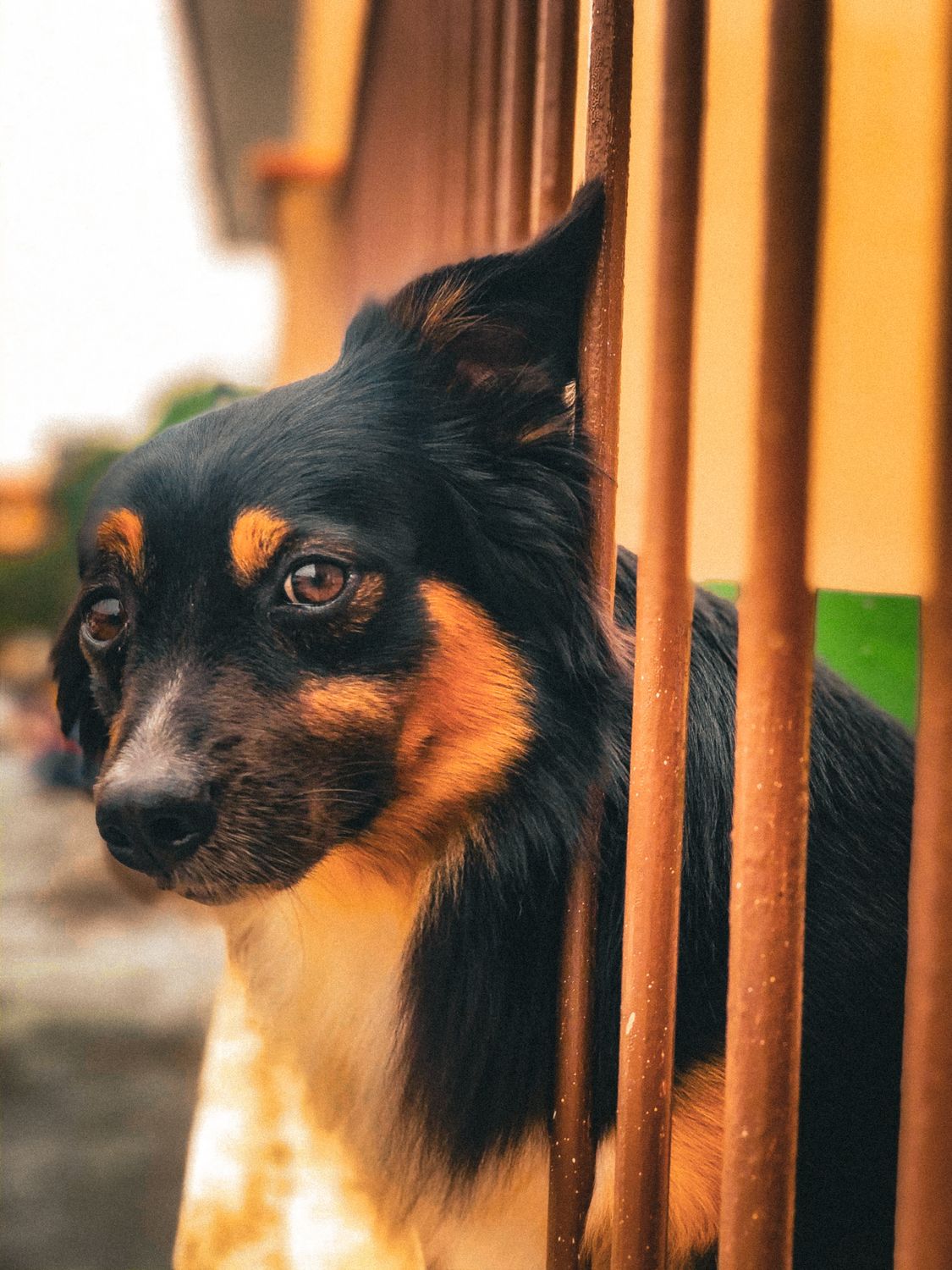
One behavior owners sometimes notice is a surviving dog repeatedly visiting places where its companion used to spend time.
It might investigate the other dog’s bed, check familiar corners, or walk around rooms where the two animals regularly played together.
This behavior may reflect a response to the sudden absence of a familiar animal.
Dogs rely heavily on their senses, particularly smell, and familiar scents can remain in the home after another pet has died.
Related: 5 Pet Care Trends Taking Over in 2026
Becoming Less Interested in Playing
A dog that previously enjoyed chasing toys, running around the garden, or playing with another household pet may become less enthusiastic about these activities.
The change can be especially noticeable when the two dogs regularly played together.
Some surviving dogs gradually return to their usual activities, while others take longer to regain their interest.
Owners should avoid forcing playtime and instead offer gentle opportunities for exercise and interaction.
Sleeping More Than Usual
Changes in sleeping patterns are another possible response to losing a companion.
A surviving dog may spend more time resting, particularly if its previous routine involved playing or interacting with the other animal throughout the day.
Some dogs also begin sleeping in places where their companion once rested.
However, excessive sleeping can also indicate an underlying health problem, so persistent changes should not automatically be attributed to grief.
Eating Less or Showing Less Interest in Food
Some dogs change their appetite after losing another animal in the household.
A dog that previously ate alongside its companion may become less enthusiastic about mealtimes.
Others may show less interest in treats or take longer to finish their food.
Owners should monitor these changes carefully.
A dog that refuses food, particularly alongside other symptoms such as vomiting, weakness, or unusual behavior, should be assessed by a veterinarian.
Related: The Best 8 Guard Dog Breeds for Family Homes
Becoming More Attached to Its Owner
A surviving dog may suddenly want more attention from the people in the household.
It might follow its owner from room to room, sit closer than usual, or seek additional physical contact.
This can happen because the dog’s familiar social environment has changed.
If another dog previously provided companionship throughout the day, its absence may make the surviving animal more dependent on human interaction.
Reassure the dog and maintain a predictable routine.
Whining or Vocalizing More Frequently
Some dogs become more vocal after another household pet dies.
They may whine, bark, or make other sounds more often than before.
Owners might notice this behavior when the surviving dog enters a familiar room or approaches a place where the other animal used to rest.
Vocalization can have several explanations, including anxiety, frustration, attention-seeking, and changes in routine.
Therefore, consider the circumstances rather than assume every sound expresses grief.
Becoming Less Social
A normally friendly dog may temporarily lose interest in interacting with people or other animals.
It might spend more time resting alone, avoid familiar play activities, or show less enthusiasm when visitors arrive.
These changes can be difficult for owners to watch, particularly when the surviving dog was previously very energetic.
Giving the animal space while continuing gentle interaction can be helpful.
If withdrawal becomes persistent or is accompanied by physical symptoms, seek veterinary advice.
Looking for the Other Dog During Familiar Routines
Dogs often develop predictable household routines.
They may eat together, wait near the door together, or follow one another around the house.
After one dog dies, the surviving animal may continue approaching those familiar locations at the usual times.
For example, a dog that regularly went outside with its companion might still wait near the door around the same time each morning.
These behaviors may gradually change as the surviving dog adjusts to a different household routine.
Becoming More Restless or Anxious
Not every dog responds to the loss of a companion by becoming quieter.
Some become noticeably more restless.
They may pace around the house, struggle to settle down, follow family members more closely, or react differently when left alone.
Changes in household routines and the absence of a familiar companion may contribute to these behaviors.
Keeping feeding times, walks, and bedtime routines consistent can provide familiarity during the adjustment period.
Gradually Returning to Normal Behavior
One encouraging possibility is that the surviving dog eventually begins returning to its familiar routines.
It may start playing again, show more interest in food, become more sociable, and spend less time visiting the other dog’s favorite places.
There is no universal timetable for this adjustment.
Some dogs show relatively brief behavioral changes, while others may take considerably longer.
Owners should avoid rushing the process or assuming that a dog has forgotten its companion simply because it has started behaving normally again.
How Can You Help a Dog After Losing Its Companion?
Losing another household pet can change a dog’s familiar environment, so maintaining stability is important.
Keep feeding times, walking schedules, and sleeping arrangements as consistent as possible.
Offer attention without overwhelming the animal, and introduce enjoyable activities gradually.
Also monitor appetite, energy levels, sleep, and general behavior.
If the dog stops eating, becomes unusually withdrawn, or develops persistent behavioral changes, consult a veterinarian. Physical illness can sometimes produce symptoms that resemble emotional distress.
Most importantly, avoid assuming that getting another dog immediately will solve the problem. Introduce a new companion only after considering the surviving dog’s temperament, needs, and readiness.
Related: 7 Stunning Animals Considered the Most Beautiful in the World
The Bond Between Two Household Dogs Can Leave a Noticeable Absence
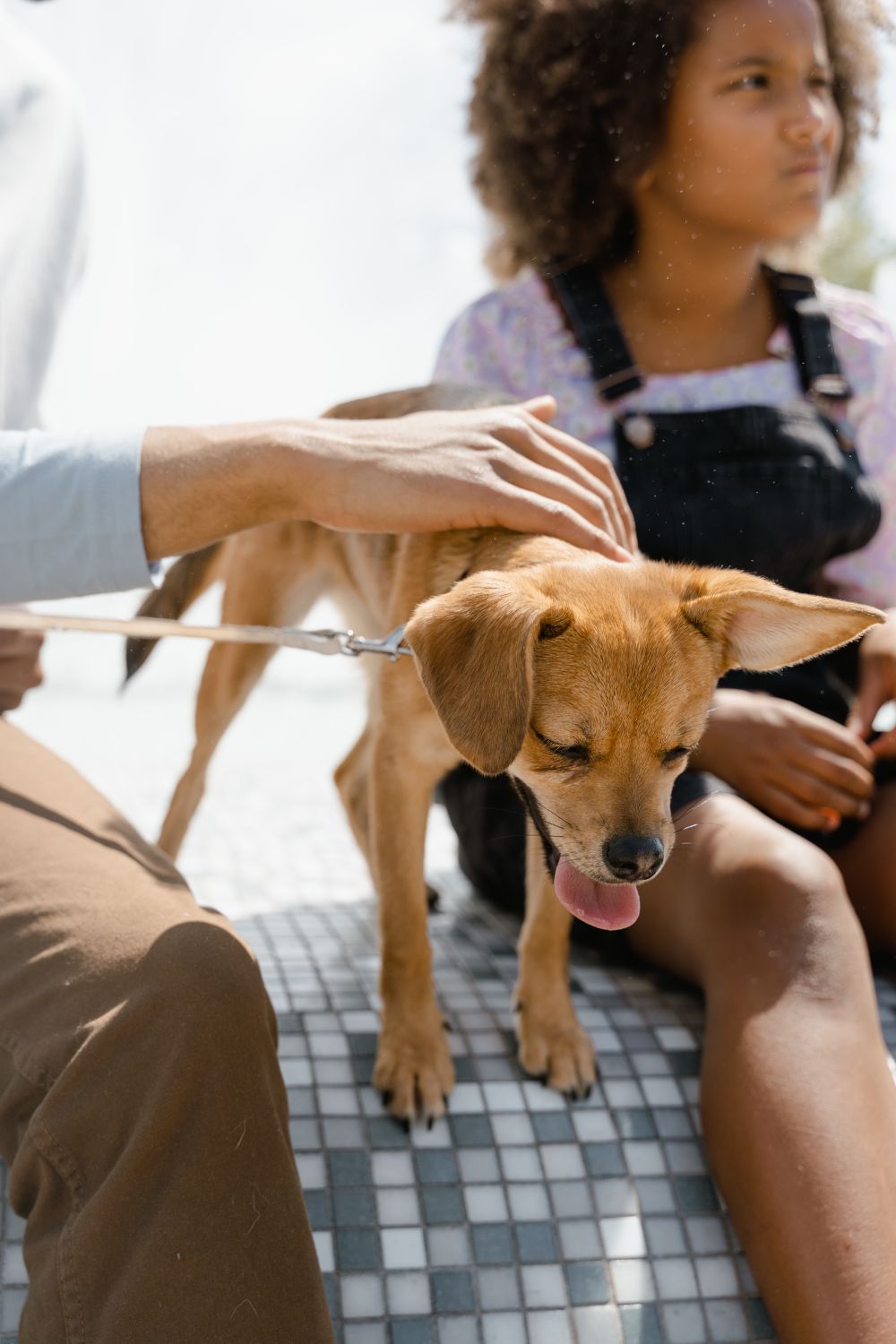
Dogs share more than living spaces. They develop routines, recognize familiar scents, and often become accustomed to having the same animals around them every day.
When one disappears from that environment, the surviving dog may respond in ways that owners find difficult to understand.
Although scientists cannot establish exactly what every dog experiences emotionally, research suggests that behavioral changes following the loss of another household dog are worth taking seriously.
Sometimes, the most helpful thing an owner can provide is patience, familiarity, and a little extra attention.
Has your surviving dog ever behaved differently after another family pet died? What changes did you notice, and how long did it take for things to return to normal?