15 Toys Only Rich Kids Had Growing Up in the 1980s and 1990s
Every neighborhood seemed to have that one child whose house felt like a toy store. While other kids waited for birthdays or Christmas for a new toy, this lucky child seemed to have everything. A video game console sat in the living room, an enormous dollhouse in the bedroom, and sometimes even a miniature electric car in the driveway.
Growing up in the 1980s and 1990s, children quickly learned that not every family had the same spending power. Some toys were affordable enough to become household favorites, while others were expensive purchases that many parents simply could not justify.
Sometimes, the real luxury wasn’t owning the toy itself, but having every accessory, expansion set, and additional game that came with it. These were 15 toys that often made other children wish their families had a little more money.
Power Wheels Electric Cars
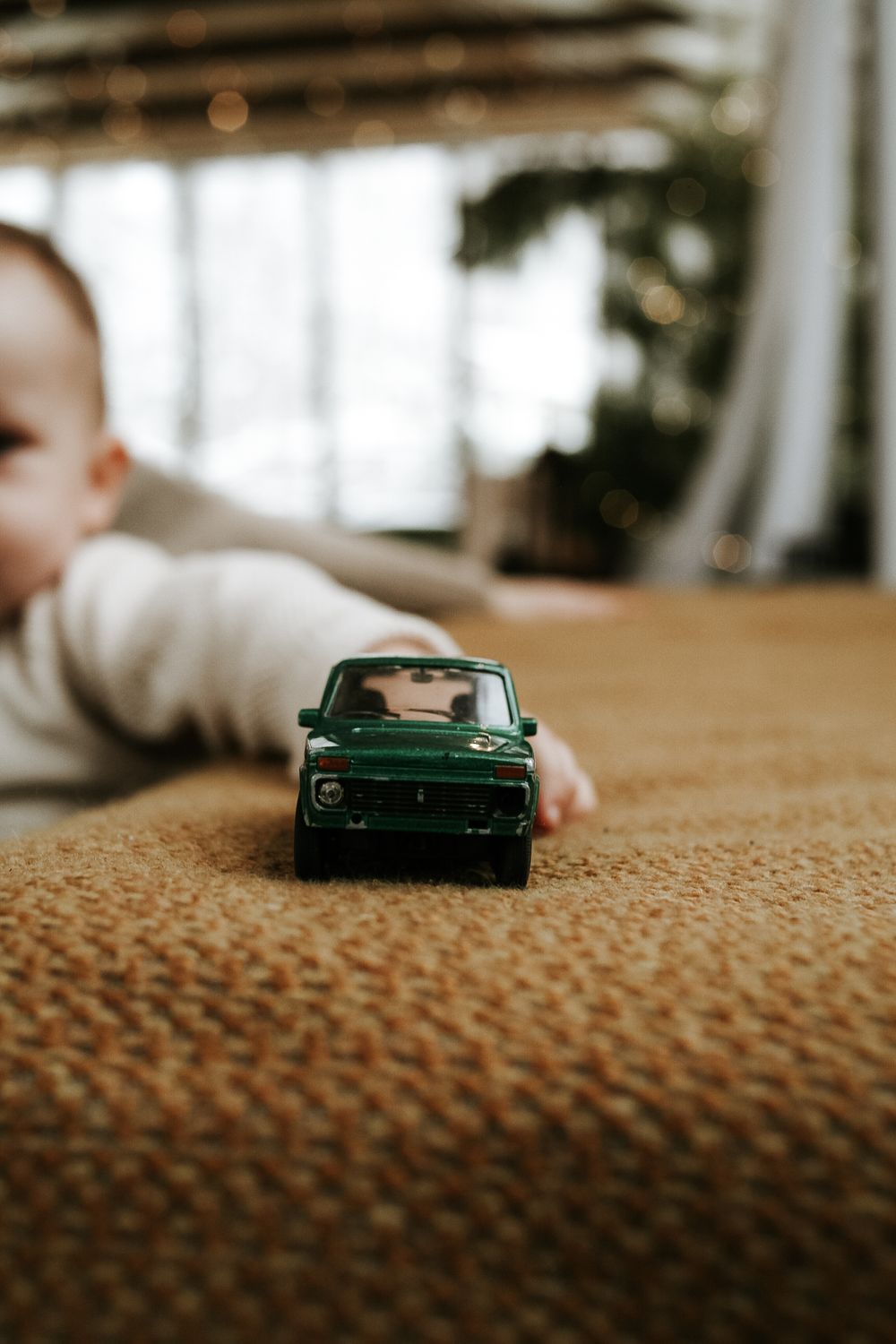
Few childhood toys made a bigger impression than a child-sized electric car. Power Wheels allowed children to drive miniature versions of Jeeps, trucks, and other vehicles around their driveways and backyards.
Introduced during the 1980s, these battery-powered vehicles offered something ordinary pedal cars could not. Children could actually press a pedal and drive themselves around without relying on their parents to push them.
They were not inexpensive purchases, especially when compared with traditional toys. Some children had to settle for watching their neighborhood friends drive around in miniature vehicles while imagining what it would feel like to have one of their own.
Related: 8 harsh realities of poverty that the rich simply don’t understand
The Barbie Dreamhouse With All the Accessories
A Barbie doll was one thing. An enormous Barbie Dreamhouse, complete with furniture, kitchen accessories, bedrooms, and additional dolls, was something entirely different.
The Dreamhouse gave children an entire miniature world to play with. They could arrange furniture, decorate rooms, and create elaborate stories involving Barbie and her friends.
The house itself could already be a substantial purchase for some families. Adding multiple dolls, vehicles, wardrobes, and furniture sets made the experience considerably more expensive.
For many children, visiting a friend who owned the complete Barbie setup was almost as exciting as receiving one themselves.
American Girl Dolls and Their Expensive Wardrobes
When the American Girl collection launched in 1986, it introduced something different from the ordinary dolls many children already owned.
The dolls came with historical backgrounds, accompanying books, and distinctive outfits. Children could learn about characters from different periods while collecting clothes and accessories that matched their stories.
However, the original doll was only the beginning. Additional outfits, furniture, accessories, and complete collections could make the hobby expensive.
Some families purchased entire collections, turning a single doll into an elaborate display of historical costumes and miniature household items.
For children who could only admire the catalog, owning one of these dolls was already a dream.
The Nintendo Entertainment System
The Nintendo Entertainment System became one of the defining gaming consoles of the 1980s.
For children who grew up during that period, having an NES at home meant having access to an entirely different kind of entertainment. Games such as Super Mario Bros. and The Legend of Zelda could keep children occupied for hours.
But the console was only part of the expense. Additional controllers, cartridges, and other accessories cost more.
The child who owned several games had a particular advantage because friends could visit and choose what to play.
For many families, however, buying a video game console was a major purchase rather than an ordinary toy-store shopping decision.
Teddy Ruxpin
Teddy Ruxpin was not an ordinary stuffed animal. Introduced in 1985, this talking bear could move his mouth and eyes while telling stories through an internal cassette player.
Children placed special story tapes inside the bear and watched as he appeared to speak along with the recordings.
The technology made him feel remarkably advanced for the time. He combined the familiarity of a stuffed animal with the excitement of an electronic entertainment device.
The additional story tapes also made ownership more expensive. Children who had several recordings could enjoy a much larger collection of stories.
For those who didn’t own one, seeing Teddy Ruxpin talk in a friend’s bedroom was an unforgettable experience.
Related: Reasons People Cut Off Friends and Family as They Age
A Personal Computer in Your Bedroom
In the 1980s, having a computer at home was still a relatively unusual experience for many families.
Systems such as the Commodore 64 introduced children to computer games, programming, and other digital activities. Some families also purchased additional equipment, including disk drives, printers, and monitors.
By the 1990s, home computers were becoming more familiar, but a dedicated computer in a child’s bedroom still represented a considerable household purchase.
Children with these machines could play games, experiment with educational software, and explore activities that were not available on ordinary television sets.
It was the kind of possession that made a bedroom look more like a futuristic entertainment center.
High-End Remote-Controlled Cars
Almost every child could appreciate a toy car, but serious remote-controlled vehicles were in another category.
The inexpensive versions available in ordinary stores differed greatly from the more sophisticated models sold through hobby shops.
Some high-end RC cars featured rechargeable batteries, stronger motors, replaceable parts, and more advanced controls. Enthusiasts could spend additional money upgrading and maintaining them.
The expensive models could move quickly across driveways, dirt paths, and open spaces.
Having one often meant becoming the center of attention whenever neighborhood children gathered outside.
Large LEGO Technic Sets
LEGO was already popular among children, but the larger Technic sets offered a different building experience.
Introduced in 1977, LEGO Technic used specialized pieces such as gears, axles, and connectors to create more complicated models.
Children could build cars, cranes, motorcycles, and other machines with moving components.
The larger sets contained many pieces and required patience to assemble. Some also included motors and additional mechanical features.
For families who could afford several large boxes, the possibilities were almost endless. Other children had to make do with smaller collections and whatever models they could construct from the available pieces.
A Nintendo Game Boy
When Nintendo released the original Game Boy in 1989, portable gaming became a new childhood attraction.
Unlike home consoles, the Game Boy allowed children to play games while traveling, visiting relatives, or sitting in the back of a car.
Its small monochrome screen and interchangeable cartridges made it particularly appealing.
The original system included Tetris in many markets, and additional games could be purchased separately.
Children who owned one didn’t have to wait until they got home to enjoy video games. They could carry their entertainment almost anywhere.
Of course, the additional games and batteries created ongoing expenses that some families preferred to avoid.
A Complete Slot-Car Racing Track
Slot-car racing sets let children compete with miniature electric cars that traveled along specially designed tracks.
The basic concept was simple: each player controlled a small car using a handheld controller, attempting to navigate the track without losing control.
However, the larger setups were considerably more impressive than the basic versions.
Some families had elaborate racing layouts with multiple cars, additional track sections, and accessories. These could take up significant space in a bedroom or basement.
Children who had a complete racing setup could invite friends over for competitions, making their homes popular weekend destinations.
Rollerblades
By the 1990s, inline skating had become a major recreational activity among children and teenagers.
Rollerblades became particularly desirable because they offered a different skating experience from traditional four-wheel roller skates.
A good pair of inline skates, along with protective equipment such as helmets and knee pads, could be a substantial purchase.
Some children also collected accessories and upgraded their equipment as they gained experience.
For those who could afford them, Rollerblades offered hours of outdoor entertainment. For others, watching friends glide down the sidewalk was part of growing up.
A Nintendo 64 With Multiple Games
The Nintendo 64 arrived in North America in 1996 and quickly became one of the decade’s most recognizable gaming systems.
Its four controller ports made multiplayer gaming particularly exciting. Friends could gather around one television and compete in games such as Mario Kart 64 and GoldenEye 007.
However, owning the console was only the beginning. Additional controllers and game cartridges increased the total cost.
Children with several games had more choices whenever friends visited.
For many households, purchasing an N64 was a major birthday or Christmas event. Having one in the living room could make a child particularly popular among neighborhood friends.
An American-Made BMX Bike From a Recognized Brand
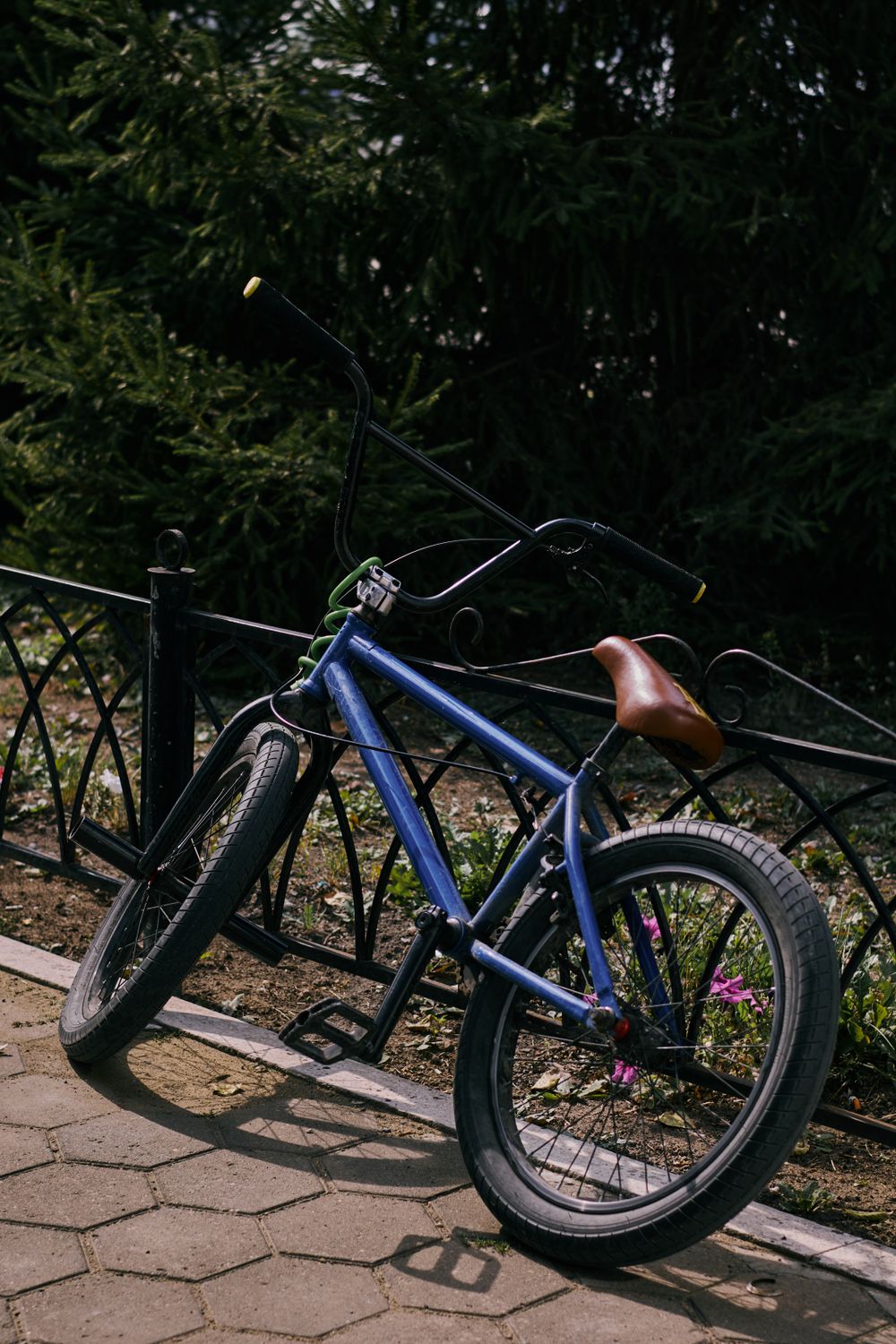
A bicycle was a common childhood possession, but not every bicycle generated the same excitement.
During the 1980s and 1990s, BMX bikes became particularly popular among children who enjoyed racing, jumping, and performing tricks.
Recognized brands such as Mongoose and Haro attracted attention because of their designs and association with BMX culture.
Higher-end models could be expensive, especially when parents also bought helmets, protective gear, and extra components.
For children who owned them, these bicycles were more than transportation. They were an important part of outdoor play and neighborhood adventures.
A Backyard Trampoline
A backyard trampoline was another childhood luxury many children remembered visiting at a friend’s house.
Unlike smaller toys that could be stored in a bedroom, a trampoline required outdoor space and a considerable household investment.
Children could spend entire afternoons jumping, playing games, and challenging one another to different moves.
The experience became even more appealing when the trampoline had a safety enclosure and enough room for several children to take turns.
For families without one, visiting the house with the trampoline often became a regular part of the summer routine.
A Complete Laser Tag Set
Laser tag introduced children to a different kind of outdoor and indoor play during the late 1980s and 1990s.
Instead of traditional toy guns, players used electronic equipment that registered infrared signals during games.
The experience involved chasing opponents, finding hiding places, and competing to score points.
Although smaller toy versions were available, having a complete set for several players was considerably more expensive.
Families who could afford multiple sets could organize games with siblings and neighborhood friends.
For children who grew up during this period, laser tag felt like stepping into a science-fiction movie.
Related: Things ’70s parents let their kids do that would raise eyebrows today
Growing Up With Less Was Not Always a Bad Thing
Looking back, the 1980s and 1990s were filled with toys that made childhood exciting in different ways. Some children had entire rooms dedicated to dolls, video games, and electronic gadgets, while others found just as much entertainment using bicycles, board games, and their imagination.
What made these expensive toys memorable was not necessarily their price. It was the excitement of seeing something you desperately wanted but could not always have.
Many people probably remember visiting a friend’s house simply because they owned a Nintendo console, had an impressive Barbie collection, or possessed a remote-controlled car.
Those childhood differences were sometimes hard to understand at the time, but they became part of the memories people now share when talking about growing up.
Which of these 15 toys did you wish you had as a child? And was there one kid in your neighborhood whose house everyone wanted to visit because of their toys?