Think Prison Food Is Bad? These 11 Strange Meals Reveal What Inmates Actually Eat Behind Bars
Most people imagine prison food as tasteless mashed potatoes, dry bread, watery vegetables, and unidentifiable meat served on plastic trays. While some institutional meals fit that description, eating behind bars can be far more unusual.
In American prisons and jails, meals are generally prepared in large quantities, served according to fixed schedules, and designed to meet institutional requirements while staying within limited budgets. But the official cafeteria menu is only part of the story.
Incarcerated people have developed their own ways of making food more interesting using instant noodles, crackers, packaged snacks, canned ingredients, and whatever else they can obtain through prison commissaries. Some of these creations are surprisingly elaborate, considering the limited equipment and ingredients available.
Others are institutional meals that have attracted attention for their unusual appearance, preparation, or purpose.
Here are 11 unusual meals that reveal what eating behind bars can really look like.
Nutraloaf: The Controversial Brick of Prison Food
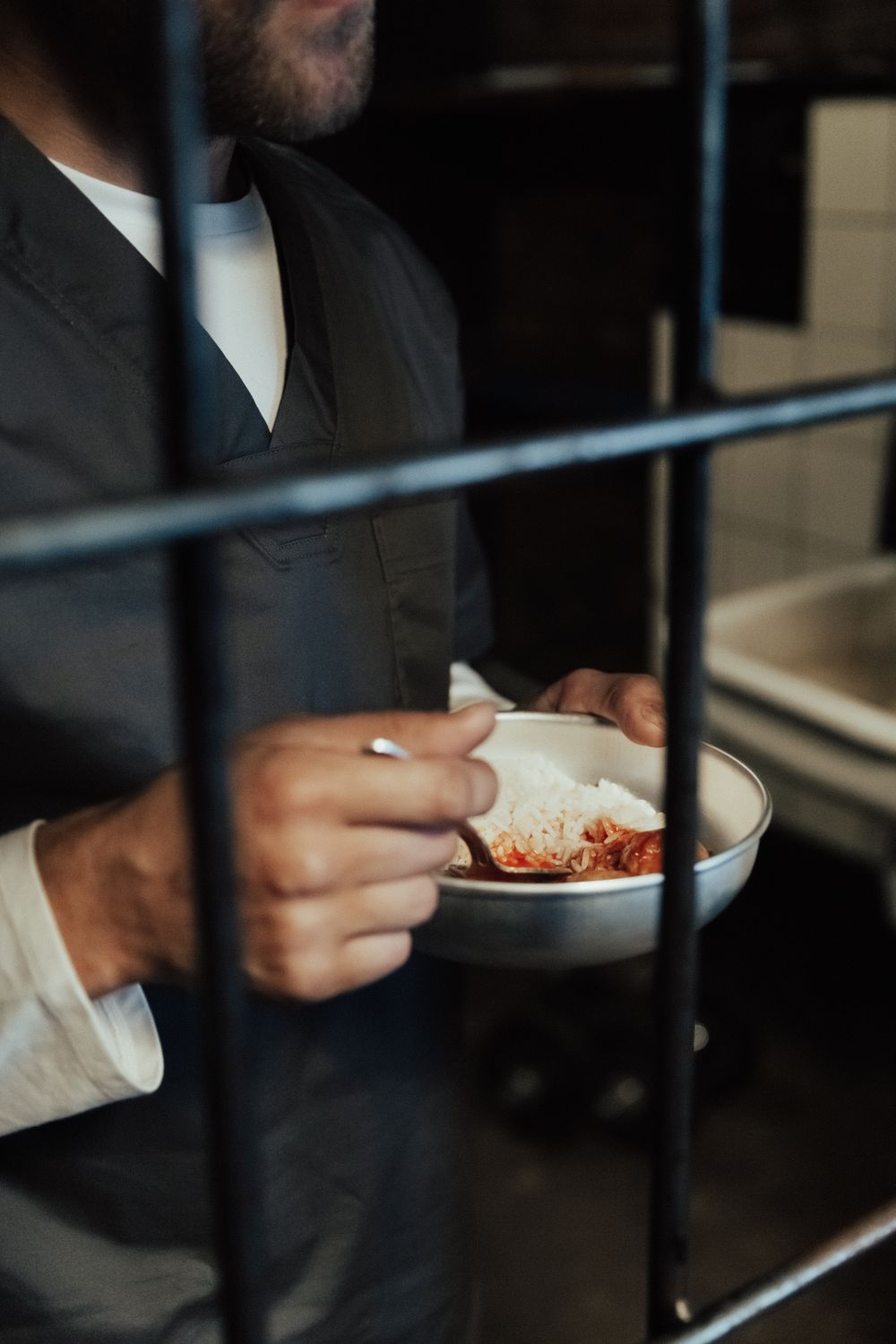
Few prison meals have attracted as much controversy as nutraloaf, sometimes called prison loaf or disciplinary loaf.
Unlike an ordinary meal served on a cafeteria tray, nutraloaf is made by combining ingredients such as vegetables, beans, bread, and meat before baking everything into one dense block.
Pennsylvania has documented a version called a behavior-modified meal, containing ingredients such as ground beef, cooked vegetables, bread crumbs, beans, cheese, and onions.
It is not an ordinary menu item. Certain correctional facilities have used variations of this meal as an alternative to regular food for incarcerated people involved in particular disciplinary or safety situations.
The practice has generated controversy over whether food should ever be used as a disciplinary measure. Its appearance alone makes it one of the most recognizable examples of unusual prison food.
Related: The Top 10 Most Delicious Fruits You Have to Try Now
Chi Chi: The Prison Kitchen Creation Made With Ramen and Snacks
Chi chi is one of the better-known examples of prison cooking ingenuity.
It is generally prepared with instant ramen noodles combined with ingredients purchased from the commissary or found in available food supplies.
Depending on the recipe, the mixture might include cheese curls, spicy chips, beef sticks, canned meat, and seasonings.
Combine the ingredients with hot water until they form a thick, filling mixture. Some versions resemble a chunky noodle stew, while others are pressed into a compact loaf.
The interesting part is that chi chi is not an official prison cafeteria meal. It is a homemade creation that lets incarcerated people experiment with flavors despite limited cooking equipment.
For many, preparing and sharing it also provides a social activity outside the regular institutional meal schedule.
Prison Pizza Made Without an Actual Pizza Oven
Imagine making pizza without a proper kitchen, pizza dough, or even a conventional oven.
That is exactly the challenge behind prison pizza.
In a 2025 account published by the Prison Journalism Project, writer Jeshua Noel described making pizza with fellow incarcerated people using crushed chips, ramen noodles, chili, and squeezable cheese.
They combined the crushed ingredients to make a makeshift crust. Chili and cheese became the sauce and topping layers, while pickles, jalapeños, summer sausage, and ranch dressing added extra flavor.
The resulting dish was prepared using the equipment available in the facility.
Other incarcerated cooks have developed different versions, including recipes using crackers, instant noodles, and packaged cheese.
It might not resemble a restaurant pizza, but the creativity involved is difficult to ignore.
The Prison Tamale Made With Flamin’ Hot Cheetos
Traditional tamales are usually made with masa, fillings, and corn husks or other wrappers.
Prison-style tamales can look very different.
The Prison Journalism Project documented a recipe from an incarcerated cook named Williams, who used two bags of Flamin’ Hot Cheetos and one bag of regular Fritos to replace the traditional corn-based mixture.
The result was an improvised version of a familiar comfort food made with ingredients available behind bars.
The idea might sound unusual to someone accustomed to traditional Mexican cooking, but it demonstrates how incarcerated people adapt familiar recipes to their circumstances.
Food is often connected to memories of family gatherings, childhood, and celebrations. Finding ways to recreate familiar dishes can therefore mean much more than simply preparing another meal.
Related: 10 Most Delicious Desserts Everyone Should Try
The Ramen Soup Sandwich
Instant noodles are among the most recognizable ingredients in prison cooking, but not everyone wants to eat them as ordinary soup.
One alternative documented in reporting by Prison Legal News is the ramen soup sandwich.
The preparation involves adding hot water to a package of noodles and allowing them to soften. After draining the excess water, the partially cooked noodle block can be divided into two sections.
Ingredients such as tuna, mackerel, pork rinds, chips, or condiments are then placed between the sections.
The result resembles a sandwich, but the bread is replaced with noodles.
It shows how a familiar commissary product can be transformed into something completely different with very little equipment.
Sweet-and-Sour Pork Rinds
This is one of the more surprising recipes associated with prison cooking.
A recipe described in Prison Legal News uses pork rinds as the main ingredient, combining them with a sauce made from ingredients such as cherry Kool-Aid mix, tomato or vegetable juice, ketchup, sugar, and seasoning.
The combination is intended to recreate the sweet-and-sour flavor associated with familiar restaurant dishes.
The ingredients might seem incompatible at first, particularly the sweet drink powder and savory pork rinds.
However, improvisation is part of the appeal of prison cooking. When conventional ingredients are unavailable, people experiment with whatever they can obtain.
It is certainly not a traditional sweet-and-sour pork recipe, but it illustrates the lengths some incarcerated cooks go to recreate familiar flavors.
Prison Menudo Made Without Traditional Ingredients
Menudo is a traditional Mexican soup commonly associated with beef tripe and a flavorful chili-based broth.
Recreating it behind bars is a clear challenge because many traditional ingredients and cooking methods are unavailable.
A prison recipe documented by VICE takes a different approach, using ingredients such as pork rinds, chili-lime-flavored Corn Nuts, and packaged tortillas.
The result is an improvised interpretation rather than traditional menudo.
What makes this dish interesting is the effort to recreate a familiar cultural food using limited commissary supplies.
For someone who misses meals prepared at home, even an unconventional substitute can bring back memories of family traditions and familiar flavors.
The Prison Burrito Made With Instant Rice and Beans
Burritos are another familiar food that incarcerated cooks have found ways to recreate.
VICE documented prison recipes for beans and rice made with improvised equipment and limited supplies.
Some cooks use packaged instant rice, beans, tortillas, and available seasonings to assemble their own versions of the popular dish.
Preparation requires creativity because ordinary kitchen equipment is not always available in a prison housing unit.
Some recipes rely on hot water and insulated containers to soften or cook ingredients. Others use equipment permitted by particular facilities.
The result is a makeshift burrito that provides a change from the regular cafeteria menu.
Prison Spread: The Meal That Can Contain Almost Anything
If one term captures the creativity of prison cooking, it is spread.
Spread is a general name for improvised meals assembled from different ingredients, usually with instant noodles or crushed snacks serving as the foundation.
Research published in the journal Gastronomica by anthropologist Sandra Cate examined this food tradition in San Francisco County jails.
Her research, based on interviews with incarcerated people, described how individuals combined ramen noodles with saved cafeteria ingredients and commissary purchases.
Possible additions included Cheetos, tuna, jalapeños, cheese products, meat snacks, and condiments.
There is no single universal recipe. The ingredients depend on what is available, what people can afford, and the preferences of those preparing the meal.
Spread is also frequently shared, making it more than just a way to satisfy hunger. It can become a social activity that brings people together.
Prison-Style Cheesecake and Other Makeshift Desserts
Not every unusual prison meal is savory.
Incarcerated cooks have also developed ways to prepare desserts using packaged snacks and commissary ingredients.
A collection of recipes from the book Convict Cookbook, discussed in the Seattle Post-Intelligencer, includes desserts named Behind These Bars, Celly S’mores, and Short-timer Cheesecake.
Other documented creations include combinations of peanut butter, honey, bananas, cookies, and candy.
The ingredients are assembled using whatever preparation methods are permitted and available.
These desserts show that prison cooking isn’t only about making filling meals. Sometimes, people simply want something sweet that reminds them of the treats they enjoyed before incarceration.
The Prison Ramen Taco
Tacos are another food that has inspired some unusual prison adaptations.
VICE documented an improvised taco recipe that uses chili-flavored Top Ramen seasoning to flavor refried beans and instant rice.
The combination is intended to recreate some of the familiar flavors associated with tacos, even without access to a conventional kitchen.
Depending on the available supplies, additional ingredients can include tortillas, packaged seasonings, and other commissary products.
It is a relatively simple creation, but it shows how incarcerated people use familiar foods as inspiration to make something different from the regular cafeteria offerings.
Related: The 10 Ultimate Comfort Foods
Why Prison Food Is More Complicated Than It Looks

These meals reveal two different sides of eating behind bars.
The first is the institutional food system, where correctional facilities must prepare large quantities of food according to budgets, security requirements, dietary needs, and established menus.
The second is the informal cooking culture developed by incarcerated people themselves.
For some, the cafeteria provides the majority of their meals. Others supplement those meals with commissary purchases or share homemade creations with fellow inmates.
The Minnesota Department of Corrections, for example, publishes menus showing a variety of meals, including breakfast options, sandwiches, meatloaf, burritos, vegetables, and desserts. This reminds us that prison food is not identical everywhere.
Ultimately, eating behind bars is about more than the food on a plastic tray. For many incarcerated people, finding ways to prepare familiar dishes offers a small sense of choice in an environment where almost every other aspect of daily life is controlled.
And sometimes, a bag of instant noodles and a handful of snacks can become something far more elaborate than anyone would expect.
Which of these prison meals surprised you the most? Would you be willing to try an improvised prison pizza or a bowl of chi chi?