9 States Where Turning On Your Wipers Means Your Headlights Must Be On Too
Winter driving brings rain, sleet and snow to much of the country, and with it comes a rule many drivers have never heard of. In a long list of states, the moment your windshield wipers go on because of the weather, your headlights are supposed to go on too.
It sounds simple, but plenty of drivers get it wrong. Some rely on daytime running lights and assume they are covered. Others only think about headlights at night. In states with these laws, failing to switch them on in bad weather can lead to a traffic stop and a ticket.
The idea behind the rule is visibility. Headlights don’t just help you see the road. They help other drivers see you through rain, spray and gray winter skies. Here are nine states where “wipers on, headlights on” is part of the law.
Why These Laws Exist
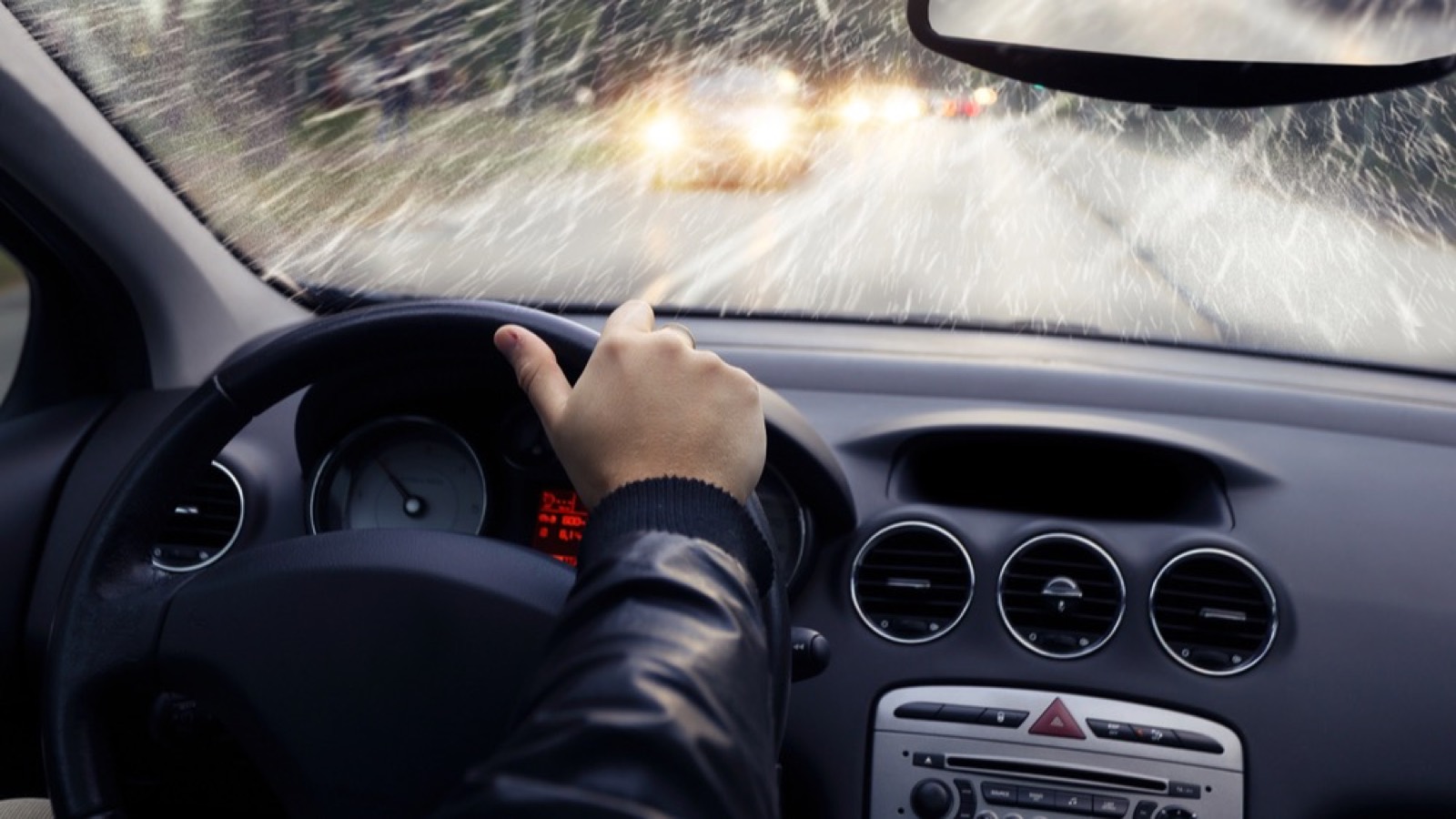
When it rains or snows, visibility drops quickly. A car without its headlights on can blend into a gray road and a gray sky, especially if it is a dark or silver color. Rear lights matter too, since many cars’ taillights don’t come on with daytime running lights alone.
According to a roundup by Jalopnik, 23 states have laws that require headlights when wipers are in use because of rain, sleet or snow. Many other states have broader rules that require headlights during “unfavorable atmospheric conditions” or when visibility is poor. The nine states below are among those with specific wiper laws.
1. California
California law requires drivers to turn on their headlights whenever their windshield wipers are in continuous use because of weather. The rule is part of the California Vehicle Code section 24400, which also requires headlights when visibility drops to about 1,000 feet or less.
California police departments often remind drivers of the rule during the rainy season. It applies whether it is day or night.
2. New York
New York is one of the strictest states on this issue. Drivers must turn on their headlights whenever they use their windshield wipers because of rain, snow or sleet. According to the Jalopnik report, daytime running lights alone are not enough in New York. Drivers need the same low beams they would use at night. That detail catches many drivers by surprise, since some newer cars appear to have their lights on during the day when only the running lights are lit.
3. Pennsylvania
Pennsylvania requires headlights whenever wipers are in continuous or intermittent use because of weather conditions. The rule also applies in posted work zones. Pennsylvania’s driver’s manual spells out the requirement clearly, and it is a common reminder during winter storm warnings. Because Pennsylvania includes intermittent wiper use, even a light drizzle can trigger the requirement.
4. New Jersey
New Jersey requires headlights to be on whenever windshield wipers are needed because of weather. The state’s rule covers rain, snow and fog, and it applies at any time of day. With heavy traffic and frequent winter storms, New Jersey officials often stress the rule as a simple way to reduce crashes.
5. Virginia
Virginia law requires drivers to use headlights when their wipers are on because of rain, snow, sleet or fog. Some sources note that brief or intermittent wiper use may not require headlights, but the safest approach is to switch them on any time visibility is reduced. Virginia also requires headlights from sunset to sunrise and whenever visibility is poor.
6. North Carolina
North Carolina is another state where wipers and headlights go together. When drivers need their wipers because of inclement weather, they are required to have their headlights on as well. The rule has been in place for years, and state safety campaigns often repeat the simple reminder: “Wipers on, lights on.”
7. Maryland
Maryland requires headlights when wipers are used continuously because of rain, snow or other weather. The state’s highway safety officials regularly remind drivers of the rule during the winter and spring rainy seasons. Maryland drivers who use only their running lights may still be considered in violation if their taillights are not on.
8. Louisiana
Louisiana’s law requires headlights whenever windshield wipers are in use because of weather. With heavy rains common across the state, the rule plays an important role in highway safety. Sudden downpours can reduce visibility in seconds, so drivers are encouraged to switch their lights on as soon as the rain begins.
9. Ohio
Ohio requires headlights whenever wipers are in use because of weather conditions. Ohio winters bring snow, sleet and freezing rain, and state officials say headlights are one of the easiest ways to stay visible. Like several other states, Ohio also requires headlights whenever visibility is too low to see clearly at a distance.
Other States With Similar Rules
Besides these nine, the Jalopnik list includes Alabama, Arkansas, Delaware, Illinois, Kansas, Kentucky, Maine, Massachusetts, Missouri, Nebraska, Oklahoma, Rhode Island, South Carolina and Tennessee. Many other states require headlights whenever weather makes visibility poor, even if they don’t mention wipers directly. Because laws can change and details vary, drivers should check their own state’s driver’s manual or department of motor vehicles website for the latest rules.
What About Daytime Running Lights?
Many newer cars have daytime running lights that turn on automatically. Drivers often assume these lights count as headlights, but in many cases they don’t. Daytime running lights are usually dimmer, and on many vehicles they don’t turn on the taillights at all.
That means a car can look like it has its lights on from the front while being nearly invisible from behind in heavy rain. Turning on the full headlights, or setting the switch to automatic if the car has that option, is the safest way to make sure both the front and rear lights are on.
A Simple Habit That Keeps You Safe
The easiest way to stay within the law in any state is to turn on your headlights every time you turn on your wipers. Some newer cars do this automatically, but many don’t, especially older models.
It takes just a second, and it can make a big difference in how easily other drivers see you. During the winter months, when storms roll in quickly and daylight is short, that one small habit could prevent a ticket, or something much worse.