According to State Pride Data, These Are the 9 States Americans Dislike the Most and Why the Rivalry Runs Deeper Than Jokes
America loves to roast itself by state. New Yorkers mock New Jersey. Californians get blamed for everything from politics to housing prices. Illinois residents complain about taxes before outsiders even get a chance. Every region has its favorite target, and every state has a comeback ready.
But rankings of America’s most disliked states are not only about jokes. They reveal something more personal. People are not just laughing at rival states. They are reacting to high costs, bad reputations, political frustration, shrinking populations, old stereotypes, and the feeling that home no longer gives them what it promised.
A widely cited Zippia ranking used resident complaints, population decline, and interstate dislike to identify the states Americans dislike most. The list placed Illinois first, followed by New Jersey, New York, West Virginia, California, Massachusetts, Michigan, Mississippi, and Connecticut. Gallup’s older state-pride polling also found that 25% of Illinois residents called their state the worst place to live, followed by 17% each in Rhode Island and Connecticut.
Illinois: When the Frustration Starts at Home
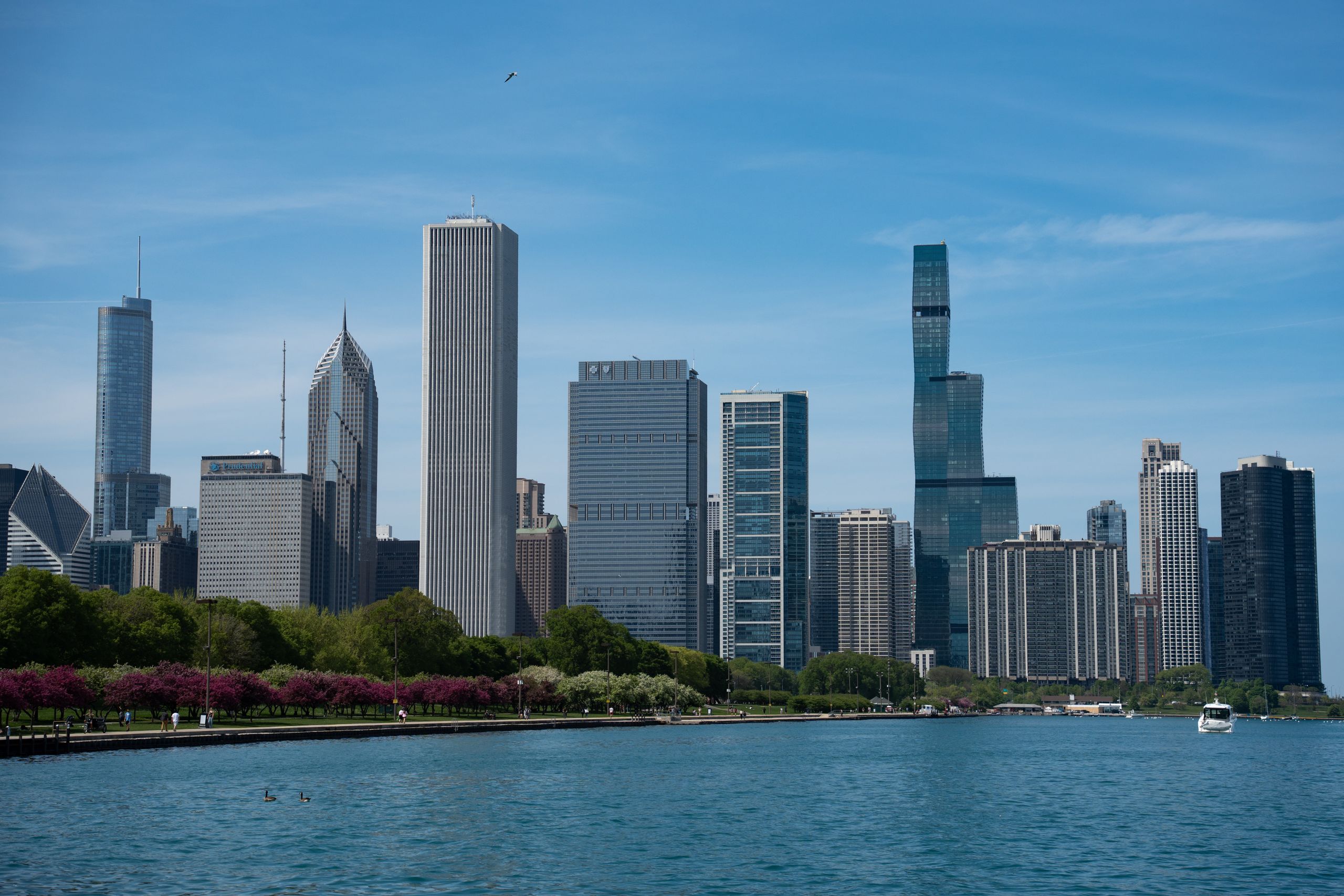
Illinois tops the list because its criticism comes as much from within as from outside. That makes the ranking sting more. It is one thing for rival states to complain. It is another when residents themselves sound exhausted.
The frustration is easy to understand. Illinois has Chicago, world-class culture, great food, major universities, and deep history. Yet many residents complain about taxes, corruption, cost of living, harsh winters, and political tension. For some, the state feels rich in identity but heavy in daily burden.
That is why Illinois becomes the clearest symbol of this list. People do not always dislike a state because it has nothing to offer. Sometimes they dislike it because they believe it should work better.
New Jersey: America’s Favorite Punchline
New Jersey has carried a reputation problem for decades. It gets mocked for traffic, tolls, attitude, crowded highways, and living in the shadow of New York and Philadelphia.
Yet the jokes only tell half the story. New Jersey has strong schools, beach towns, diners, farms, diverse communities, and easy access to two powerful job markets. It is expensive and intense, but it is also deeply connected to American life.
The rivalry around New Jersey is really about visibility. People complain about places they cannot ignore. New Jersey may be mocked, but it is never invisible.
New York: Too Big to Be Loved Quietly
New York is not just a state. It is a national symbol. That makes it both admired and resented.
People dislike New York because it can feel loud, expensive, crowded, and self-important. Its politics dominate headlines. Its biggest city often overshadows the rest of the state. Its confidence can sound like arrogance to outsiders.
But New York also represents ambition. It attracts immigrants, artists, workers, dreamers, and entrepreneurs. The same energy that makes it magnetic also makes it exhausting. In America, the loudest places often receive the loudest criticism.
West Virginia: A State Buried Under Stereotypes
West Virginia’s place on this list feels different. It is not usually attacked with the same level of rivalry as New York or New Jersey. It is often dismissed.
For years, outsiders have reduced West Virginia to coal, poverty, addiction, and rural decline. Those challenges are real, but they do not tell the whole story. The state has mountains, community pride, outdoor beauty, and a culture that is often misunderstood.
West Virginia shows how stereotypes can become a kind of national shortcut. Many Americans judge the state without knowing it well. That may be the most unfair kind of dislike.
California: The State Everyone Blames
California may be the most complicated state on the list. Zippia found that California was the state most disliked by other states, with nine naming it their least favorite. Yet only 6% of Californians called their own state the worst.
That gap says everything. Outsiders blame California for politics, housing pressure, tech wealth, celebrity culture, regulations, and migration into cheaper states. California becomes a screen where America projects its anxieties.
Inside the state, residents complain about rent, traffic, wildfires, and homelessness. Still, many stay for the weather, jobs, diversity, beaches, universities, and creative energy. California is disliked because it is powerful, influential, and impossible to ignore.
Massachusetts: Smart, Expensive, and Hard to Warm Up To
Massachusetts has a reputation for being educated, historic, expensive, and a little too pleased with itself. That combination creates resentment.
The state has elite universities, strong hospitals, old cities, coastal towns, and one of the most influential economies in the country. But it also has high housing costs, rough winters, intense sports fans, and a blunt New England personality that outsiders may find cold.
Massachusetts is not disliked for failing. It is often disliked because it succeeds loudly enough to be noticed.
Michigan: Still Fighting Its Old Image
Michigan carries one of America’s most complicated state identities. For decades, its image has been tied to Detroit, the auto industry, manufacturing decline, and economic reinvention.
That old story still follows the state, even though Michigan is much more than it. It has the Great Lakes, college towns, music, sports loyalty, forests, small towns, and a great blue-collar pride. Many residents defend it fiercely, even as they complain about winters, roads, and uneven recovery.
Michigan’s frustration comes from memory. People remember what it was, argue about what it is, and hope for what it could still become.
Mississippi: More Than the Numbers Used Against It
Mississippi often appears near the bottom of national rankings for health, income, and education. That makes it an easy target.
But the state has shaped America in ways that rankings rarely capture. Mississippi helped define blues, gospel, literature, food, civil rights history, and Southern culture. Its influence is much larger than its population.
The dislike around Mississippi is rooted in real struggles, but it can become too simple. The state is not a punchline. It is a place carrying deep history, difficult problems, and cultural power all at once.
Connecticut: Quiet Wealth, Quiet Frustration
Connecticut is interesting because it does not attract the loud outsider dislike that follows California or New Jersey. Its frustration seems quieter and more internal.
The state has wealth, strong schools, coastal towns, and proximity to New York and Boston. But it also has high costs, inequality, aging infrastructure, and a reputation for being expensive without feeling especially exciting.
Connecticut proves that dislike does not always come with shouting. Sometimes it comes from residents who are tired of paying a premium for a life that feels less rewarding than it should.
The Real Story Is Bigger Than Rivalry
These nine states are not simply America’s most disliked places. They are mirrors of national frustration.
Some are disliked because they are expensive. Some are disliked because they are powerful. Some are disliked because outsiders lean too hard on stereotypes. Others are disliked because residents are disappointed with taxes, politics, opportunities, or quality of life.
That is why these rankings keep going viral. They let Americans laugh at rival states, but they also reveal a deeper truth. Home has become harder to love when the bills rise, trust falls, and the future feels uncertain.
The real question is not which state Americans dislike most. It is why so many people now feel the need to defend, complain about, and reconsider the places they call home.