America’s Favorite Donut Shops Have a Secret Ingredient, and It Isn’t More Frosting
A glazed donut does not need much help making friends. It is sweet, familiar, and perfectly comfortable being breakfast or dessert, depending on how the day is going. But America’s regional donut shops cannot be explained by sugar alone. In Texas, a distinctive yellow dough carries nearly a century of bakery history. In Southern California, neighborhood shops tell a story of Cambodian entrepreneurship. The pastry is the starting point, not the whole package.
That distinction matters because “beyond the glazed classic” does not necessarily mean beyond recognition. A donut need not arrive under a mountain of cereal, candy, and frosting to have personality. Sometimes the interesting part is how the dough is made, who built the business, or why a particular shop became associated with a place. These regional examples show how something familiar can acquire a remarkably specific identity without abandoning what made it appealing.
The strongest thread connecting them is character: the details that make one bakery more than an interchangeable stop for something sweet. A longstanding recipe offers one kind of distinction; a particular cooking method offers another. And behind some seemingly ordinary counters are migration stories that customers, and even filmmakers who grew up nearby, may never have known. Looking closer reveals why the local donut shop deserves more attention than its frosting selection.
In Texas, the Dough Is the Main Attraction
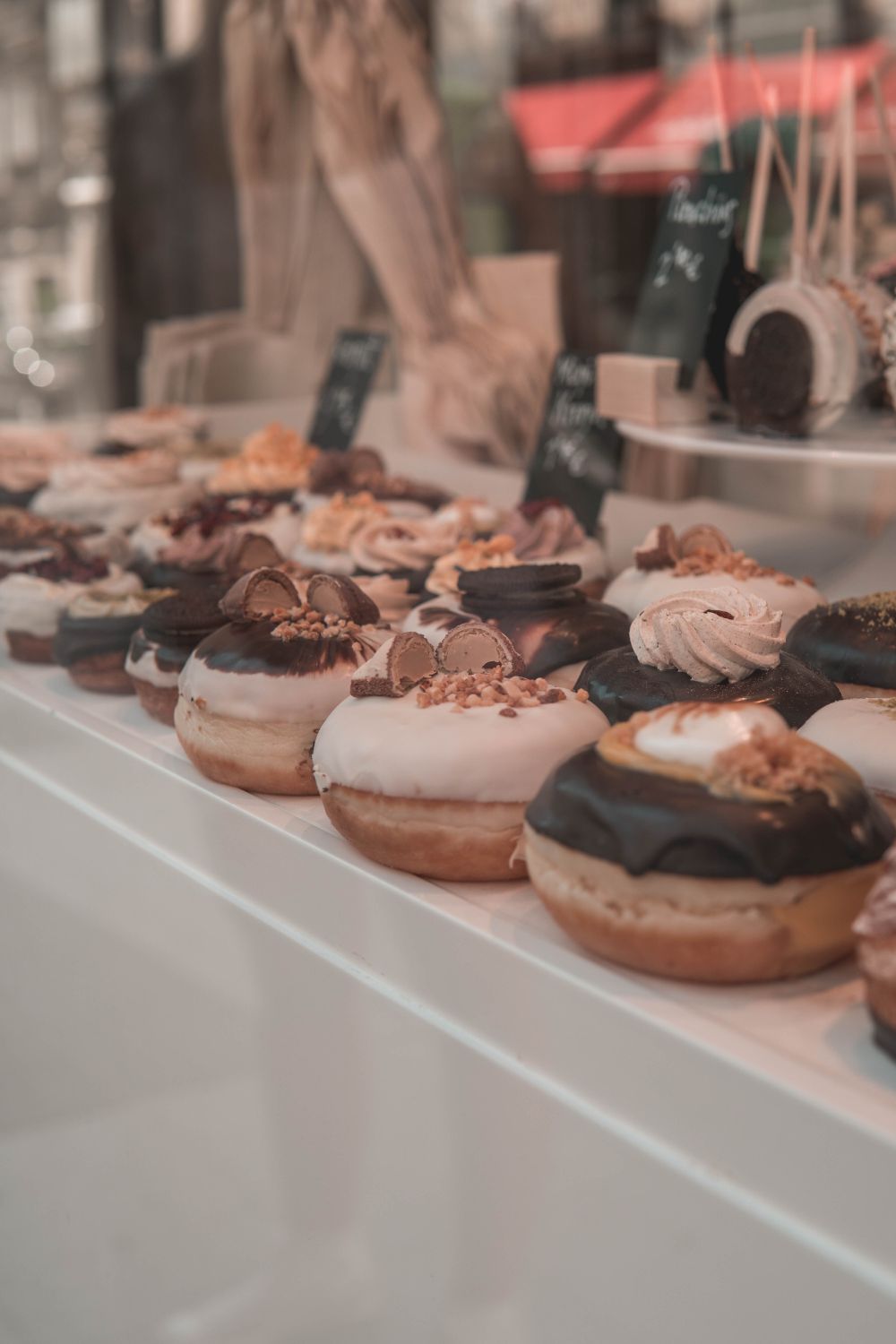
Round Rock Donuts, north of Austin, does not need an exotic topping to stand out. Its signature yeast-raised donuts have a yellow color that the bakery attributes to fresh eggs. The business dates back to 1926 and says it still uses its original owner’s recipe. That makes the dough itself the identifying feature: a familiar glazed donut with a particular appearance, preparation, and connection to its hometown.
The bakery even has a little fun with its best-known characteristic, describing the donuts as “yellow (or are they orange?!)” on its website. Behind that playful question is a labor-intensive process. According to the business, bakers hand-roll, cut, fry, and ice the bread-like dough. It also reports producing more than 500 dozen originals on busy days. Those figures are the bakery’s own, but they illustrate the scale behind a product still defined by its established preparation.
What makes this example useful is what it does not require: a claim that every customer comes for nostalgia or that old recipes automatically taste better. The verifiable story is already compelling. A bakery has maintained a recognizable specialty across generations, and that specialty carries the town’s name. The appeal goes beyond the glaze because it sits on something distinctive, not because the familiar finish has suddenly become unfashionable.
Southern California’s Donut Counters Carry a Bigger American Story
In Southern California, another part of donut-shop culture grew through immigration and business ownership. Ted Ngoy,a Cambodian refugee who arrived in California in the 1970sv, built a multimillion-dollar donut enterprise along the West Coast. His story became the subject of director Alice Gu’s documentary The Donut King. PBS describes a rise shaped by both diligence and luck, placing a seemingly everyday food business inside a much larger account of rebuilding a life.
Gu’s own discovery of that history is revealing. A lifelong Los Angeles resident, she had grown up visiting these kinds of shops without understanding the connections among them. “Growing up in Los Angeles my entire life, with all these donut shops under my nose, I had no idea about the deeper story,” she told PBS’s Independent Lens in 2021. Learning about Ngoy also prompted her to explore other Cambodian families’ experiences.
That reporting changed the meaning of the counter. What might look like a straightforward transaction- a pastry, a coffee, some change- also belonged to a history of refugee families establishing businesses in the United States. Gu connected that experience with her own parents’ journey from China. Her film was not simply a celebration of a successful entrepreneur; it examined a complicated life and the people whose stories extended beyond his individual rise.
“I hope that the film can help challenge any preconceived notions of what a refugee is, or looks like,” Gu told PBS, adding that she wanted it to show refugees’ potential when given a chance. That is a substantial story to find behind a display of donuts. It also shows that regional food culture isn’t only about recipes: the people making a familiar American treat can be central to understanding the region itself.
Related:
Sometimes the Best Local Twist Is Keeping It Simple
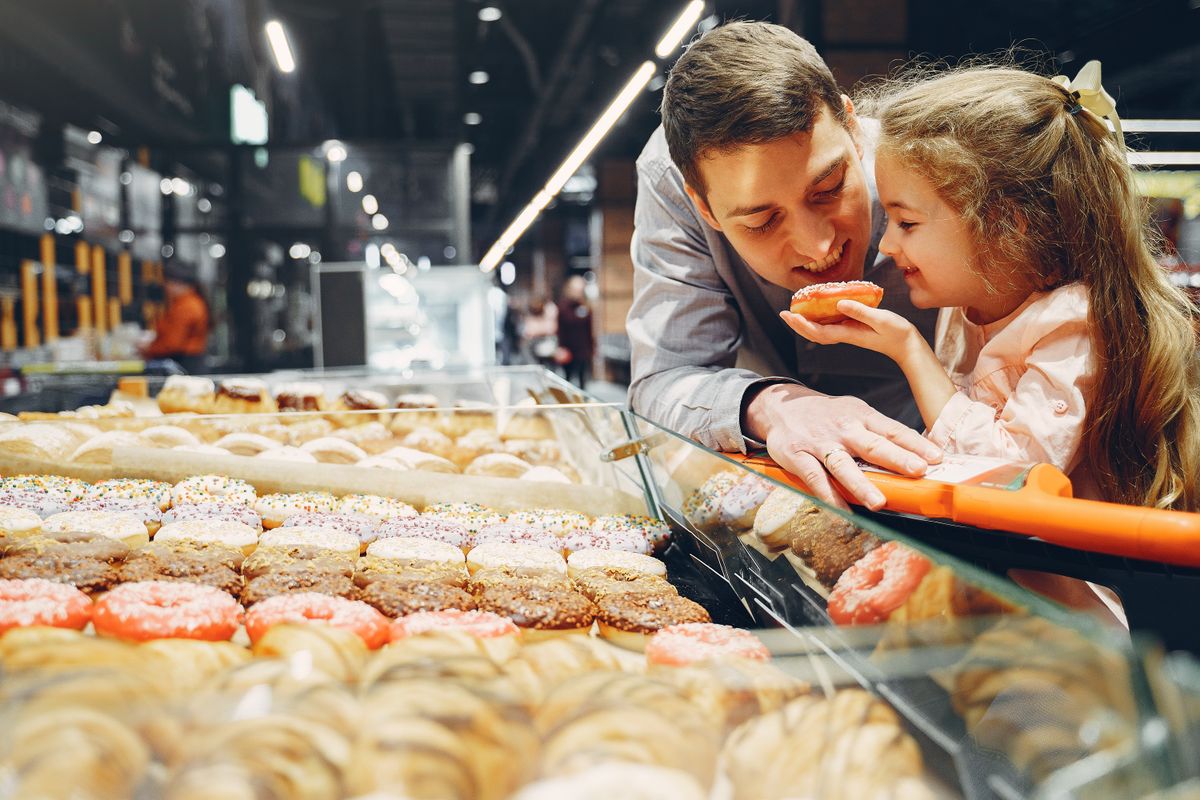
A shop can also distinguish itself through technique rather than an unusual ingredient. In a 2019 James Beard Foundation feature about Asheville, North Carolina, chef Katie Button singled out Hole Doughnuts for preparing donuts to order. “Walk in and you won’t see a case full of doughnuts; they fry them fresh to order,” she said. Her description focused on the dough’s lightness and texture, comparing it to fried ciabatta rather than praising a parade of elaborate toppings.
Her preferred order made the point even better: “I pretty much always get a vanilla glaze. I’m a purist; I can’t stray.” That endorsement neatly challenges the idea that regional appeal depends on culinary spectacle. A plain-looking finish can leave room for the preparation to shine. Button’s comments describe her experience at the time, rather than establish the shop’s current menu, but the underlying distinction remains useful: execution can be its own signature.
Even Gu, after making a documentary that took her deep into donut culture, did not abandon the basic order. When PBS asked her favorite, she answered, “I like a good basic, the glazed donut!” She added that filming had made the buttermilk bar a possible tie. It is a fitting reminder that knowing more about the food does not require ordering something more complicated. Sometimes understanding the story simply makes the familiar choice more interesting.
Together, these shops offer different reasons to look beyond the surface. Round Rock provides a distinctive recipe with a long history. Southern California’s Cambodian American businesses reveal a powerful immigrant story. Button’s Asheville recommendation celebrates a preparation method that makes a simple glaze enough. America’s regional donut shops do not have to replace the classic to give it meaning. Often, they make the classic worth knowing by name.