Delivering Accountability: A Practical Plan to Stop Crime in Our Communities
A Safer America Begins With Accountability That Actually Works
We cannot build safe communities on slogans, fear, or political theater. Public safety begins with a clear promise: people who harm others must face swift and certain consequences, victims must receive justice, and neighborhoods must receive the resources needed to prevent violence before it spreads.
Crime is not an abstract policy debate for families who hear gunfire near their homes, business owners who repair broken windows, parents who worry about their children walking to school, or victims who wait years for a case to move forward. When the government fails to solve crimes, enforce the law fairly, and prevent repeat violence, the burden falls hardest on ordinary people who simply want peace on their block.
That is why delivering accountability must become the center of America’s public safety strategy. We need more solved crimes, faster justice, stronger community partnerships, better trained police, smarter prosecution, effective violence prevention, and serious disruption of illegal gun, drug, and trafficking networks. We do not have to choose between safety and fairness. We need both, because lasting safety depends on a justice system that is effective, trusted, and disciplined.
Why Crime Falls When Justice Becomes Swift, Certain, and Local

A justice system loses power when people believe they will never be caught. Deterrence does not come mainly from the harshness of punishment. It comes from the certainty that harmful conduct will lead to real consequences. When shootings, robberies, assaults, burglaries, and organized thefts go unsolved, offenders learn the system is slow, overworked, or absent.
This is where accountability must become practical. We need investigators who can build cases, prosecutors who can move serious charges quickly, courts that avoid needless delay, and support systems that keep victims and witnesses engaged. Justice delayed weakens public trust. Justice denied gives violent actors more room to operate.
The most effective public safety plan starts with solving more crimes. That means hiring and retaining detectives, improving forensic capacity, expanding crime analysis units, modernizing evidence processing, and strengthening cooperation between local police, prosecutors, federal partners, and community leaders. A city does not become safer because officials announce a crackdown. It becomes safer when harmful people are accurately identified, cases are built carefully, and consequences are predictable.
The Real Public Safety Formula: Enforcement Plus Prevention
We should reject the false choice between policing and prevention. Strong communities need both. Enforcement responds to harm, removes dangerous individuals from the street, and gives victims a path toward justice. Prevention reduces the number of people who become victims or offenders in the first place.
A serious plan to stop crime in our communities must operate on two tracks simultaneously. First, we must focus law enforcement on the people, places, and networks that drive the highest levels of violence. Second, we must invest in youth programs, violence interruption, behavioral health support, housing stability, school engagement, job pathways, and reentry services that reduce the risk of future harm.
This is not soft on crime. It is strategic on crime. A city that only arrests after harm occurs will always remain behind the violence curve. A city that funds only social programs without addressing serious crime will lose public confidence. The winning approach is focused accountability joined with practical prevention.
Solving More Crimes Must Be America’s First Accountability Test
We cannot talk honestly about public safety without confronting clearance rates. Too many serious crimes remain unsolved. When violent crimes are not cleared, victims feel abandoned, witnesses stop cooperating, and offenders may continue harming others. This is especially devastating in neighborhoods that already face high violence and low trust in institutions.
To change that reality, we need to treat investigations as a core public safety investment, not an afterthought. Patrol officers matter, but detectives, forensic specialists, crime analysts, victim advocates, and prosecutors are equally essential. A murder case can collapse because of delayed evidence testing, poor witness follow-up, weak case management, or overloaded prosecutors. Every weak link reduces accountability.
We should expand homicide and nonfatal shooting units, because nonfatal shootings often reveal the same networks, conflicts, and retaliation cycles that lead to murders. We should improve ballistic testing and crime gun tracing, because firearms used in one shooting may be connected to other incidents. We should reduce backlogs in DNA, digital evidence, and forensic labs, because delayed evidence can mean delayed justice.
This is how we make accountability real. We do not simply call for tougher punishment after a tragedy. We build the machinery that catches the right people, proves cases lawfully, protects the innocent, and delivers justice in time to matter.
Focused Deterrence Beats Broad, Unfocused Crackdowns
The most effective anti-crime strategies do not treat every person or every neighborhood as equally risky. In most communities, a small share of people and places drives a large share of serious violence. A smart public safety plan identifies those patterns and responds with precision.
Focused deterrence works because it sends a direct message to individuals at the highest risk of shooting or being shot: the violence must stop, help is available, and continued harm will bring swift consequences. This model depends on coordination. Police, prosecutors, outreach workers, faith leaders, service providers, probation officers, and community voices must be aligned.
The goal is not mass arrest. The goal is violence reduction. We should concentrate enforcement on repeat violent offenders, illegal gun carriers connected to violence, organized crews, retaliatory conflicts, and trafficking networks. At the same time, we should offer credible pathways away from violence, including job placement, counseling, relocation support, conflict mediation, and reentry services.
Broad sweeps can flood the system with low-level cases while missing the people driving the most harm. Focused deterrence uses data, intelligence, and community knowledge to act where it matters most.
Police Departments Need Capacity, Trust, and Clear Priorities
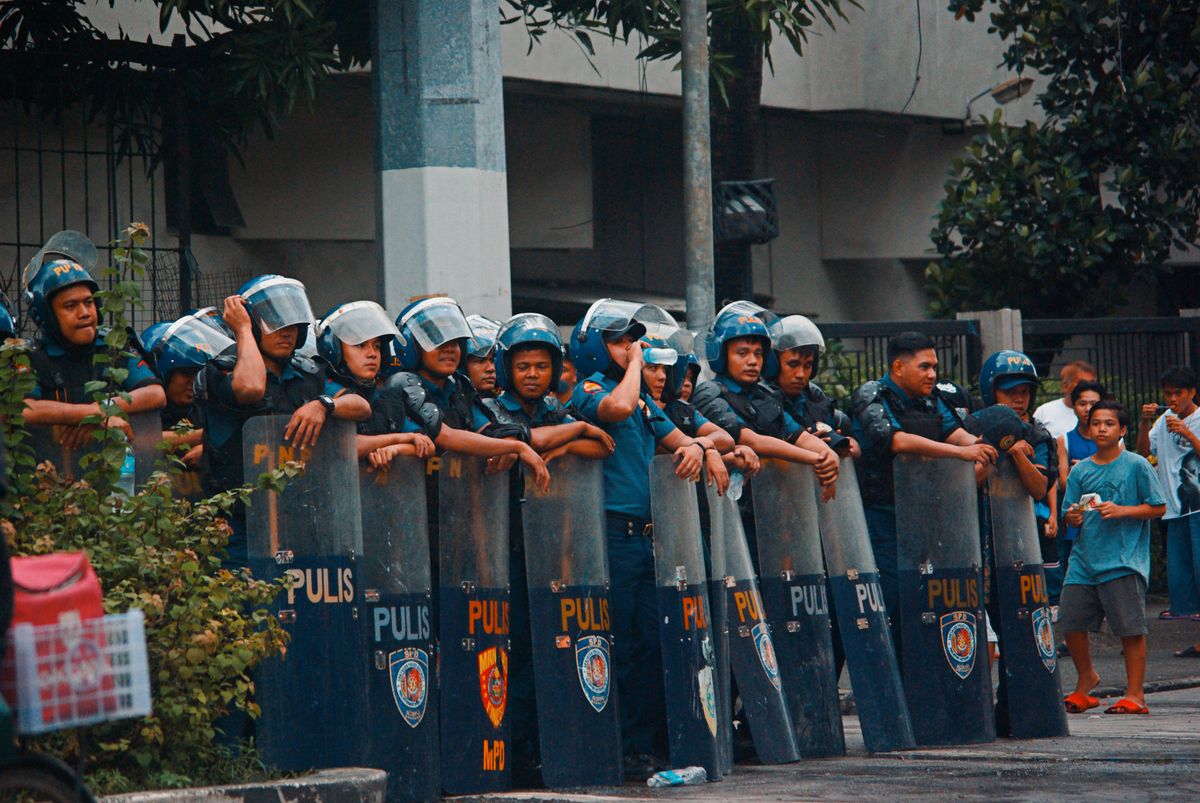
Safe communities need effective policing. That means departments must have enough qualified officers, strong supervision, constitutional training, modern technology, and clear priorities. It also means police must build trust with the people they serve, because public cooperation is essential to solving crimes.
When residents fear both crime and unfair treatment, cooperation collapses. Witnesses stay silent. Victims hesitate. Rumors replace evidence. Retaliation becomes more likely. A department cannot solve serious crimes if the community sees it as distant, disrespectful, or unreliable.
We should invest in recruitment standards, training, officer wellness, investigative excellence, and accountability systems that remove misconduct before it damages public trust. Body cameras, early intervention systems, transparent complaint processes, and strong civilian oversight can strengthen legitimacy when implemented seriously. Accountability inside law enforcement helps deliver accountability outside it.
At the same time, we should stop asking the police to solve every social problem alone. Officers should not be the default response to every mental health crisis, homelessness complaint, school discipline issue, or substance use emergency. A modern public safety system needs co-responder teams, crisis clinicians, civilian traffic response where appropriate, and specialized units that allow officers to focus on serious crime.
Prosecutors Must Move Serious Cases Faster and Smarter
A public safety plan cannot stop at arrest. If prosecutors lack staff, evidence, witness support, or court capacity, cases stall. When cases stall, victims suffer, and deterrence fades.
We need prosecutors focused on serious violent crime, domestic violence, gun trafficking, organized theft, child exploitation, human trafficking, and high-impact repeat offending. Prosecutors should work with investigators earlier so that cases are built correctly from the start. They should also use data to identify bottlenecks, reduce unnecessary delays, and prioritize cases that pose the greatest risk to public safety.
Swift justice does not mean careless justice. It means well-prepared cases, timely discovery, reliable evidence, and fair plea practices. It means victims know what is happening. It means defendants receive due process. It means communities see that harm leads to a lawful response.
We should also expand specialty prosecution where it works. Domestic violence units, gun violence units, elder abuse teams, human trafficking units, and organized retail crime teams can develop expertise that general caseload systems often lack. Serious crime deserves specialized attention.
Gun Violence Reduction Requires Crime Gun Intelligence

Gun violence is one of the most urgent public safety challenges in America. To reduce it, we must do more than respond after shootings. We must identify the supply chains that move illegal firearms into the hands of people who use them for violence.
Crime gun intelligence helps law enforcement connect the dots. Ballistic evidence can link shootings across neighborhoods, cities, and states. Firearm tracing can reveal trafficking patterns. Timely evidence processing can show whether the same weapon is being used repeatedly. Those insights allow investigators to disrupt shooting cycles before more people are harmed.
We should expand local access to ballistic testing, invest in crime gun intelligence centers, strengthen cooperation with federal agencies, and target illegal gun traffickers who profit from violence. We should also enforce laws that keep guns away from people who are legally prohibited from possessing them, including domestic abusers and those with serious violent histories.
This approach is not about symbolic politics. It is about following evidence from crime scenes to shooters, suppliers, and networks. A gun used in one crime may be the key to preventing the next one.
Illegal Markets Drive Violence, and We Must Disrupt the Networks Behind Them
Violence often follows profit. Drug trafficking, gun trafficking, human trafficking, organized retail theft, stolen vehicle rings, and fraud networks can create the conditions for intimidation, coercion, retaliation, and corruption. A serious crime plan must look beyond street-level arrests and attack the business model of organized crime.
That requires federal, state, and local coordination. Local police may see the shootings. Federal investigators may see the trafficking routes. Prosecutors may see patterns across cases. Financial investigators may see the money. Community leaders may know which conflicts are escalating. When these pieces remain separate, criminal networks benefit.
We need joint task forces that focus on violent organizations, not just isolated incidents. We need intelligence sharing that respects civil liberties while giving investigators the information needed to act. We need financial investigations that seize illicit profits. We need cross-jurisdiction cooperation because illegal markets do not stop at city limits.
The goal is to remove the people and networks that repeatedly create harm. Arresting one corner seller while ignoring the supplier, money handler, gun broker, or organizer will not deliver lasting safety.
Community Violence Intervention Must Be Treated as Core Public Safety Work
Some of the most important violence-prevention work happens outside the patrol car and the courthouse. Community violence intervention programs use credible messengers, outreach workers, hospital responders, and conflict mediators to stop retaliation before it becomes another shooting.
This work matters because violence often spreads through personal conflict, grief, revenge, social media disputes, and neighborhood tension. A shooting can trigger another shooting within hours. Police investigations are necessary, but outreach workers can sometimes reach people who will not talk to officers. They can calm conflicts, connect high-risk individuals to services, and help families navigate trauma.
We should fund these programs with the seriousness they deserve. That means stable multiyear funding, training, evaluation, safety protocols, fair wages, and close coordination with public agencies. Programs should be judged by clear outcomes, including reductions in shootings, retaliation, victimization, and reoffending.
Community violence intervention is not a replacement for law enforcement. It is a force multiplier. When outreach workers, police, hospitals, schools, and service providers operate with shared goals, communities gain more tools to stop violence.
Youth Prevention Is a Crime Strategy, Not a Side Program
If we want fewer crimes tomorrow, we must invest in young people today. Many pathways into violence begin with school disconnection, untreated trauma, unstable housing, family stress, neighborhood violence exposure, and lack of safe opportunity. A child who grows up surrounded by danger may begin to see danger as normal.
Youth prevention programs can change that path. Mentoring, after-school programs, summer jobs, sports, arts, tutoring, career training, and mental health support can reduce the risk factors that pull young people toward crime. Strong schools and safe public spaces also matter. A community with closed recreation centers, underfunded schools, and few job pathways should not be surprised when young people search for belonging elsewhere.
We should prioritize young people at the highest risk of victimization or offending. That includes youth who have been exposed to violence, dropped out of school, entered the juvenile justice system, experienced homelessness, or lost family members to violence. Early support is cheaper, wiser, and more humane than waiting for a crisis.
Public safety begins long before an arrest. It begins when young people believe they have a future worth protecting.
Reentry Support Reduces Recidivism and Protects Communities
People returning from jail or prison face a dangerous transition. Without housing, employment, treatment, identification documents, transportation, and community support, many fall back into the same conditions that contributed to their involvement in crime. If we want accountability to produce safety, reentry must be part of the plan.
Reentry is not a reward. It is risk reduction. A person who leaves prison with no job, no stable home, no treatment, and no support is more likely to reoffend. A person who returns with supervision, services, employment pathways, and clear expectations has a better chance of becoming stable and productive.
We should expand transitional housing, job training, substance use treatment, mental health care, family reunification support, and partnerships with employers willing to hire returning citizens. We should also improve probation and parole so that supervision focuses on behavior that truly affects public safety, rather than on technical violations that cycle people back into jail without reducing harm.
Communities are safer when reentry succeeds. Every person who rebuilds a lawful life represents fewer victims, less pressure on police, and stronger neighborhoods.
Victims Must Be at the Center of Public Safety Reform
Public safety policy often talks around victims instead of serving them directly. Victims need more than sympathy. They need protection, information, financial support, trauma care, legal guidance, and confidence that the system will not forget them.
A victim-centered justice system keeps people informed from the first report through case resolution. It provides advocates who can explain court dates, protective orders, restitution, compensation, and safety planning. It supports families of homicide victims, survivors of domestic violence, victims of sexual assault, and people harmed by robbery, trafficking, fraud, or assault.
When victims feel abandoned, trust declines. When witnesses feel unsafe, cases weaken. When trauma goes untreated, harm spreads across families and neighborhoods. Victim services are not separate from crime reduction. They are part of accountability.
We should fund victim advocates, witness protection, relocation assistance, trauma recovery centers, and culturally competent services. Justice must be measured not only by arrests and convictions, but also by whether harmed people receive care and dignity.
Domestic Violence Requires Faster Intervention and Stronger Enforcement
Domestic violence is one of the most dangerous and repeated forms of crime in American communities. It often escalates over time, and access to firearms can make that escalation deadly. A serious public safety plan must treat domestic violence as a priority, not a private matter.
Police, courts, prosecutors, and service providers should identify high-risk cases early. Warning signs may include strangulation, threats with weapons, stalking, forced control, prior violations of protective orders, and threats of murder or suicide. These cases require immediate attention because delay can be fatal.
We should strengthen enforcement of protective orders, improve firearm relinquishment processes for prohibited abusers, expand shelter capacity, and support survivors who face financial barriers to leaving. Many victims remain in dangerous homes because they lack money, housing, childcare, transportation, or immigration security. Public safety must confront those realities.
A community that reduces domestic violence also reduces homicide, child trauma, emergency calls, and long-term harm.
Rural Communities Need Serious Crime Investment Too
Violence is often framed as a big city problem, but rural communities face serious public safety challenges of their own. Rural counties may struggle with long response times, fewer detectives, limited forensic access, underfunded courts, jail overcrowding, domestic violence, substance use, and gun violence. The scale may be different, but the harm is real.
A national crime plan must include rural America. Smaller agencies need access to grant funding, training, crime analysis, technology, mental health response, victim services, and regional task forces. Rural prosecutors need resources to handle complex cases. Survivors need services that are within reach.
We should avoid a one-size-fits-all policy. What works in Chicago may not work the same way in a rural county. But the principles remain consistent: solve serious crimes, focus on repeat harm, prevent violence early, support victims, and disrupt illegal markets.
Every community deserves safety, whether it is a dense city block, a small town, a suburb, a tribal community, or a rural county.
Federal Power Should Support Local Safety, Not Replace It
The federal government has an important public safety role. It can fund local law enforcement, support prosecution, provide forensic tools, investigate interstate trafficking, dismantle organized criminal networks, and enforce civil rights. But federal power becomes dangerous when it is used for political spectacle instead of targeted crime reduction.
Deploying federal forces into communities without clear coordination, local trust, or a precise crime strategy can undermine public safety. Local leaders understand local dynamics. Local police know the neighborhoods. Community organizations know the people at highest risk. Federal action should strengthen that ecosystem, not bulldoze it.
A strong federal public safety agenda should fund detectives, crime labs, violence prevention, gun trafficking investigations, anti trafficking work, victim services, and reentry. It should support data systems that help communities understand what is working. It should protect constitutional rights while helping local partners stop serious harm.
We need federal leadership that asks a practical question: Will this action actually make families safer? If the answer is no, it is not a crime strategy. It is performance.
Accountability Also Means Measuring What Works
We cannot improve public safety with vague promises. We need clear metrics. Cities and counties should track violent and property crime rates, clearance rates, case processing times, shooting retaliation patterns, victim satisfaction, recidivism, emergency response times, officer misconduct, program outcomes, and neighborhood trust.
Data should be public, timely, and honest. Communities deserve to know whether shootings are falling, whether murders are being solved, whether cases are moving, whether prevention programs are reaching the right people, and whether police resources are being used effectively. Transparency builds pressure for results.
However, data must be interpreted carefully. Crime numbers can be affected by reporting patterns, police practices, population shifts, and changes in definitions. A drop in reported crime does not always mean people feel safe. A rise in reports can sometimes mean victims trust the system more. Good analysis requires context.
The strongest public safety systems combine statistics with community experience. Numbers show patterns. Residents explain reality.
The Public Safety Workforce Must Be Broader Than Police Alone
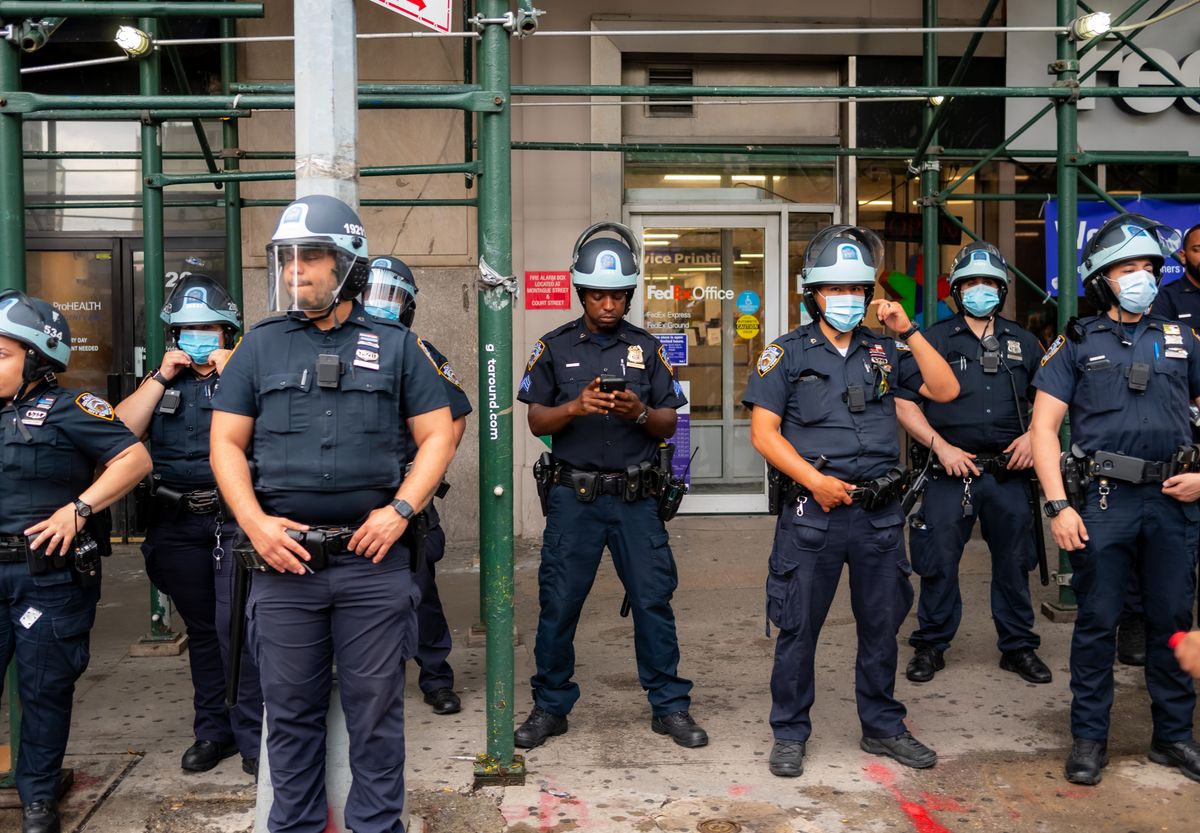
A modern safety system needs a broader workforce. Police officers are essential for responding to crime, making arrests, and protecting the public from immediate threats. But many safety problems also require the expertise of other professionals.
We need mental health clinicians, substance use counselors, youth mentors, victim advocates, forensic technicians, violence interrupters, housing navigators, probation officers, emergency dispatchers, analysts, prosecutors, public defenders, and court staff. When any part of this workforce is missing, the whole system suffers.
For example, if a person in crisis repeatedly cycles through emergency calls without treatment, police time is consumed, and the underlying problem remains. If evidence technicians are understaffed, cases slow down. If courts are backed up, accountability weakens. If victim advocates are unavailable, survivors may disengage.
Public safety is an ecosystem. We should fund it like one.
A Strong Anti-Crime Agenda Must Protect Civil Rights
Safety and liberty must rise together. A government that violates constitutional rights in the name of order does not create true safety. It creates fear, lawsuits, distrust, and long-term damage.
Civil rights protections strengthen public safety by increasing legitimacy. When people believe the system treats them fairly, they are more likely to report crimes, serve as witnesses, comply with lawful orders, and cooperate with investigations. When communities believe enforcement is biased or abusive, silence grows.
We should enforce the law firmly and fairly. That means targeting conduct, not identity. It means respecting due process. It means preventing racial profiling. It means maintaining clear limits on surveillance. It means ensuring that immigration enforcement, military deployment, or political pressure does not distort local crime priorities.
A free society must be safe, but it must also remain free. The rule of law requires both.
The Accountability Plan America Needs Now
We need a national public safety plan built around practical results. The plan should begin with a simple goal: fewer victims, more solved crimes, stronger trust, and safer communities.
First, we should hire and train more detectives, forensic staff, analysts, victim advocates, and prosecutors focused on serious crime. Second, we should expand crime gun intelligence and target illegal gun trafficking. Third, we should invest in community violence intervention and youth prevention. Fourth, we should strengthen domestic violence enforcement and survivor support. Fifth, we should improve reentry so people leaving incarceration do not return to crime.
Sixth, we should disrupt organized criminal networks that profit from guns, drugs, trafficking, fraud, and theft. Seventh, we should modernize courts so that serious cases move faster while protecting due process. Eighth, we should publish clear public safety metrics so residents can judge whether strategies are working. Ninth, we should protect civil rights and build community trust. Tenth, we should ensure that federal resources support local crime reduction rather than replace local judgment with political showmanship.
This is how we deliver accountability. Not with panic. Not with empty promises. Not with one-day headlines. We deliver it through daily work, focused resources, lawful enforcement, credible prevention, and a justice system that moves with urgency.
Safer Communities Are Built, Not Announced
The work of stopping crime in our communities is not glamorous. It is built in detective rooms, courtrooms, schools, hospital programs, neighborhood meetings, probation offices, crime labs, reentry centers, and late-night outreach efforts after a shooting. It requires patience, discipline, and courage.
We should demand more than tough talk from leaders. We should demand solved cases, lower violence, faster justice, fewer illegal guns, stronger victim support, better youth outcomes, and safer streets. We should demand accountability from people who commit crimes and accountability from the systems responsible for stopping them.
America already knows many of the strategies that work. The challenge is whether we will fund, coordinate, measure, and sustain them long enough to change lives. If we are serious about public safety, we must stop treating crime as a political weapon and start treating it as a public responsibility.
A safer country is possible when we deliver accountability with precision, prevention with purpose, and justice with the urgency every community deserves.