Eating Alone Can Have Negative Effects on Your Health
For many people, eating alone is a normal part of modern life. Busy schedules, remote work, changing family structures, and long-distance relationships have made solo meals increasingly common. While having a quiet meal by yourself can sometimes be relaxing and enjoyable, researchers and health experts warn that frequent solitary eating may be linked to physical and mental health challenges.
Studies suggest that regularly eating alone may contribute to loneliness, poorer nutrition choices, and declining overall well-being. For older adults especially, sharing meals with others may play an important role in maintaining both physical strength and emotional health.
Experts say that prolonged social isolation during mealtimes can leave some people more vulnerable to becoming physically and mentally frail.
The Connection Between Meals and Human Connection
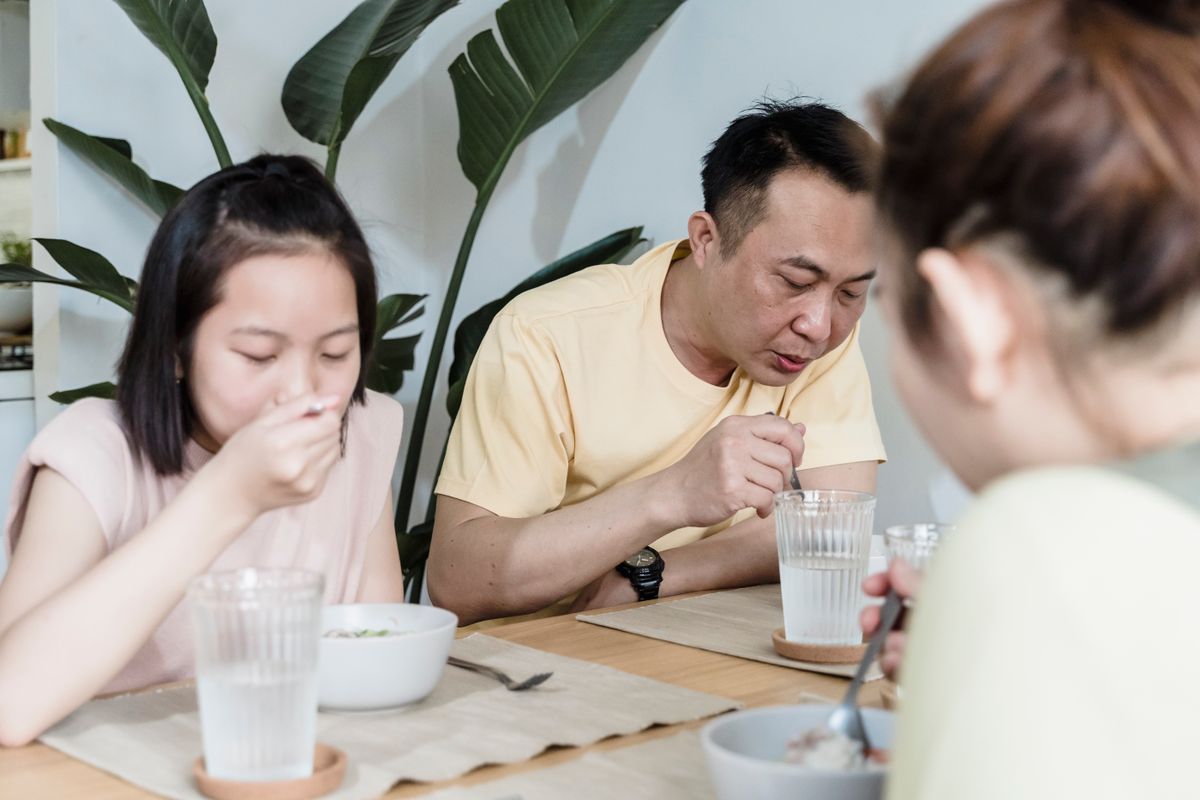
Food has always been about more than nutrition. Across cultures, meals are often a time for conversation, bonding, and emotional connection. Families gather around dinner tables, friends meet for lunch, and communities celebrate important moments through shared meals.
When people regularly eat alone, they may lose one of the easiest opportunities for daily social interaction. Over time, this lack of connection can affect mood and mental health.
Social relationships are strongly connected to overall wellness. Meaningful conversations, laughter, and companionship during meals can reduce feelings of loneliness and provide emotional support.
For some individuals, especially those who live alone, eating alone may become a reminder of social isolation rather than simply a practical choice.
How Eating Alone May Affect Nutrition
One of the biggest concerns about frequent solitary meals is that people may make less healthy food choices when they are eating without others.
When dining alone, some individuals may be less motivated to prepare balanced meals. They may skip cooking, rely on processed foods, or choose quick snacks instead of nutritious options. Over time, these habits can contribute to poor dietary patterns.
Shared meals often encourage people to slow down, prepare more varied foods, and maintain regular eating routines. People who cook for family members or friends may be more likely to include vegetables, proteins, and other important nutrients.
Older adults who frequently eat alone may face a higher risk of inadequate nutrition because they might lose interest in preparing meals or eat smaller portions.
Poor nutrition can contribute to muscle loss, reduced immunity, fatigue, and a greater risk of health problems.
The Risk of Becoming Physically Frail
Frailty is often associated with aging, but lifestyle factors can also influence it. It involves reduced strength, lower energy levels, and decreased ability to recover from illness or physical stress.
Researchers have examined the relationship between social isolation, eating habits, and frailty among older adults. Some findings suggest that people who frequently eat alone may be more likely to experience physical decline.
People who regularly eat alone may be less likely to maintain healthy eating habits, exercise regularly, or seek social activities that support an active lifestyle.
Muscle health is especially important as people age. Adequate protein intake and proper nutrition help maintain strength and mobility. If loneliness or lack of motivation causes someone to eat poorly, it may contribute to physical weakness over time.
Mental Health Effects of Eating Alone
The emotional impact of eating alone can be significant, particularly when it is connected to loneliness.
Humans are naturally social beings, and regular interaction with others helps support emotional balance. When people feel disconnected, they may experience increased stress, sadness, or anxiety.
For some, eating alone is not a personal preference but a sign of reduced social contact. This can create a cycle where loneliness affects eating habits, and poor eating habits further reduce energy and motivation to socialize.
Mental health experts often emphasize that small daily interactions can make a difference. A conversation with a neighbor, a shared meal with friends, or joining a community dining program can help people maintain social connections.
Why Older Adults May Be More Vulnerable
While anyone can experience the effects of isolation, older adults are often considered more vulnerable because they may face additional challenges.
Retirement, the loss of a spouse, mobility issues, and living far from family can reduce opportunities for social interaction. As a result, mealtimes may become another part of the day spent alone.
For some older adults, preparing food for one person may also feel less rewarding. They may cook less frequently, eat smaller amounts, or lose interest in maintaining healthy eating habits.
Community programs that provide shared meals, senior centers, and social gatherings can help address these challenges by combining nutrition with companionship.
Eating Alone Is Not Always Harmful
Experts also point out that eating alone is not automatically unhealthy. Many people enjoy solo meals and use that time to relax, reflect, or practice mindful eating.
The concern is not occasional solitary meals but long-term patterns of isolation and reduced social connection.
Someone who enjoys eating alone but maintains strong friendships, a healthy diet, and regular activities may not experience the same risks as someone who is socially isolated.
The quality of a person’s overall lifestyle matters more than whether they share every meal.
Simple Ways to Make Meals More Social
If you feel isolated during mealtimes, small changes can help you feel more connected.
Calling a friend or family member while eating, joining a community meal, inviting a neighbor for lunch, or scheduling regular meals with others can make a difference.
Technology has also created new ways for people to connect. Virtual meals through video calls can provide companionship for those who cannot easily meet in person.
Cooking with others is another opportunity to combine nutrition and social interaction. Preparing food together can create a sense of purpose and belonging.
A Reminder That Food Is About More Than Calories
Meals provide the body with energy, but they also feed emotional and social needs. Throughout human history, eating has helped people gather, communicate, and strengthen relationships.
As modern lifestyles get busier, experts say it is important not to overlook the social value of sharing food.
Eating alone occasionally is a normal part of life. However, for people experiencing ongoing loneliness, frequent solitary meals may signal that they need more social connection.
A simple invitation to share a meal, a phone call during dinner, or joining a local gathering could provide benefits that go far beyond what is on the plate.
In the end, good health depends not only on what people eat but also on how connected they feel while doing it.