Flying Tiger Expands Into Canada, Bringing Its Affordable Design Stores Overseas
Flying Tiger Copenhagen is entering a new phase of growth, and this time the expansion is less about opening stores and more about exporting a retail experience.
The Danish lifestyle brand, known for its colorful, constantly changing assortment of affordable home goods and gift items, is preparing to expand into Canada as part of a broader global strategy that prioritizes experiential shopping over traditional retail scale.
Rather than simply adding another market to its map, Flying Tiger is testing how far its “surprise-driven” retail model can travel and whether consumers outside Europe respond to shopping as a form of discovery rather than routine purchase behavior.
From Product Retailer to Experience-First Brand
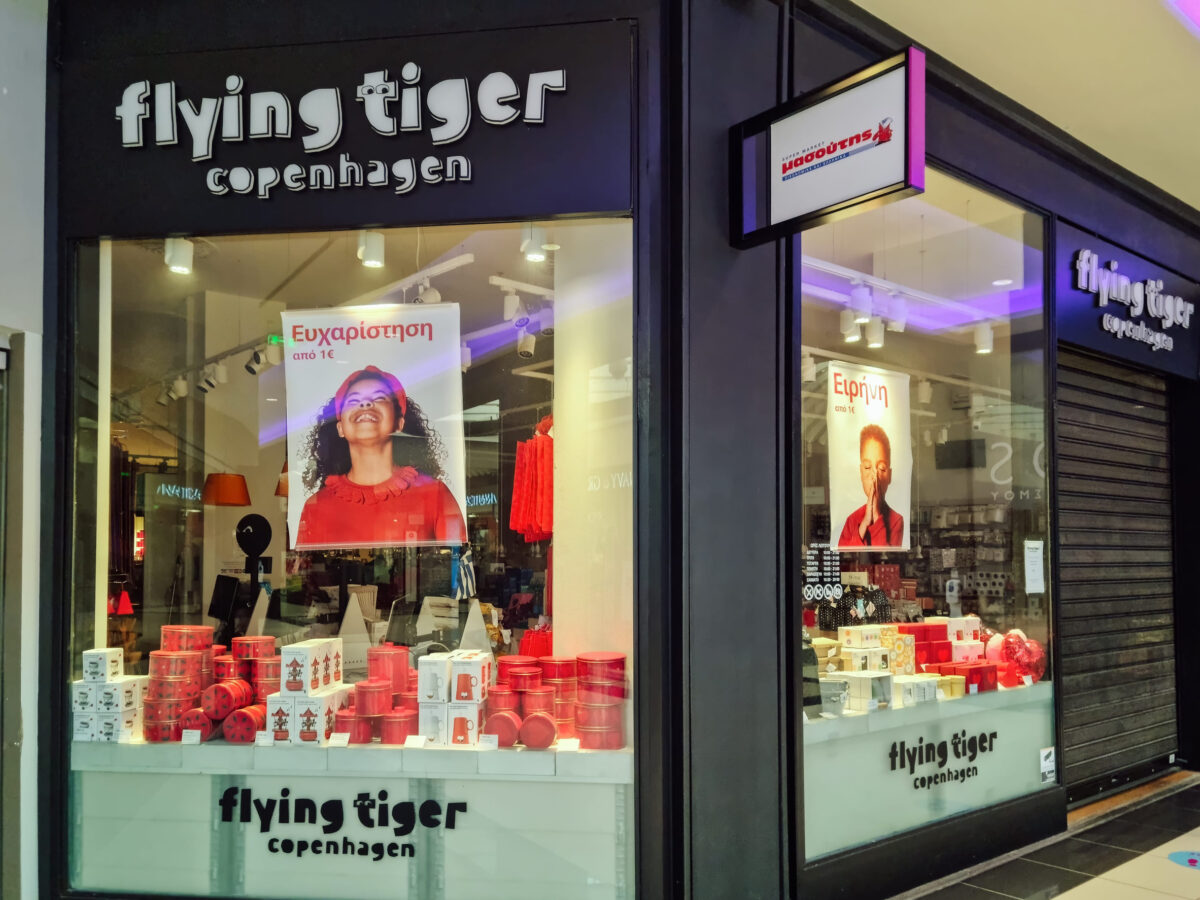
Flying Tiger Copenhagen does not operate like a typical discount chain. Instead of predictable aisles and fixed categories, its stores are designed to feel like evolving spaces where the product mix shifts frequently and customers are encouraged to browse rather than shop with a list.
That model has quietly turned the brand into something closer to a retail experience than a conventional store. Every visit feels slightly different, driven by seasonal drops, playful design items, and low-cost impulse purchases.
This approach has helped Flying Tiger carve out a unique position between dollar-store convenience and design-led lifestyle branding. It is not luxury, and it is not essential retail; it sits in the space of curiosity-driven consumption.
Why Canada Fits the Next Phase of Expansion
The decision to expand into Canada reflects a strategic bet on markets that support experiential retail environments.
Canada’s urban centers, particularly Toronto, Vancouver, and Montreal, have become fertile ground for international brands that rely on high foot traffic, mall ecosystems, and younger consumers drawn to aesthetic, affordable lifestyle products.
Flying Tiger’s entry is expected to follow a targeted rollout strategy, focusing on select retail locations rather than rapid mass expansion. This controlled approach allows the brand to test how its discovery-based model performs outside its established European customer base.
In many ways, Canada is not just a new market; it is a controlled experiment in global scalability.
The Engine Behind Flying Tiger’s Growth Strategy
At the center of Flying Tiger’s expansion is a simple but powerful retail engine: constant product rotation.
Unlike traditional retailers that rely on stable inventory and long product lifecycles, Flying Tiger thrives on change. New items arrive frequently, older items disappear quickly, and the store layout evolves with each visit.
This creates a behavioral loop. Customers return not out of necessity, but out of curiosity, never fully knowing what they will find next.
That dynamic is now being tested internationally at scale, with Canada positioned as one of the next major checkpoints in that strategy.
Competing in a Crowded Value Retail Landscape
The Canadian retail environment presents both opportunity and pressure.
On one side, consumers are increasingly price-conscious, especially in urban centers where inflation and housing costs are shaping spending habits. This creates strong demand for affordable lifestyle goods.
On the other side, the market is already saturated with value-driven competitors ranging from dollar-store chains to global fast-fashion retailers that have expanded into homeware and accessories.
Flying Tiger’s advantage is not price alone; it is presentation. Its stores are designed to feel playful, visually dense, and constantly shifting, which differentiates it from more utilitarian discount formats.
The challenge will be whether that “experience premium” translates effectively in a new cultural and retail context.
A Shift in How Global Retail Expands
Flying Tiger’s move into Canada reflects a broader shift across global retail: expansion is no longer just about geography but about replicating formats.
Instead of building massive flagship footprints, brands are increasingly testing modular store concepts that can be adapted quickly across markets. The focus is on speed, flexibility, and behavioral consistency, getting customers in different countries to respond to the same retail cues.
Flying Tiger fits neatly into this trend. Its model is already standardized in design philosophy, but flexible in product execution, making it easier to transplant into new cities without losing identity.
What This Expansion Really Signals

At a deeper level, the Canadian rollout is less about retail growth and more about proving resilience in a shifting global economy.
Consumers are spending more selectively. Retailers are competing for attention as much as revenue. And experiential value, how a store feels, not just what it sells, is becoming a key driver of success. Flying Tiger is betting that curiosity still scales.
If Canada responds positively, it strengthens the case for further expansion into additional markets with similar urban retail structures. If not, it becomes a valuable signal about where experiential discount retail works and where it does not.
Either way, the brand is no longer just opening stores. It is stress-testing a global retail identity built on surprise, design, and constant reinvention.