Miami Sellers Are Pulling Homes Off the Market Instead of Cutting Prices, and the Numbers Reveal a Bigger Housing Standoff
Miami’s real estate market is flashing one of the strangest signals in America’s housing slowdown. Prices are down 4.7%, homes are sitting on the market for 88 days, and buyers have more choices than they did just 1 year ago. Yet many sellers are refusing to make the move buyers most want: cutting the price.
Instead, a growing number of homeowners are pulling their properties off the market altogether. Data show that Miami recorded 59 delistings per 100 new listings, the highest rate among major U.S. metros. That single number turns a local housing trend into a national warning sign.
The result is a market where buyers expect discounts, sellers expect patience, and neither side wants to blink first. In a city where the median list price still sits around $509,950, the fight is not just about homes. It is about confidence, cash, timing, and who truly has the upper hand.
Miami’s Housing Market Is Cooling, but Sellers Are Holding the Line
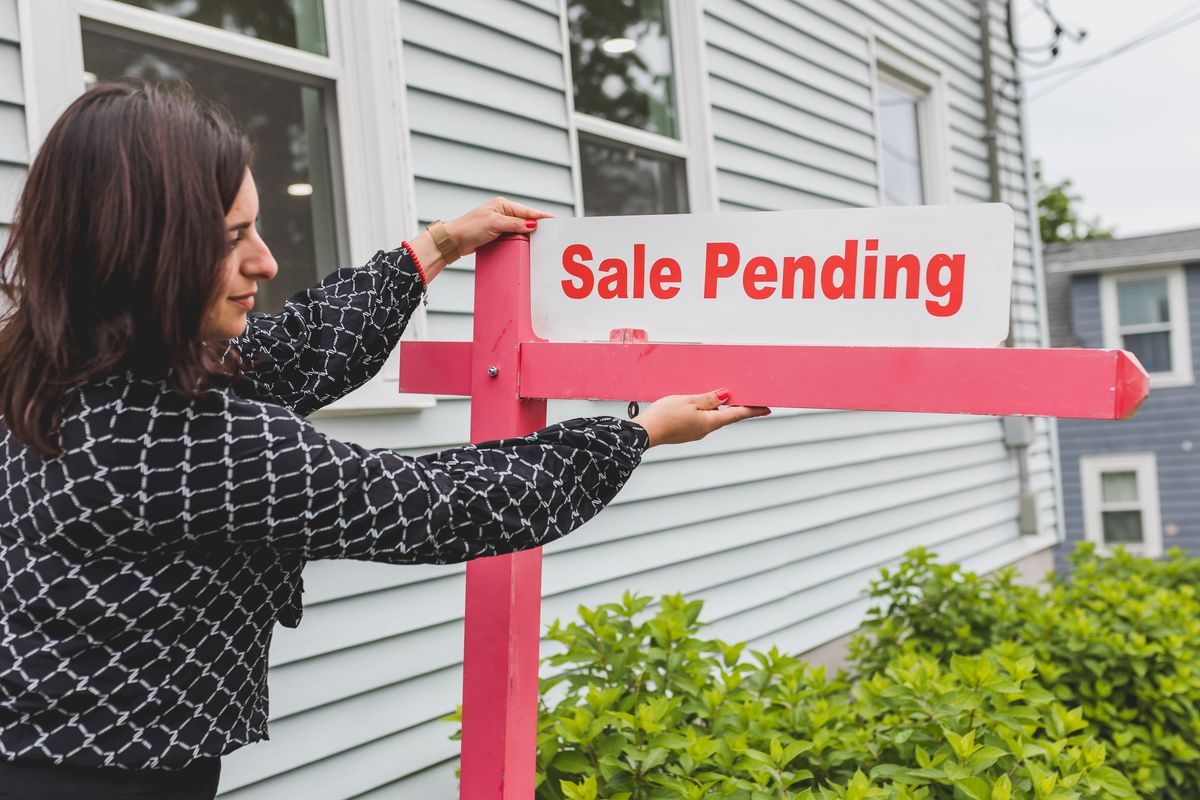
Miami is no longer moving with the wild speed of the pandemic housing boom. The median list price dropped 4.7% year over year in July 2025, falling to about $509,950. Inventory also jumped by roughly 30%, giving buyers far more options than they had during the market’s tightest years.
Normally, that combination would push sellers to offer deals. More homes plus slower sales usually mean more bargaining power for buyers. But Miami is not behaving like a normal cooling market, with fewer than 18% of listed homes seeing price reductions.
That is the twist that makes this story so important. Even with homes sitting for 88 days, the longest stretch among the top 50 U.S. metros, many sellers are not lowering their expectations. They are choosing to step away from the market instead.
This creates a strange kind of slowdown. Miami has more supply, softer prices, and longer wait times, but it does not have the level of discounting buyers might expect. For every buyer hoping for a 5% or 10% break, there may be a seller quietly deciding to wait another 3 to 6 months.
The Delisting Number That Makes Miami Stand Out Nationally
The biggest number in this housing story is not the price drop. It is the delisting rate. In June 2025, Miami saw 59 homes pulled from the market for every 100 new listings, far above the national ratio of 21 delistings per 100 new listings.
That gap is enormous. Miami’s delisting rate was nearly 3 times the national pace, which shows this is not just a small local quirk. It is a clear sign that many sellers are rejecting today’s buyer mood.
Other markets are cooling too, but Miami stands apart. Phoenix recorded 37 delistings for every 100 new listings, while Riverside, California, recorded 30. Those are high numbers, but Miami’s 59 makes the city the national outlier.
The pattern suggests that many Miami sellers would rather remove a listing than let the public see a lower price. A price cut signals to buyers that the seller is flexible. A delisting sends a different message: not now, not at that number, and not under pressure.
Why More Inventory Has Not Created Easy Bargains
Buyers may look at Miami’s 30% jump in inventory and assume the market is finally opening up. On paper, that makes sense. More listings should mean more competition among sellers, especially when homes are staying active for nearly 3 months.
But the actual experience can feel different. A buyer may tour 10 homes, find several sitting for weeks, and still discover that many sellers refuse to negotiate much. That is frustrating in a market where the average listing is already taking 88 days to move.
The reason is simple: more inventory does not automatically mean motivated inventory. Some sellers are testing the market. Some are willing to sell only at a preferred price. Others may be investors, second-home owners, or long-time homeowners with enough equity to wait.
That creates a hidden divide between available homes and homes that are truly negotiable. Miami may have more listings than it had 12 months earlier, but not every seller is desperate to close. For buyers, that means the number of homes on the screen may look better than the number of real deals on the table.
The Hidden Psychology Behind Miami’s Seller Resistance
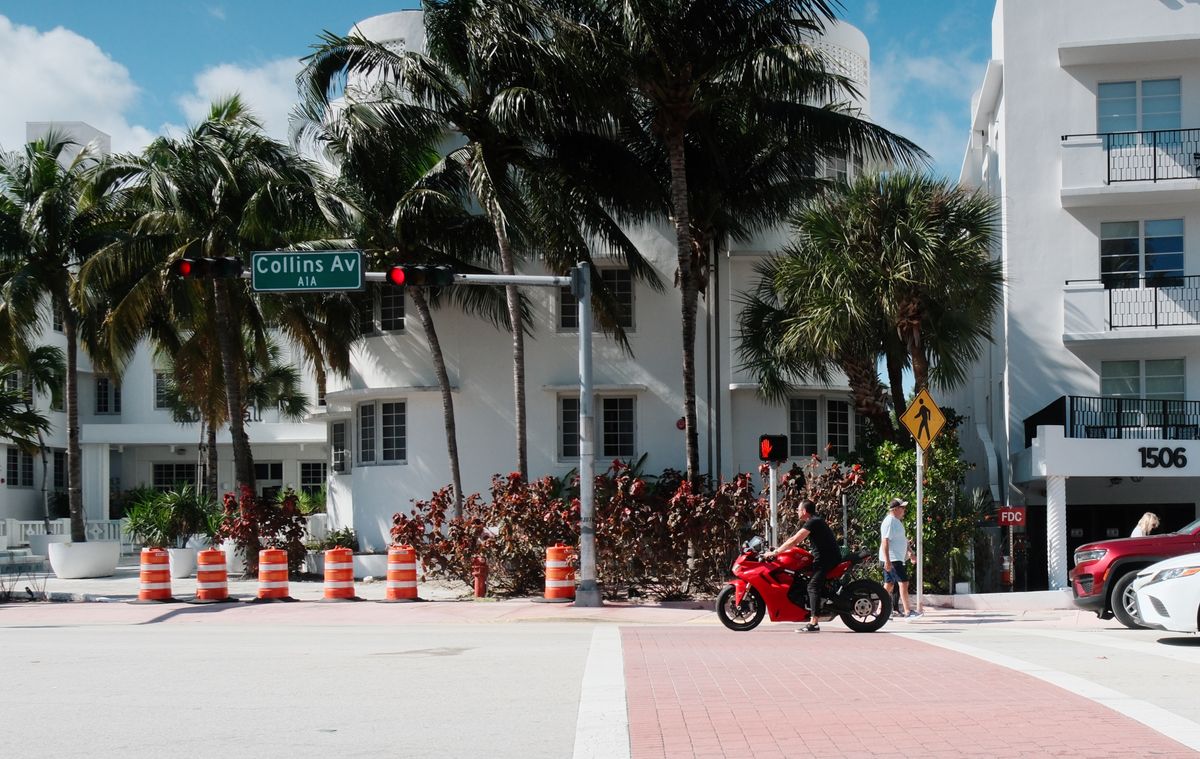
Miami sellers are still carrying memories of the pandemic boom. During the peak years, demand surged, bidding wars spread, and many homes sold quickly. For owners who watched prices rise sharply between 2020 and 2022, today’s slower market can feel like a pause rather than a reversal.
That psychology matters because housing is emotional as well as financial. A seller who believes a home is worth $550,000 may reject offers near $500,000, even if the market has softened. The old price becomes an anchor.
There is also a pride factor. Miami is not just another housing market; it is a lifestyle brand. The city sells sunshine, beaches, nightlife, international access, tax advantages, and year-round warmth. For many sellers, those benefits still justify a premium price, even when buyers are counting every 1% increase in ownership costs.
This is why calling sellers “stubborn” only tells part of the story. Some may be unrealistic, but others are strategic. If they do not need to sell within 30, 60, or 90 days, they can pull the home and wait for the next wave of buyers.
Buyers Have More Choices, but Not Always More Power
Miami buyers have gained options, but they have not gained total control. A 30% rise in inventory gives them more homes to compare, but fewer price cuts mean they still face resistance. That is why the market feels better than it did during the boom, but not exactly easy.
A buyer today can take more time than in 2021 or 2022, when fast offers and waived contingencies were common in many hot markets. Homes sitting for 88 days give buyers space to inspect, compare, and negotiate. That is real progress.
Still, the seller must be willing to meet the market. If a homeowner removes the listing instead of accepting a lower offer, the buyer’s leverage disappears. The house may be visible one week and gone the next.
This makes Miami a more tactical market. Buyers need to watch price history, days on market, relisting patterns, and withdrawn listings. A home that vanishes after 2 months may return later, and when it does, the seller may be more open to a serious offer.
Condo Costs, Insurance Pressure, and the Affordability Squeeze
Miami’s condo market adds another layer of pressure. Buyers are not just looking at the asking price; they are also looking at insurance, association fees, building reserves, repairs, and special assessments. A condo priced at $400,000 can become far less attractive when monthly costs climb by several hundred dollars.
Florida’s condo rules have also changed the conversation. Many associations have been preparing for stricter reserve and inspection requirements, with key deadlines tied to 2025 and 2026. That means buyers are asking harder questions before signing contracts.
Insurance is another major concern. In South Florida, monthly ownership costs can rise quickly when insurance premiums increase. Even a seller who cuts the price by $10,000 may not solve the affordability problem if the buyer is facing higher monthly carrying costs.
This is why some buyers are cautious despite more listings. They are not only asking, “Can I buy this home?” They are asking whether they can afford to keep it for 5, 10, or 15 years.
Why Some Sellers Can Afford to Wait
Not every Miami seller is under financial pressure. Some owners bought years ago at much lower prices. Some have large equity positions. Others paid cash, especially in the luxury and investor-heavy parts of the market.
That matters because a seller with a low mortgage payment or no mortgage can behave very differently from someone who must sell quickly. A homeowner who bought before prices surged may still be sitting on 6-figure equity. That gives them room to wait.
Some owners also have rental options. If they cannot get the sale price they want, they may lease the property for 12 months and try again later. In a city with strong rental demand, that backup plan can reduce the pressure to cut.
This is one reason Miami’s delisting trend does not automatically mean panic. In distressed markets, sellers cut because they must. In Miami, many sellers appear to be delisting because they can.
The Risk of Pulling a Home Off the Market
Delisting can protect a seller from accepting a bad offer, but it can also create new problems. A home that sits for 88 days and then disappears may return later with buyer suspicion attached. People may wonder why it did not sell the first time.
There are also real carrying costs. Taxes, insurance, utilities, maintenance, repairs, landscaping, and association fees do not stop just because the listing is gone. A seller waiting 6 months for a better price may spend thousands of dollars during that pause.
The market can also move against them. If inventory rises another 10% or 20%, sellers may face even more competition later. Waiting only works if demand improves or the property remains special enough to stand out.
That is why delisting is a gamble. It can be a smart pause for a seller with patience and money, but it can become expensive if the market continues to cool. In real estate, time is never free.
What Buyers Should Watch Before Making an Offer
Buyers should pay close attention to withdrawn and expired listings. A home that leaves the market after 60 or 90 days may still have a seller who wants to move, even if the public listing is gone. That can create quiet opportunities.
Price history is also important. If a property has been listed 2 or 3 times without selling, the seller may be testing the market rather than pricing realistically. Buyers should compare the asking price with nearby closed sales, not just other active listings.
Days on market can also reveal pressure. A home sitting for 100 days may not guarantee a discount, but it should invite deeper questions. Why has it not sold? Has the seller received offers? Are insurance, inspection, or fee issues scaring buyers away?
The strongest buyers will be patient but prepared. In a market like Miami, a clean offer, strong financing, and smart timing can matter as much as a lower price. When the right seller finally decides to move, the buyer who has been watching for weeks may have the advantage.
Miami’s Housing Standoff May Shape the Next 12 Months
The next 12 months could decide whether Miami’s sellers were patient or overly optimistic. If buyers return strongly, today’s delistings may look like a smart waiting strategy. If affordability pressure continues, more sellers may eventually have to cut.
Mortgage rates, insurance costs, condo fees, migration trends, and local job strength will all shape what happens next. Even a 1-point shift in mortgage rates can dramatically affect buyers’ budgets. In a market with prices near $510,000, small changes can move big decisions.
Miami’s long-term appeal remains strong. The city remains a magnet for wealth, tourism, international buyers, retirees, investors, and professionals seeking a South Florida lifestyle. That demand story gives sellers confidence.
But confidence does not close every deal. Buyers still need monthly payments they can afford, buildings they trust, and prices that make sense. If those pieces do not align, homes can sit, stall, and disappear.
For now, Miami’s housing market is not crashing. It is freezing into a standoff. Sellers are pulling homes rather than cutting prices; buyers are waiting for better deals; and the most important number may be 59 delistings per 100 new listings.
That number says more than any glossy listing photo. It says Miami sellers still believe the market will come back to them. The question is whether buyers will agree before the next 6 to 12 months or force someone to blink.