New Data Reveals a Growing Household Crisis as Americans Struggle With Rising Energy Expenses
For years, energy insecurity was often viewed as a hardship affecting only the nation’s poorest households. But new federal data reveals a much broader crisis taking shape across America. Rising electricity, heating, and cooling costs are now putting pressure on millions of families who once believed they were financially secure.
The latest findings show that energy insecurity has expanded into the middle class, affecting working households, renters, seniors, and families living in homes that were previously considered energy efficient.
In 2024, approximately 43.6 million U.S. households experienced some form of energy insecurity, meaning they struggled to afford basic energy needs. That represents nearly one-third of all American households facing challenges such as falling behind on utility bills, receiving disconnection warnings, reducing energy use to unsafe levels, or making difficult financial choices to keep their homes powered.
The numbers reveal a deeper affordability problem. Energy costs are no longer simply another monthly expense. For millions of Americans, they have become a growing financial burden tied closely to housing costs, inflation, and the rising price of everyday life.
Energy Hardship Has Increased After Temporary Pandemic Relief Faded
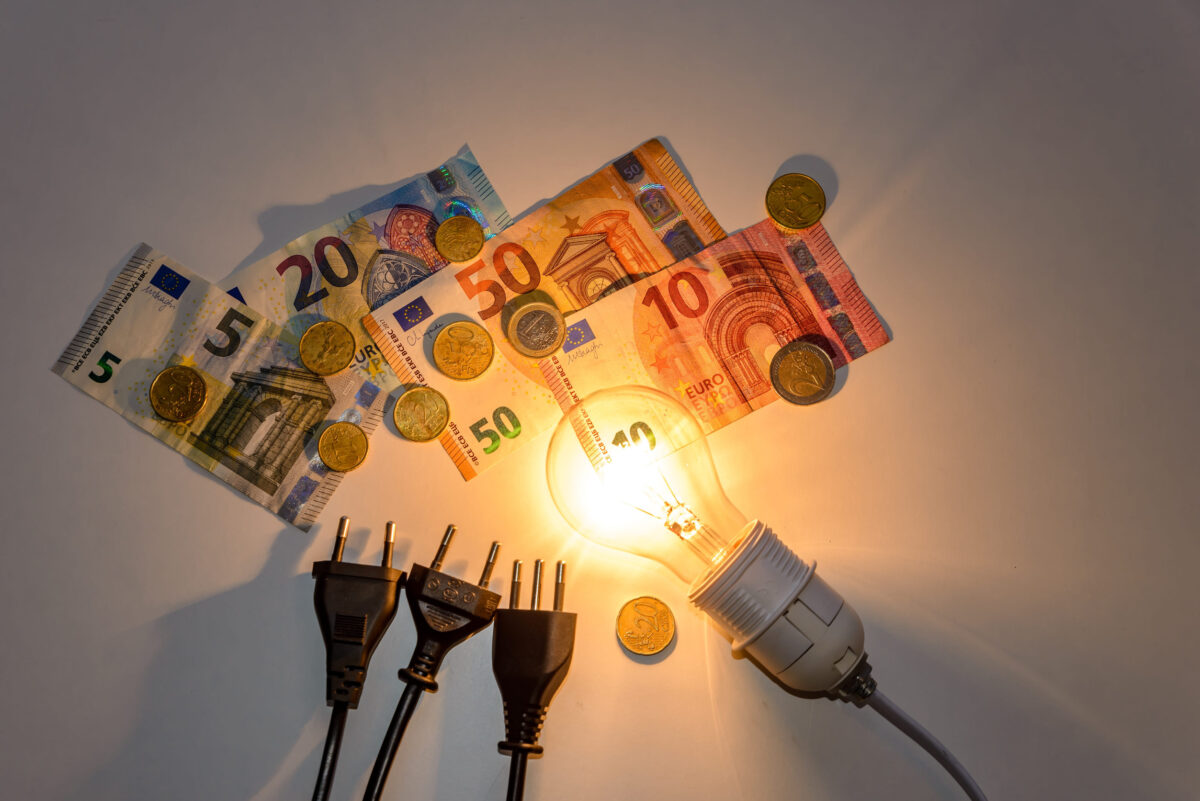
The latest data shows a significant reversal after a brief period of improvement during the pandemic.
In 2015, about 31.3% of households reported struggling with energy costs. That figure dropped to 27.2% in 2020, when emergency government assistance, financial relief programs, and temporary protections against utility shutoffs helped many families avoid falling behind.
However, those protections did not permanently solve the underlying affordability problem.
By 2024, the share of households experiencing energy insecurity had climbed to 32.9%, representing a sharp increase in only a few years.
Behind these statistics are families making painful choices. Some households reduce heating during cold months to lower bills. Others avoid running air conditioning during extreme heat because they fear the cost. Some delay other important expenses, including groceries, healthcare needs, or household repairs, just to prevent their utilities from being disconnected.
The growing concern is that energy insecurity is becoming less of an isolated problem and more of a reflection of broader financial stress affecting households nationwide.
Middle-Class Families Are Feeling the Impact of Rising Energy Costs
One of the biggest changes revealed by the data is the growing number of middle-income households struggling with energy expenses.
Families earning between $60,000 and $100,000 annually experienced one of the sharpest increases in energy insecurity.
In 2020, around 20.1% of households in this income range reported energy affordability problems. By 2024, that number had risen to 32.1%.
The increase highlights how quickly financial pressures have shifted for many American families.
Housing costs have increased significantly in many areas. Mortgage rates have made buying homes more expensive. Renters are paying more each year. Food prices, insurance costs, and transportation expenses have also consumed larger portions of household budgets.
For many families, income that once covered monthly expenses comfortably is now stretched thin.
Energy bills have become one more challenge in a growing list of financial pressures, proving that energy insecurity is no longer limited to households living below the poverty line.
A Wider Range of Americans Are Now Facing Energy Challenges
Energy insecurity has historically affected certain groups at higher rates, including low-income households, renters and communities facing economic disadvantages.
Black, Hispanic, and American Indian households have traditionally experienced greater difficulty managing energy costs due to factors such as income inequality, housing conditions, and limited access to resources.
However, recent trends show that the problem is expanding.
White households also saw a notable increase in energy struggles, rising from 20.1% in 2020 to 26.4% in 2024.
While disparities continue to exist, the broader pattern shows that rising energy costs are affecting families across different backgrounds.
The issue is no longer only about identifying the most vulnerable households. It is about recognizing that more Americans are becoming financially exposed when energy prices rise.
Seniors Are Losing Some of the Protection They Once Had

Older Americans have traditionally been viewed as one of the groups better protected from energy hardship because of targeted assistance programs and financial support systems.
But even seniors are now experiencing increased pressure.
The percentage of older households facing energy insecurity rose from roughly one in five households in 2020 to one in four households in 2024.
For retirees living on fixed incomes, rising utility costs can create immediate challenges. Unlike working adults who may have opportunities to increase earnings, many seniors have limited ways to adjust when monthly expenses climb.
Higher energy bills can force difficult decisions, including reducing household comfort, delaying payments, or seeking additional assistance.
The increase among older Americans suggests that traditional support systems are struggling to keep pace with today’s economic realities.
Energy-Efficient Homes Are Not Enough to Escape the Crisis
Improving home efficiency has long been considered one of the best solutions for reducing energy expenses.
Better insulation, upgraded windows, and modern heating and cooling systems can help households consume less energy.
However, the newest data shows that efficiency alone cannot fully protect families from rising costs.
Even households living in more efficient homes experienced increasing levels of energy insecurity.
This suggests that the challenge is not only about how much energy households use. It is also about whether families can afford the price of energy itself.
A home can be well-maintained and energy efficient, yet still become difficult to manage when utility costs rise faster than household income.
America’s Energy Assistance System Faces New Challenges
Many energy assistance programs were created decades ago during periods when the main concern was protecting families from sudden heating cost increases.
Today, the situation has changed.
Households are facing higher cooling demands, extreme weather events, rising electricity consumption, and continued economic pressure.
The modern energy affordability crisis requires solutions that go beyond preventing shutoffs. Families need support to maintain safe living conditions while managing unpredictable costs.
The challenge is becoming more complex because energy needs are changing faster than many existing systems can adapt.
The Growing Cost of Keeping Homes Powered
Energy markets are influenced by global events, supply disruptions, changing demand, and economic uncertainty.
At the same time, electricity demand continues to grow as technology, industries, and infrastructure require more power.
For households already dealing with expensive housing, food, and transportation, even small increases in utility costs can have major consequences.
A bill that was once manageable can quickly become overwhelming when combined with other rising expenses.
That is why energy affordability has become a major household concern across the country.
The Energy Bill Crisis Is Becoming an American Affordability Crisis
The latest federal findings reveal a major shift: energy insecurity is no longer affecting only a small portion of the population.
Nearly one in three American households is now experiencing difficulty meeting basic energy needs.
Low-income families remain among the hardest hit, but the problem is expanding into middle-income households, senior communities, and families across different regions.
The challenge facing America is not simply keeping the power connected. It ensures that households can afford the essential energy services required for a safe and healthy life.
As energy costs continue rising, millions of families are asking the same question: how long can household budgets continue absorbing the pressure?