Our Son Always Puts His Wife’s Family First on Holidays. I’m Tired of Buying Gifts for Grandkids I Never See. What Now?
For many grandparents, the holidays are about more than exchanging presents. They are a chance to see grandchildren, share family meals, take photos, and create memories children might remember for years.
But what happens when those opportunities rarely come?
Imagine buying Christmas presents for your grandchildren every year, carefully choosing things you hope they will enjoy, only to discover that your son is spending the holiday with his wife’s family again. Perhaps you receive a quick phone call or a message thanking you for the gifts, but the family gathering you hoped for never happens.
At first, you may tell yourself that everyone is busy. Then another holiday passes, followed by another. Eventually, the disappointment becomes difficult to ignore.
For some grandparents, the frustration is no longer just about missing Christmas dinner. It is about feeling as though they are expected to contribute financially while receiving very little time or attention in return.
So what should a parent do when an adult son consistently prioritizes his wife’s family during holidays?
Recognize That the Hurt May Be About More Than the Presents
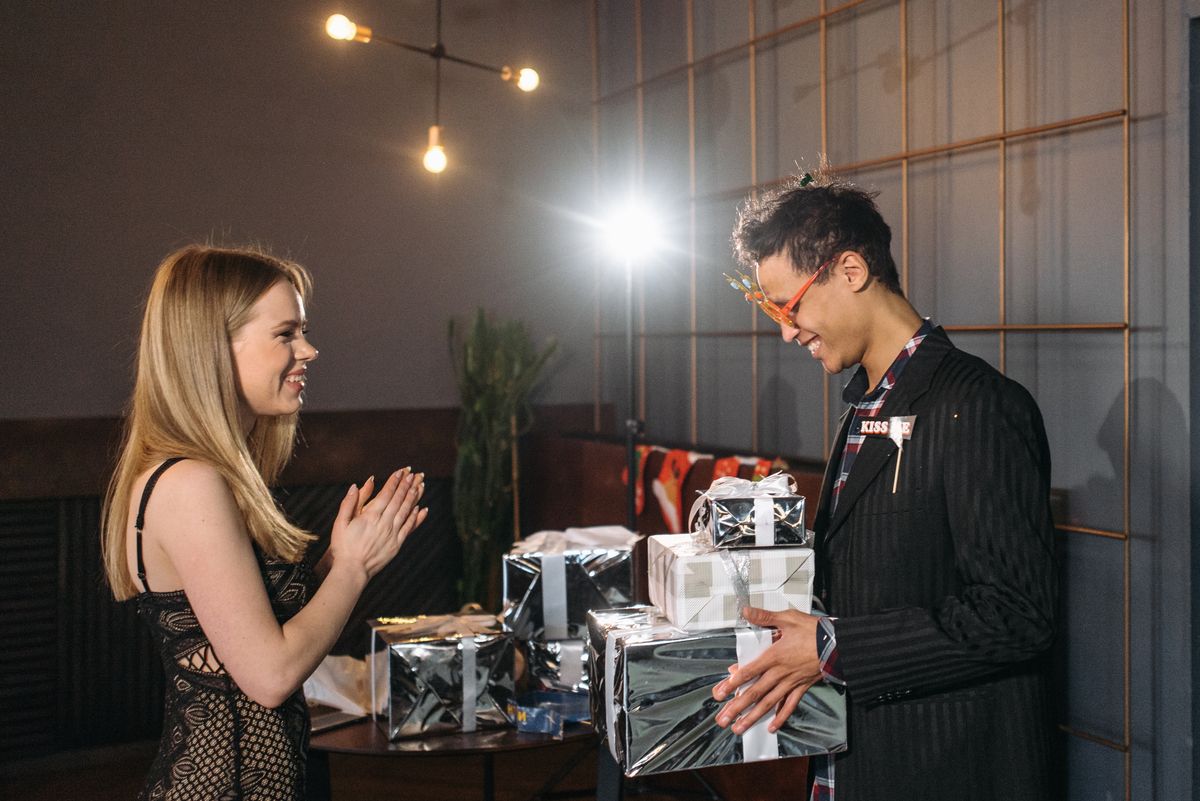
The statement about buying gifts for grandchildren you rarely see may sound like a financial complaint, but it often points to a deeper emotional issue.
Grandparents may want to feel included in their grandchildren’s lives. They want to watch them open presents, hear about school, attend birthday celebrations, and become part of their growing memories.
When those opportunities are repeatedly missed, the gifts can begin to feel like a reminder of the relationship they wish they had.
Acknowledge disappointment rather than pretending it doesn’t exist.
However, parents should also be careful not to make the children responsible for adult family disagreements. Grandchildren should not feel that they have to choose between their grandparents or their parents’ other relatives.
Understand That Your Son Has Another Family to Consider
When an adult son gets married, holiday arrangements become more complicated.
His wife may have parents, siblings, grandparents, and her own family traditions. She may also feel pressure to spend important occasions with relatives she does not see regularly.
Your son may be trying to maintain those relationships while also building traditions within his own household.
That does not mean his parents should always come second. But marriage does change how holiday decisions are made.
The key question is whether the couple genuinely tries to include both sides of the family or whether one side consistently gets all the attention.
There is a difference between sharing holidays unequally in a particular year and repeatedly excluding one side without discussion.
Related: Reasons People Cut Off Friends and Family as They Age
Stop Treating Expensive Gifts as a Substitute for Time Together
One difficult but important step is reconsidering how much money you spend on presents.
If you are buying expensive gifts because you hope your son will eventually arrange more visits, you may be setting yourself up for further disappointment.
Gifts should express affection, not pay for access to grandchildren.
You can still give your grandchildren presents while choosing an amount that fits comfortably within your budget.
For example, you might decide to buy one thoughtful gift for each child rather than several expensive presents. You could also send a card or arrange a small experience when you actually have time together.
Reducing your spending does not mean withdrawing your love. It means separating your financial decisions from expectations that other people may not fulfill.
Have an Honest Conversation With Your Son
Silence can allow resentment to build.
Your son may not realize how painful the repeated holiday arrangements have become. He may believe you understand the situation or assume that you are comfortable celebrating separately.
Instead of starting with accusations about his wife or her family, explain how the situation affects you.
You might say:
“I understand that you and your wife want to spend time with both families, and I respect that. But I have been feeling left out because we rarely get to celebrate with you and the children. I miss having those moments together, and I would like us to find a way to make time for both families.”
This approach focuses on the relationship rather than turning the discussion into a competition.
It also gives your son an opportunity to explain how he sees the situation.
Suggest a Holiday Arrangement That Feels Fairer
Expecting married children to divide every holiday equally can be unrealistic, particularly when relatives live far apart or have different schedules.
However, families can sometimes find arrangements that allow everyone to feel included.
For example, one family might host Thanksgiving while the other hosts Christmas. Another option is to alternate Christmas celebrations each year.
Some families celebrate on a different day when travel schedules make the actual holiday difficult.
No universal arrangement works for everyone. The important thing is to discuss decisions rather than have one family automatically receive priority every year.
If distance is a problem, a planned visit during another school break or a separate family gathering may help maintain the relationship.
Related: 9 Best Countries to Visit in Winter for an Unforgettable Holiday
Avoid Making Your Daughter-in-Law the Enemy
It can be tempting to blame the daughter-in-law when a son spends more time with her relatives.
But unless there is clear evidence of deliberate exclusion, assuming she is responsible may create unnecessary conflict.
Your son is an adult who participates in decisions about his household. Holiday arrangements are generally something couples negotiate together.
Approaching the situation as though you are fighting against his wife could put him in a difficult position and make future gatherings even more uncomfortable.
A better starting point is to speak directly with your son about the arrangements and how you would like the relationship with your grandchildren to develop.
If there is a genuine disagreement, both parents should be able to discuss it respectfully.
Set Boundaries Without Using the Grandchildren as Leverage
If the pattern continues despite honest conversations, you may need to establish financial and emotional boundaries.
You are not obligated to keep buying expensive gifts that strain your budget. You can also stop organizing elaborate celebrations when few people want to attend.
But avoid using presents as punishment or telling grandchildren they are receiving less because their parents do not visit.
Children should not be caught in the middle of disagreements between adults.
Instead, make your decisions calmly. Spend what you can comfortably afford, keep invitations reasonable, and leave room for the relationship to grow without constantly chasing it.
You can love your grandchildren deeply while accepting that you cannot control every family decision.
Related: 6 Family Reunion Games Everyone Will Want to Play
Build a Relationship With Your Grandchildren Beyond Christmas
The holidays can become an emotional measuring point for grandparents, but they are not the only opportunity to maintain family connections.
A birthday visit, an occasional phone call, a school event, or a simple afternoon together can become meaningful traditions.
Depending on the children’s ages and their parents’ preferences, you might suggest reading a bedtime story over a video call, sending occasional letters, or planning a special outing.
These gestures should be offered without making the children feel responsible for repairing adult relationships.
The goal is to create genuine connections rather than measure affection by how many holidays are spent under one roof.
Sometimes the Hardest Part Is Accepting That Family Traditions Have Changed
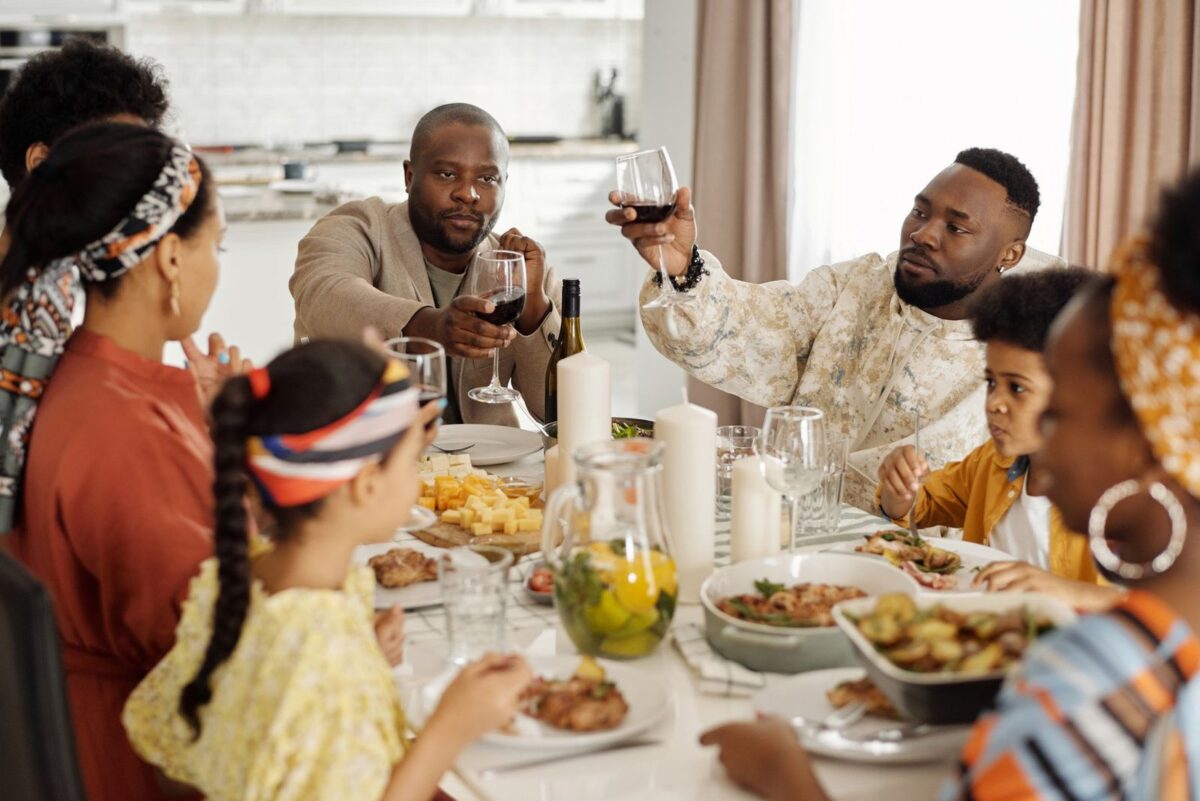
When children marry and establish their own households, the traditions their parents once enjoyed may change.
That adjustment can be painful, particularly for grandparents who imagined Christmas mornings, Thanksgiving dinners, and birthdays becoming regular family gatherings.
But a changing family routine does not automatically mean a grandparent is no longer loved or valued.
At the same time, adult children should understand that repeatedly overlooking one side of the family can cause genuine hurt.
Healthy family relationships require consideration from both generations. Parents must respect their adult children’s independence, while adult children should make reasonable efforts to maintain relationships with the people who raised them.
Perhaps the most useful first step is not canceling the gifts or demanding that your son choose sides. Instead, have an honest conversation about what kind of relationship everyone wants going forward.