Parents Have Followed These Five Food Rules for Years. It May Be Time to Rethink Them
Many parents remember following strict food rules at the dinner table. Now, experts suggest that some of these old habits could use a fresh look. Mealtime in many families comes with familiar rules: “Clean your plate,” “Eat your vegetables before dessert,” “Don’t snack before dinner,” and “You have to try everything on your plate.”
These rules have been handed down for generations. Most parents didn’t set them to be strict or controlling. They wanted their kids to be healthy, avoid wasting food, and learn good table manners.
But advice about feeding kids has changed over time. Today, many nutrition experts suggest focusing less on control and more on helping children build a healthy relationship with food.
This method, known as responsive feeding, encourages parents to offer healthy foods, set regular meal times, and guide their kids while letting them learn when they are hungry or full. It doesn’t mean kids can eat anything they want all day or skip every meal they don’t like. Instead, it’s about making mealtimes calmer and avoiding daily arguments over food.
“You Must Clean Your Plate”
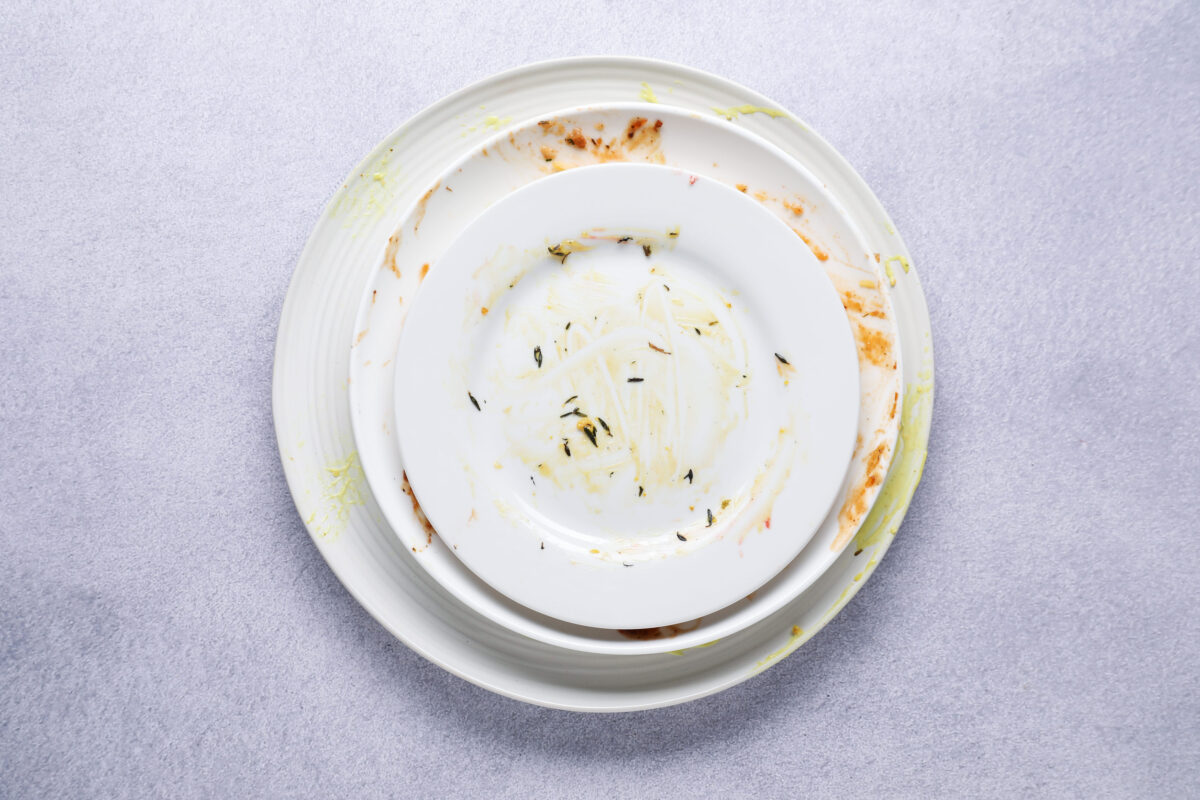
The clean-plate rule is one of the oldest food habits parents remember from childhood. Many grew up hearing that leaving food was wasteful or disrespectful. Kids were often expected to finish everything on their plate, even if they were already full.
Parents often had good reasons for this rule. They wanted their kids to value food, avoid wasting money, and get enough nutrients. For families who went through tough times, finishing every bite also showed gratitude and responsibility.
But now, experts question if making kids eat when they’re already full is a good idea. Children naturally know when they’re hungry or full. If adults keep telling them to ignore those feelings, kids may struggle to know when they’ve had enough.
The American Academy of Pediatrics suggests parents help kids notice when they’re hungry or full, instead of pushing them to eat more. Parents can decide what food to serve and when, while kids choose how much to eat. Serving small portions and letting children ask for more is often better.
“No Dessert Until You Finish Your Vegetables”
Many parents have used dessert as a reward for eating vegetables. The idea is simple: finish your broccoli, carrots, or peas, and then you get something sweet. It makes sense—parents know vegetables are healthy, and most kids like sweet foods. When a child refuses vegetables, dessert can seem like a good motivator.
But experts say this approach can backfire. If kids have to eat vegetables to get dessert, they might start thinking veggies are bad and dessert is the real treat. Research shows that letting kids try new foods many times, without pressure, works better. Sometimes, children need to see and taste a food several times before they like it.
A better way is to serve vegetables often without making them a challenge. Instead of saying, “Eat your vegetables so you can have ice cream,” parents can say, “Tonight we have chicken, vegetables, and a small dessert. You can choose what you want to eat.” This helps kids see vegetables as a normal part of the meal.
“Snacks Are Bad and Will Ruin Dinner”
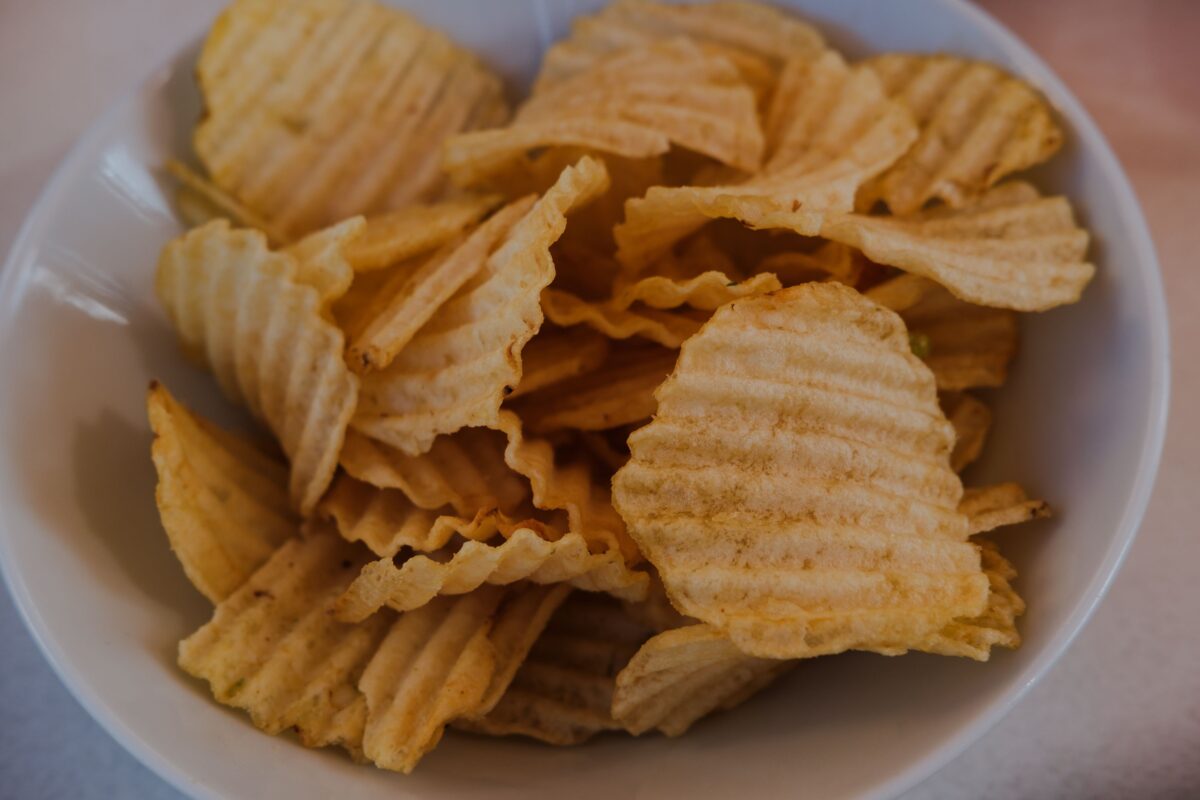
Many parents worry that snacks make kids refuse meals. They fear that eating between meals will leave children too full for dinner. This makes sense, especially since snacks are often thought of as chips, candy, cookies, or sugary drinks. But experts say the real problem isn’t snacks themselves, it’s usually a lack of routine.
Young children have small stomachs and often need food between meals to keep up their energy. The Academy of Nutrition and Dietetics recommends regular meals and snacks as part of a healthy routine. Instead of banning snacks, parents can offer planned, healthy options. Good snacks might be fruit and yogurt, cheese and crackers, or veggies with hummus.
The idea is to avoid letting kids eat all day while still giving them regular snacks. Having set snack times can make meals easier, since kids won’t come to the table too hungry or upset.
“Children Should Never Eat Junk Food”
Many parents try to cut out candy, chips, soda, fast food, and desserts from their kids’ diets. They do this to protect their children, knowing kids need healthy foods and should avoid too much sugar, salt, and unhealthy fats.
But experts warn that banning certain foods can make them even more tempting. Kids may want foods they think are off-limits. Research shows that being too strict about food can affect how children eat over time. Setting limits without being extreme is often a better approach.
This doesn’t mean kids should have sweets all the time. Instead, parents can teach balance. Some foods are for every day and help kids grow, while others are treats for special occasions. The goal is to avoid making kids feel bad about food, while still encouraging healthy habits.
“You Have to Eat Food You Hate”
Picky eating is a big challenge for many parents. After working hard on a meal, it’s tough to hear, “I don’t like it.” Many parents respond by asking their kids to take a few bites or finish food they don’t like.
Parents usually mean well. They want their kids to try new foods and have more choices. But experts say forcing kids to eat foods they dislike can make them resist even more. Kids often need to see and try new foods several times, without pressure, before they accept them.
The American Academy of Pediatrics says kids may need to try a new food many times before they get used to it. It helps to keep offering new foods along with ones they already like.
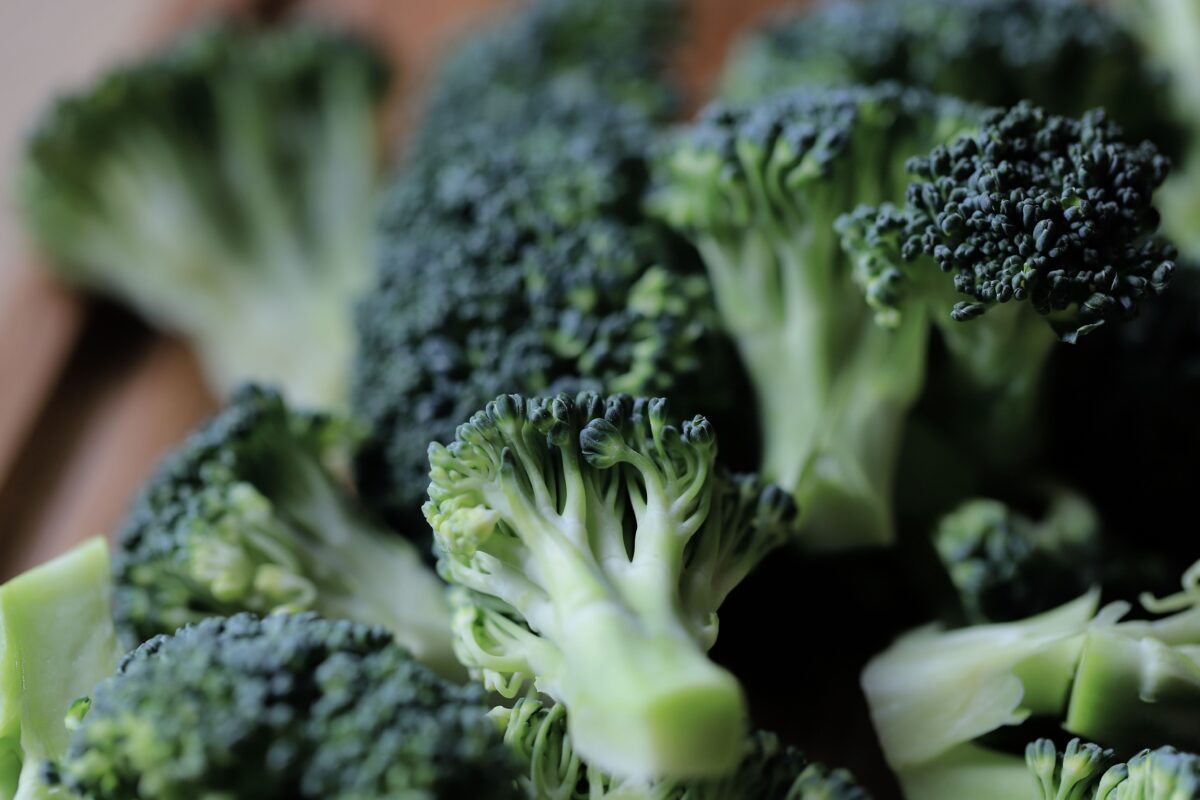
A child who says no to broccoli today might like it months later if it’s cooked differently. The goal isn’t to win every dinner table battle, but to help kids become curious and comfortable with different foods.
Raising Healthy Eaters
Feeding kids is about more than making them finish their vegetables or follow strict rules. It’s about helping them build confidence, curiosity, and a good relationship with food. Parents still play a big part by choosing what foods are available, setting routines, and showing healthy habits. But kids also need room to learn about their own bodies and figure out what they like.
No parent gets every meal right. Some days kids eat well; other days, they hardly eat at all. That’s a normal part of growing up.