Raw Milk Is Legal to Buy in More Than 3 Dozen States, and These States Just Loosened the Rules
For most of the last century, raw milk was something only farm families drank. Today it’s one of the hottest fights in American food policy. More than three dozen states now allow some form of raw milk sales, and lawmakers in statehouses across the country are pushing to make it even easier to buy.
This year alone, states have raised sales limits, dropped permit rules and allowed farmers to advertise unpasteurized milk for the first time. At the same time, public health officials are sounding the alarm, pointing to a string of illness outbreaks tied to raw dairy products. Here’s where raw milk laws stand, which states changed their rules in 2026, and why the debate keeps heating up.
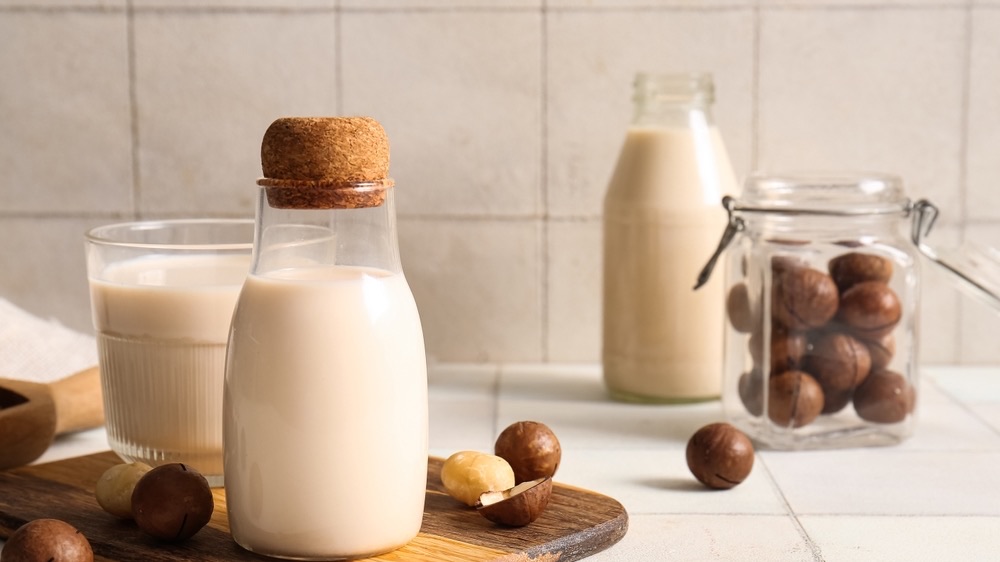
What Raw Milk Is
Raw milk is milk that hasn’t been pasteurized. Pasteurization heats milk, commonly to at least 161 degrees Fahrenheit for 15 seconds, to kill harmful germs. It became standard in the early 1900s and is credited with dramatically reducing illnesses once linked to milk.
Raw milk fans say they prefer its taste and want the freedom to buy it directly from local farms. Public health agencies, including the FDA, warn that raw milk can carry bacteria such as E. coli, Salmonella and Listeria. That clash is at the center of nearly every new bill.
How Many States Allow It
According to an Associated Press investigation, more than three dozen states allow raw milk sales in some form. The rules vary widely. Some states only allow sales on the farm where the milk is produced. Others allow sales at farmers markets, and a smaller group lets raw milk sit on regular grocery store shelves.
Federal law adds another layer. The FDA bans raw milk from being sold across state lines for human consumption, which is why raw milk is almost always a local product. A federal bill would loosen that rule between states that allow raw milk, but it hasn’t passed.
Oklahoma Raised Its Limit 15 Times Over
One of the biggest changes this year happened in Oklahoma. Gov. Kevin Stitt signed Senate Bill 2028 in late May, raising the monthly cap on direct raw milk sales from 100 gallons to 1,500 gallons per farm. That’s 15 times the old limit.
The law also allows farmers to advertise raw milk products sold on the farm, something that wasn’t allowed before. Sales must still happen at the farm where the milk is produced, according to Food Safety News, and raw milk still can’t be sold in Oklahoma stores or at farmers markets.
New Hampshire and Oregon Changed Their Rules Too
New Hampshire passed a 2026 law that lets raw milk producers advertise their products, as long as every container carries a state-approved warning label. Sales off the farm and sales above certain volume limits still require a license.
Oregon made it simpler for small farms to sell directly. Producers who sell raw milk straight from the farm no longer need a state permit, though they must notify the state that they plan to sell. Very small producers selling less than 500 gallons a month are exempt from some testing requirements.
The States Still Debating It
More bills are working their way through other statehouses. The AP found more than 40 bills introduced by late April that would make it easier to buy, sell or drink raw milk, in 18 states controlled by both parties.
New Jersey, one of the few states where raw milk sales are still banned, is considering a bill that would create a permit program. A Republican state senator who sponsored it asked why people can buy cigarettes and alcohol but not raw milk. In Iowa, a bill would let farmers sell raw milk at farm stores next to their other products. Two Missouri bills would allow raw dairy in grocery stores and farmers markets with a warning label and herd testing.
Why the Push Is Growing Now
Raw milk has gained a much bigger spotlight in the past two years. Health Secretary Robert F. Kennedy Jr. has spoken in favor of raw milk and drank it publicly, and posts about raw milk have surged on social media. Dairy farmers told the AP they can barely keep it in stock, even though prices can exceed $10 or even $20 a gallon.
For small dairies, raw milk can be a lifeline. Selling directly to customers lets farmers charge far more than they’d earn selling milk to processors, where prices are set by the market. That economic pull is a big reason why farm groups support many of the new bills.
Why Health Officials Are Worried
Public health experts say wider access will likely mean more outbreaks. The AP reported that there had been at least five outbreaks tied to raw dairy in a single year, including one linked to raw milk cheddar cheese from California’s Raw Farm that sickened nine people with E. coli, half of them children under 5.
Food scientists point out that pasteurization has little effect on milk’s nutrition and has prevented countless illnesses. Some states that expanded access have tried to balance the risks with warning labels and testing rules, but critics say those steps don’t remove the danger.
How Raw Milk Rules Differ by State
Because each state writes its own rules, buying raw milk can look completely different from one state line to the next. In some states, you can only buy it by driving to a licensed farm and picking it up in person. In others, you can find it in the dairy case at a natural foods store, often with a warning label.
A few states that ban retail sales allow what are called herd shares or cow shares. In these arrangements, a customer buys part ownership of a cow or herd and pays the farmer to board and milk it, then receives a share of the milk. Colorado is one state where direct sales remain illegal but herd-share arrangements are allowed, according to a state legislative memo. Critics say herd shares are a loophole, while supporters see them as a reasonable compromise.
What It Means for Shoppers
If you live in a state that allows raw milk, you may start seeing it advertised more often, especially at farm stands and local dairies. If you live in a state that bans it, the rules may change soon, depending on what your lawmakers decide.
Either way, the raw milk debate isn’t going away. It touches on food freedom, small-farm survival and public health all at once, which is why it lights up comment sections and statehouses alike. Our sister site has followed a similar fight over lab-grown meat, where states are taking the opposite approach and banning a new product instead.