Skip the Sauce-Bottle Parade: This Beef and Broccoli Comes Together in One Skillet
Beef and broccoli does not need a sauce that sends you hunting through three grocery aisles. A practical home version gets its flavor from soy sauce, brown sugar, garlic, ginger, and sesame oil, with cornstarch for a glossy finish. Mix the sauce in a bowl, cook the broccoli and beef separately in the same skillet, then combine them. The process is straightforward; the real trick is getting your ingredients ready before you turn on the burner.
The method below follows cookbook author and recipe developer Natasha Kravchuk’s published Beef and Broccoli recipe, which serves four and lists 30 minutes for preparation and cooking. This version has no oyster sauce, separate marinade, or cooking wine. “A good stir fry should be simple,” Kravchuk writes. Here, simple means a manageable ingredient list and one sauce mixture, not skipping the small details that help keep the beef tender and the broccoli from turning mushy.
The Sauce Is a Bowl-and-Stir Job
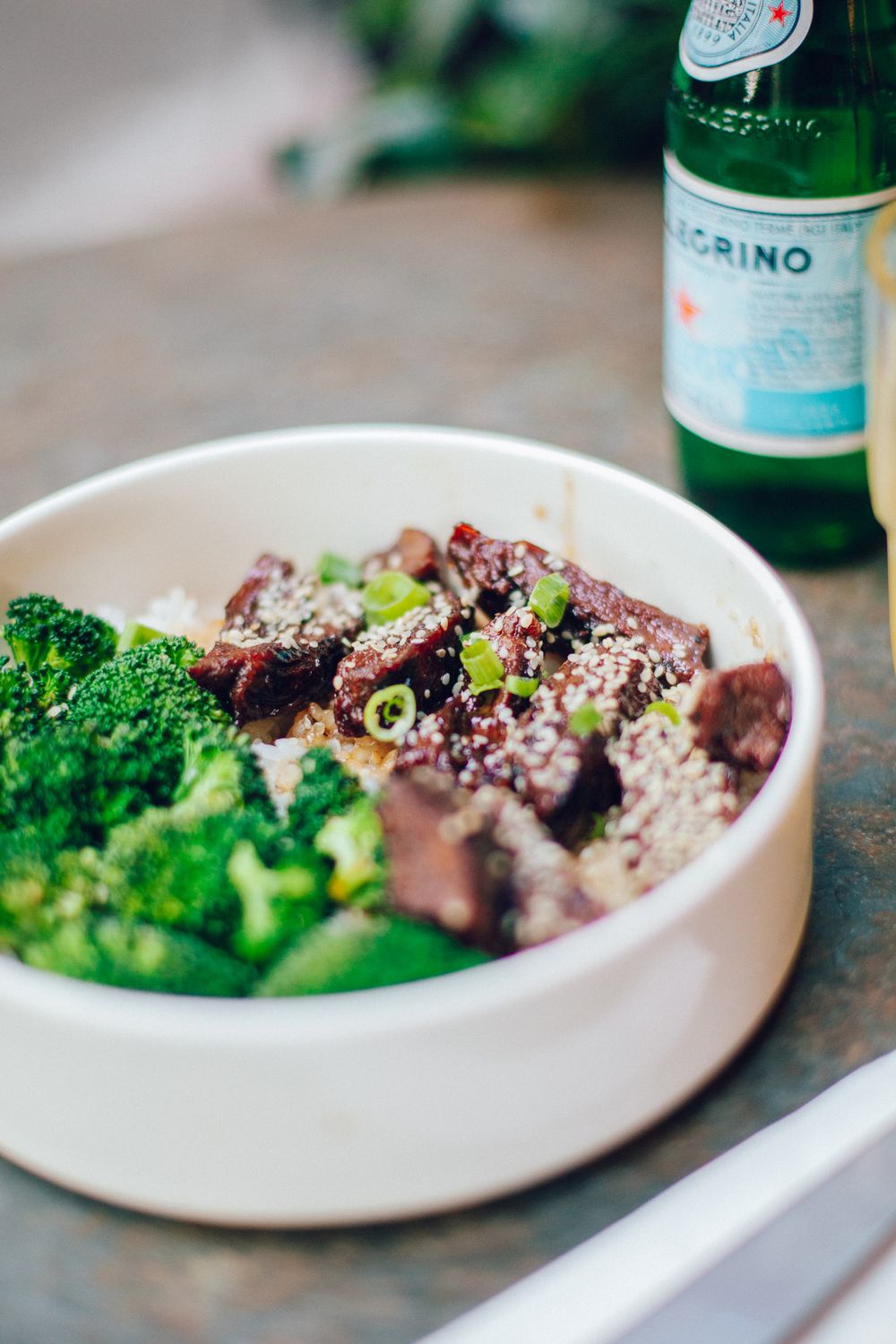
For four servings, gather 1 pound flank steak, 1 pound fresh broccoli cut into florets, and 2 tablespoons olive or vegetable oil, divided. Optional sesame seeds can finish the dish. The broccoli quantity comes to about six cups of florets in Kravchuk’s recipe, so this isn’t a beef dinner with three token pieces of green tucked around the edges. Have a large skillet, a lid, and a clean plate ready for the cooked vegetables.
For the sauce, combine ½ cup hot water, 6 tablespoons low-sodium soy sauce, 3 tablespoons packed light brown sugar, 1½ tablespoons cornstarch, and 2 tablespoons sesame oil. Add 1 teaspoon grated fresh ginger, 2 teaspoons grated garlic, and ¼ teaspoon black pepper. Stir thoroughly to dissolve the sugar and disperse the cornstarch. This single bowl contains the seasoning and thickener, so you don’t need a second sauce halfway through cooking.
The ingredient list may look long, but each addition serves a clear purpose. Soy sauce supplies the savory seasoning, brown sugar balances it with sweetness, and garlic and ginger give the mixture its aromatic character. Cornstarch thickens the liquid once it simmers. The Woks of Life’s Bill Leung likewise identifies a cornstarch-and-water mixture as the thickening agent for beef and broccoli, although his restaurant-style recipe uses a different sauce. Follow one formulation rather than combining quantities from both.
Low-sodium soy sauce is important to this particular recipe, not just an optional label on the bottle. Kravchuk specifies it and also offers gluten-free tamari as an alternative. If you need a gluten-free meal, check the actual product label rather than assuming every soy sauce qualifies. Keep the ginger measurement modest, too: her guidance notes that fresh ginger has a strong flavor. More isn’t automatically better when the goal is a balanced sauce that coats dinner rather than overwhelms it.
Slice First, Cook Fast
Cut the flank steak thinly against the grain, aiming for slices between ⅛ and ¼ inch thick, then shorten them into bite-sized strips. Kravchuk suggests freezing the steak for about 30 minutes to make slicing easier. That is an optional preparation aid, not time you should quietly hide inside a “30-minute dinner” promise. If you use it, allow the extra elapsed time. The benefit is firmer meat that stays in place while you make thin, even slices.
Finish cutting the broccoli and mixing the sauce before heating the skillet. This prep makes a quick stir-fry genuinely manageable. Once cooking starts, you don’t want to grate ginger while the beef waits, or discover the soy sauce bottle is empty when the pan is already hot. If you are serving rice, start it early enough to be ready when the stir-fry is finished; the recipe lists it as an accompaniment, not part of the skillet cooking.
Set the skillet over medium heat and add 1 tablespoon of oil. Add the broccoli and cook for four to five minutes, partially covered, stirring or tossing several times until bright green and crisp-tender. For softer broccoli, Kravchuk recommends adding 2 tablespoons of water before covering to help steam it. Transfer the cooked broccoli to the clean plate. Taking it out now gives the beef its own cooking stage and prevents the vegetables from spending unnecessary extra time in the pan.
Raise the heat to high, add the remaining tablespoon of oil, and arrange the beef in a single layer. Kravchuk’s recipe calls for approximately two minutes per side, or until cooked through. Avoid crowding the skillet; she notes that an overloaded pan cools down and steams rather than sears. Work in batches if your skillet can’t comfortably fit the meat. Unfortunately, a smaller pan doesn’t get bigger just because dinner is running late.
Related: The Salad That Gets Better Overnight and It’s the Smartest Thing You Can Make This Week
Let the Sauce Finish the Dinner
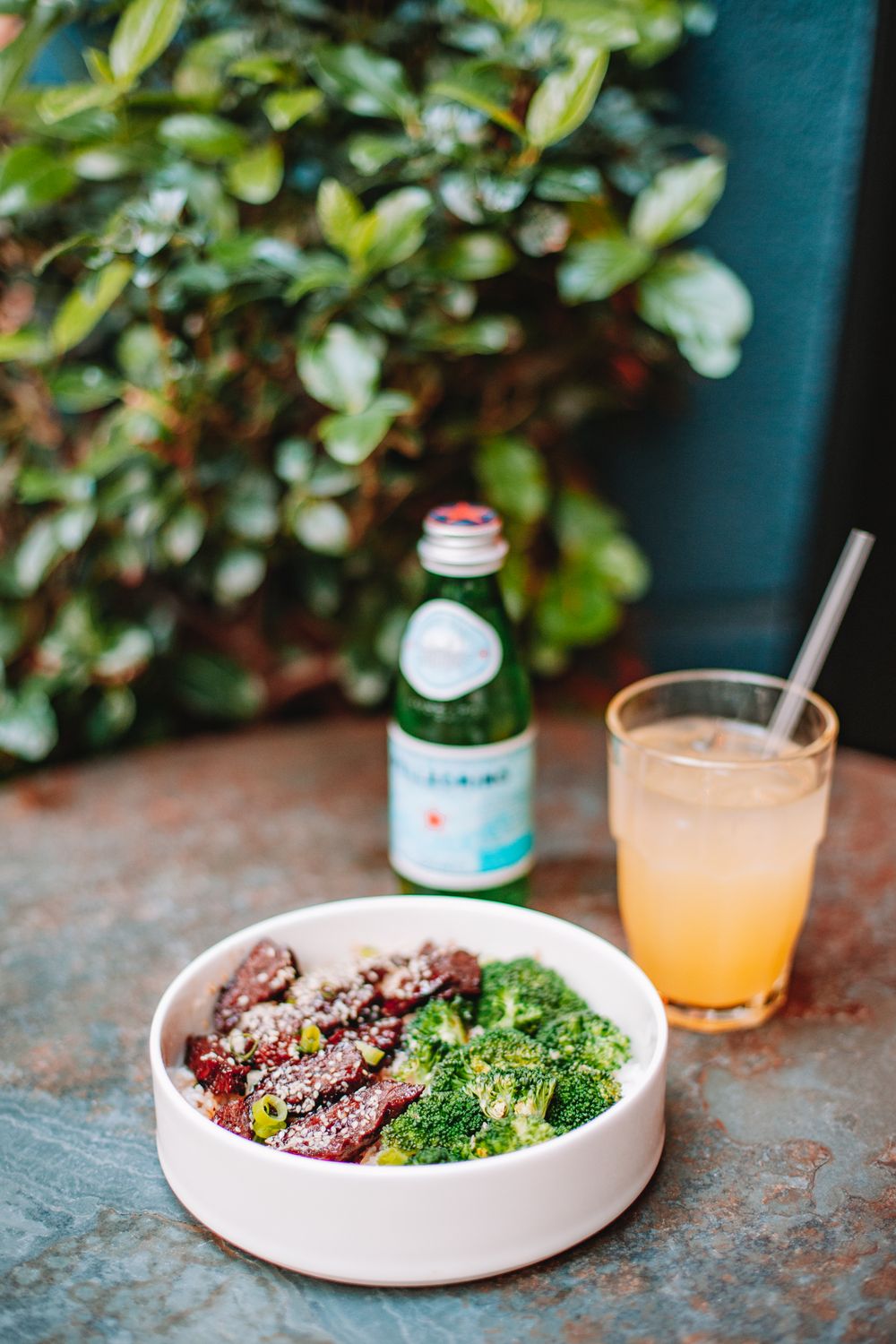
Add the prepared sauce to the cooked beef, reduce the heat to medium-low, and simmer for three to four minutes. The sauce should thicken during this stage, coating the meat instead of remaining a thin puddle. Kravchuk also recommends simmering for at least three minutes to mellow the garlic and ginger. This is why the sauce belongs in a hot pan for a few minutes rather than being poured over the finished food at the table like a dressing.
Return the broccoli and stir until everything is coated. If the sauce is thicker than you prefer, add 1 to 2 tablespoons of water, as the recipe allows, then serve over cooked rice. Resist solving a texture issue with a generous extra splash of soy sauce: that changes the seasoning rather than simply loosening the mixture. Finish with sesame seeds if you have them, but do not let a missing garnish turn into another shopping errand. The beef, broccoli, and sauce already constitute the dish.
Fresh broccoli is the recommended choice here. Kravchuk avoids frozen broccoli in this recipe because it can soften too much, release liquid, and dilute the sauce. That doesn’t make frozen vegetables unsuitable for every dinner; it just means this method was developed around fresh florets. The bigger lesson is to keep the variables manageable: thinly sliced beef, separately cooked broccoli, and a premeasured sauce. You do not need a complicated condiment collection, just a little organization before the skillet starts doing its work.