Trump Administration Pushes to Reduce Immigration Asylum Backlog as Officials Promise Faster Processing and Stronger Enforcement
The U.S. immigration system has faced a growing challenge for years: a massive backlog of asylum cases waiting for decisions.
Now, President Donald Trump’s administration says it is moving to address the problem by making the process more efficient, reducing delays and increasing immigration enforcement efforts.
The White House has presented the plan as part of a broader effort to improve government operations and speed up immigration decisions. Officials argue that reducing the asylum backlog will allow the government to focus resources on cases that require attention while making the system move faster.
A massive backlog has slowed the asylum system for years.
The asylum process allows people who fear persecution in their home countries to request protection in the United States.
However, the system has struggled under the weight of a growing number of applications. According to data from the Executive Office for Immigration Review (EOIR), immigration courts have carried large numbers of pending cases, creating delays that can leave applicants waiting for years before receiving a final decision.
The backlog affects both migrants and government agencies.
For people seeking asylum, long waiting periods can create uncertainty about their future. For immigration officials and courts, large numbers of unresolved cases can make it harder to process new applications quickly.
The Trump administration says its goal is to reduce these delays by improving efficiency and increasing enforcement coordination across immigration agencies.
Trump officials say faster decisions will strengthen enforcement.

President Trump has made immigration enforcement a central part of his administration’s agenda.
The White House has said that reducing the asylum backlog will help create a system where immigration officials can make quicker decisions and focus on cases involving people who do not qualify for legal protection.
The administration argues that lengthy delays can encourage more illegal immigration because some migrants may remain in the United States while their cases move through the system.
Officials have emphasized that faster processing would allow legitimate asylum claims to receive decisions sooner while allowing authorities to remove individuals whose applications do not meet legal requirements.
The administration’s immigration policies and announcements are available through the White House official website and the U.S. Department of Homeland Security.
How the asylum process works under U.S. law
The asylum system is designed to protect individuals who can show they face persecution based on specific legal grounds.
According to U.S. Citizenship and Immigration Services asylum guidance, applicants must generally demonstrate a well-founded fear of persecution connected to factors such as race, religion, nationality, political opinion or membership in a particular social group.
The process includes interviews, background checks, evidence reviews and, in many cases, immigration court proceedings.
Because each case requires individual review, immigration officials have argued that simply increasing speed is not enough. The system also requires enough resources, personnel and technology to handle cases properly.
Supporters of Trump’s approach say improving efficiency will make the system more credible by reducing years-long waits and preventing abuse of the process.
Critics warn speed must not come at the expense of due process.
While reducing delays has broad support across the political spectrum, disagreements remain over how quickly the government should move.
Immigration advocates argue that asylum seekers must have enough time and legal access to present their cases. They warn that rushing decisions could increase the risk of people with valid protection claims being denied.
The debate reflects a long-running challenge in U.S. immigration policy: balancing enforcement with humanitarian responsibilities.
The United States is required under domestic and international law to review asylum claims fairly. At the same time, immigration officials face pressure to manage a system that has experienced years of rising demand.
The role of immigration agencies in clearing the backlog
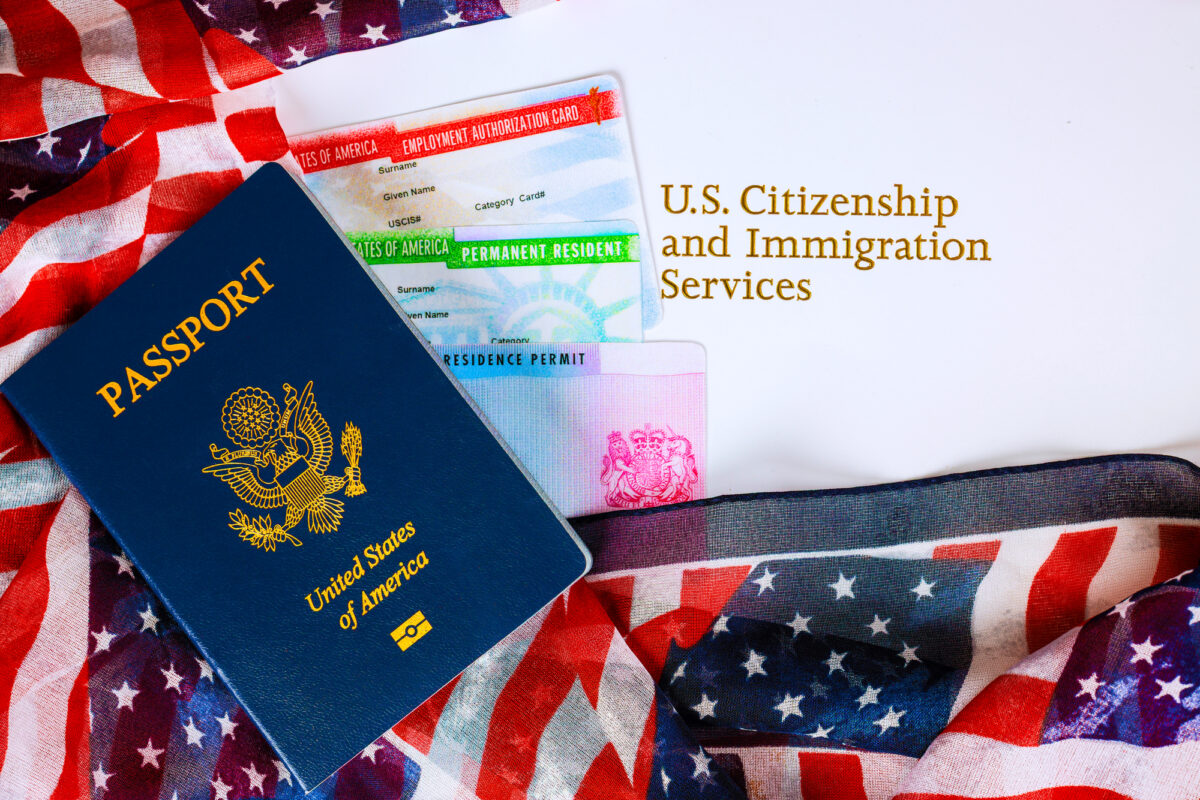
Reducing the asylum backlog will require cooperation between several federal agencies.
U.S. Citizenship and Immigration Services (USCIS) handles many asylum interviews and immigration applications, while the Executive Office for Immigration Review (EOIR) oversees immigration courts.
The Department of Homeland Security (DHS) manages border security and immigration enforcement operations through agencies including U.S. Immigration and Customs Enforcement and U.S. Customs and Border Protection.
Any attempt to reduce the backlog will likely depend on staffing levels, court capacity, enforcement priorities and changes to processing procedures.
A political battle over the future of immigration
The effort to reduce the asylum backlog comes as immigration remains one of the most debated issues in American politics.
Republicans have argued for years that the system needs stronger enforcement and faster removals for people who do not qualify to remain in the country.
Democrats and immigration advocates have often focused on protecting asylum access and ensuring that people fleeing danger receive fair consideration.
The Trump administration’s approach represents a shift toward prioritizing enforcement and faster case decisions.
Whether the plan succeeds will depend on whether federal agencies can process cases more quickly while maintaining the legal protections built into the asylum system.
The challenge ahead
The asylum backlog did not develop overnight, and reducing it will likely require long-term changes rather than a single policy announcement.
A faster immigration system could benefit both government agencies and migrants by reducing years of uncertainty. However, the process must still maintain accuracy and fairness for people seeking protection.
For the Trump administration, the mission is clear: reduce delays, increase efficiency, and strengthen immigration enforcement.
The coming months will show whether those goals can be achieved while navigating one of the most complicated and politically sensitive issues in the United States.