Why Charging Your Phone to 100% May Harm It’s Battery Life
Many smartphone users believe that fully charging their devices is harmless or even ideal. In reality, charging habits play a crucial role in battery longevity, and fully topping off your battery repeatedly can accelerate wear.
Understanding the chemistry and mechanics of lithium-ion batteries helps explain why certain charging patterns preserve capacity while others degrade it faster.
Lithium-Ion Batteries Have Limits
Vitalijus Via Pexels
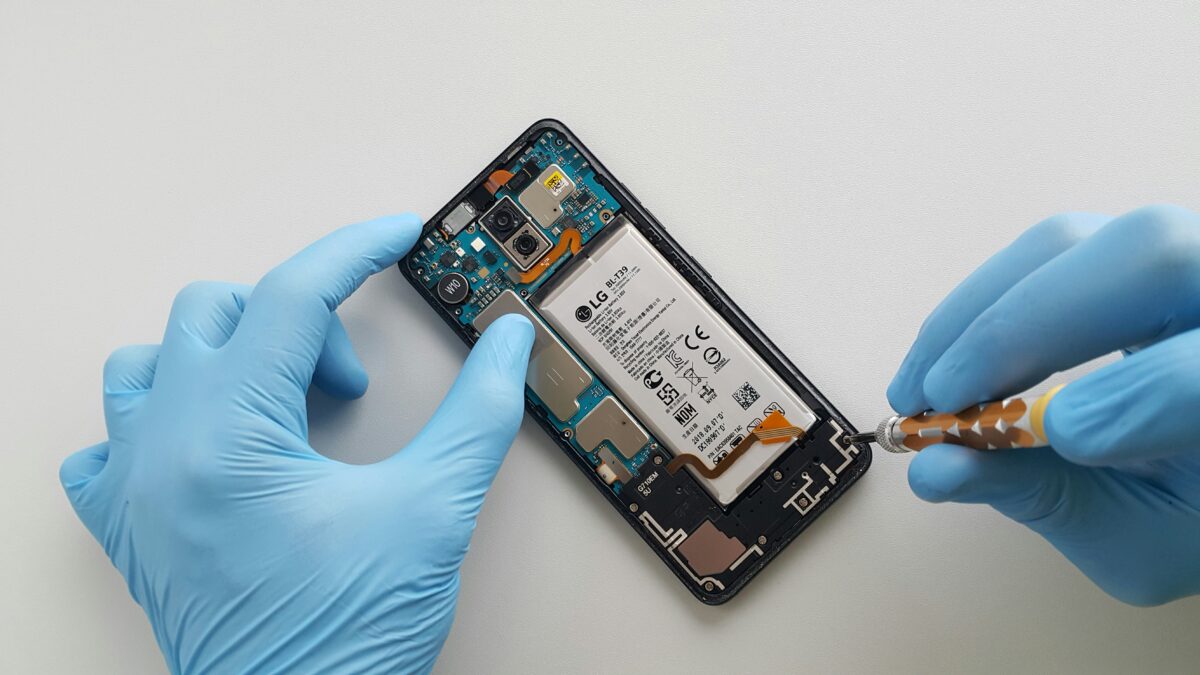
Smartphones mostly use lithium-ion batteries, which rely on chemical reactions between electrodes and electrolytes to store energy. These batteries perform best within a specific voltage range, usually between 20% and 80% of full capacity.
Charging to 100% pushes the battery close to its maximum voltage, which increases stress on the internal chemistry and can accelerate capacity loss over time. Conversely, letting a battery drain completely also introduces stress, making moderate charging cycles optimal for long-term health .
Heat Accelerates Degradation
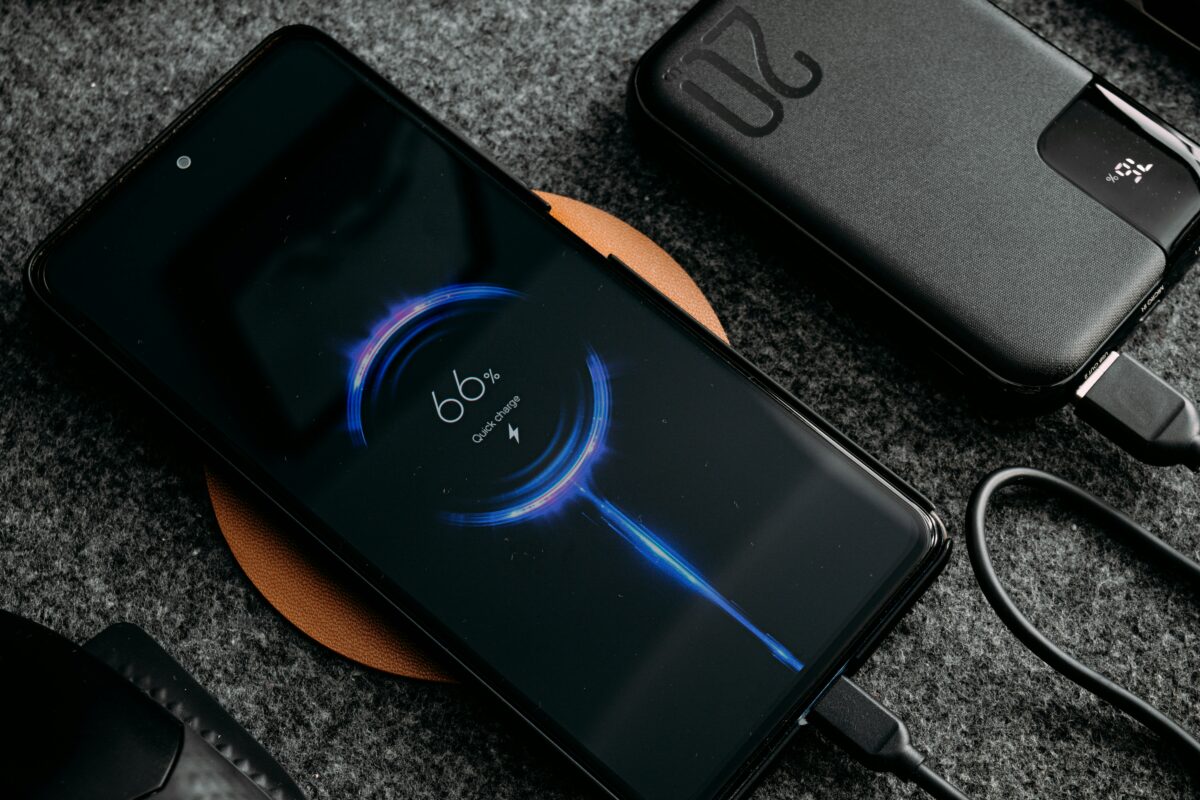
One hidden factor in battery wear is heat. Fully charging a phone generates more heat because higher voltages increase the battery’s internal resistance. Excessive heat damages the electrodes and electrolyte, reducing the total charge the battery can hold.
Devices left plugged in overnight or exposed to high temperatures while charging experience compounded stress, which is why battery experts advise avoiding high-temperature charging conditions whenever possible .
Partial Charges Extend Lifespan
Research indicates that keeping a battery in the 20–80% charge window significantly prolongs its usable life. Partial charges reduce voltage stress and heat exposure, allowing the battery to undergo more charge cycles before noticeable capacity loss occurs.
Users can adopt practical strategies such as unplugging when the battery reaches 80%, using adaptive charging features on newer phones, or scheduling overnight charging to stop before reaching full capacity. These small adjustments minimize chemical strain and slow degradation .
Fast Charging Adds Stress
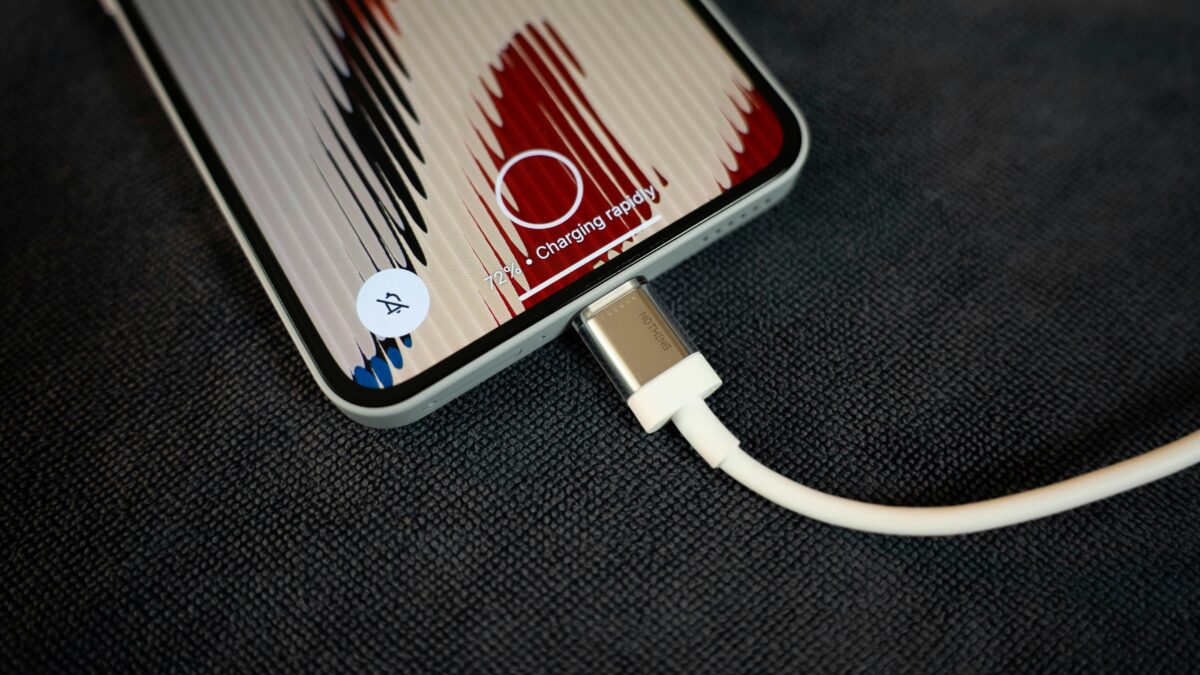
Rapid charging technologies, while convenient, can accelerate battery wear when used continuously.
High currents accelerate chemical reactions and generate more heat. While modern phones manage these effects with internal controls, consistent fast charging combined with frequent full charges can still reduce overall lifespan.
Alternating between normal and fast charging and avoiding repeated overnight top-ups can help preserve battery health.
Signs Your Battery Is Aging

Even with careful charging, all batteries age. Reduced runtime, slower charging, and unexpected shutdowns indicate diminishing capacity.
Tracking battery health through device settings or third-party apps can help identify when the battery’s efficiency drops below optimal levels. Awareness allows users to adjust their habits and plan replacements before performance deteriorates significantly.
Practical Charging Recommendations
- Avoid charging from 0% to 100% whenever possible.
- Keep devices in moderate charge levels, ideally 20–80%.
- Reduce exposure to heat during charging.
- Use adaptive or scheduled charging features to control peak voltage.
- Limit constant overnight or rapid charging sessions.
Following these guidelines can help maintain your phone’s battery capacity, reduce the need for early replacements, and keep daily performance stable. While fully charging isn’t immediately catastrophic, understanding the long-term effects of voltage stress and heat enables smarter, healthier charging habits.