10 Clear Signs Of A Toxic Relationship And How To Recognize The Damage Early
A toxic relationship rarely begins with obvious chaos. It often starts with charm, closeness, constant attention, and the feeling that someone finally “gets” us. Then the mood changes. Small criticisms become the norm, private boundaries start to shrink, and love begins to feel like something we must earn through silence, obedience, or emotional survival.
We need to understand toxic relationships with clear eyes because they can appear in romantic relationships, friendships, family bonds, workplaces, and even long-standing social circles. Not every unhealthy relationship is abusive, but patterns such as intimidation, isolation, financial control, humiliation, and threats can cross into abuse. Emotional and verbal abuse can cause serious short-term and long-term harm, even without physical violence.
Gaslighting and Emotional Manipulation
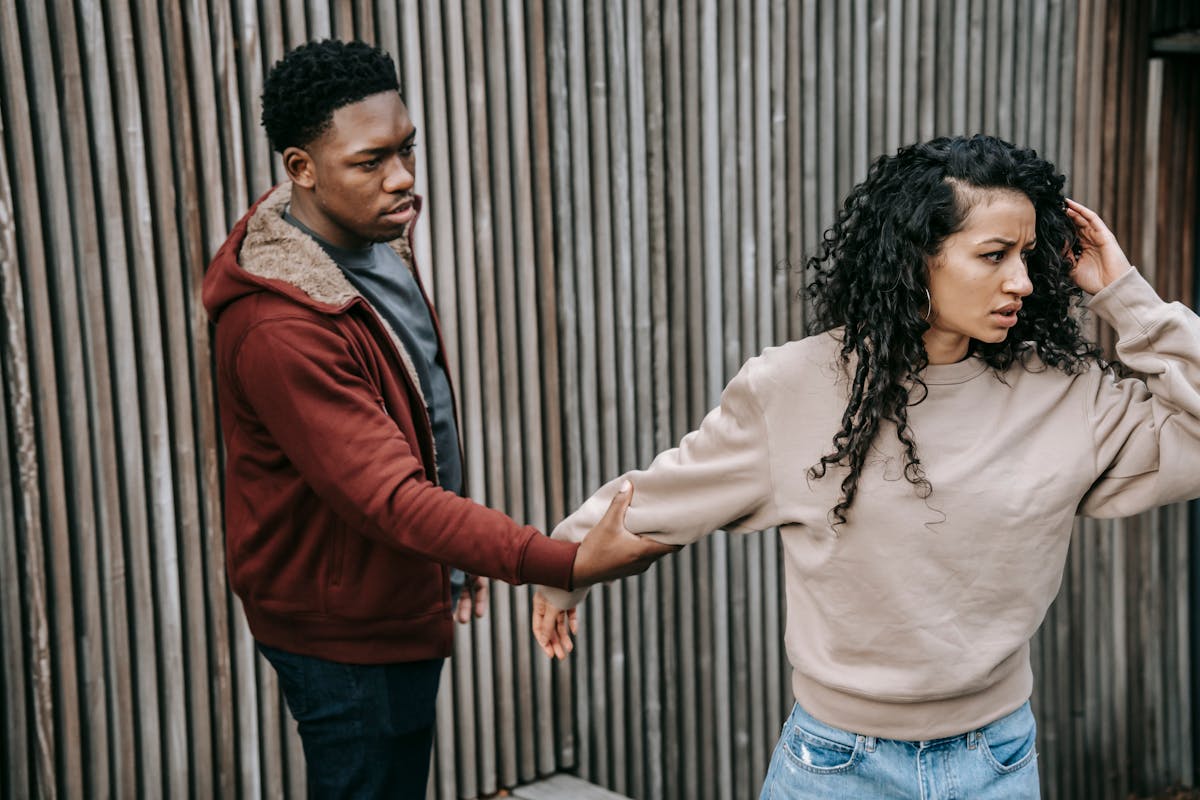
Gaslighting happens when someone repeatedly makes us question our memory, judgment, or sense of reality. They may deny things they clearly said, insist we are “too sensitive,” rewrite past events, or accuse us of causing the very conflict they created. The goal is not honest disagreement. The goal is confusion.
In a toxic relationship, manipulation can also look like guilt trips, silent treatment, emotional blackmail, fake apologies, or sudden affection after cruelty. The person may say, “You made me act this way,” or “No one else would tolerate you.” Over time, we may stop trusting our instincts and start depending on the toxic person to define what is real. That dependency is dangerous because it makes leaving or setting boundaries feel impossible.
Excessive Control Over Daily Choices
Control is one of the most serious toxic relationship signs because it often hides behind concern. A controlling person may question what we wear, who we see, how long we stay out, what we post online, or how quickly we reply to messages. They may demand passwords, track our location, or expect constant updates about where we are and who we are with.
Healthy relationships allow closeness without ownership. Control treats another person like property. Guidance from women’s health authorities lists constant monitoring, password demands, jealousy, isolation from friends or family, financial control, and deciding personal choices for someone else as warning signs of emotional or verbal abuse.
Isolation From Friends, Family, and Support
Isolation is a quiet trap. A toxic partner, friend, or family member may not say, “You can never see them again.” Instead, they may criticize our loved ones, create drama before social plans, make us feel guilty for spending time elsewhere, or accuse us of betrayal when we maintain outside relationships.
Isolation makes the toxic person more powerful because our outside perspective shrinks. We stop hearing from people who remind us of who we were before the relationship became draining. WomensLaw describes isolation as a control tactic where an abuser cuts someone off from people who care about them, making the abuser feel like the only person left to turn to.
Extreme Jealousy Disguised as Love
Jealousy becomes toxic when it turns into suspicion, monitoring, accusations, or punishment. A jealous person may read innocent behavior as betrayal, accuse us of flirting, question every interaction, or demand proof of loyalty. They may say their jealousy proves they care, but love does not require surveillance.
This type of jealousy creates a relationship where we feel guilty before doing anything wrong. We may avoid friends, stop dressing the way we like, or hide normal conversations just to prevent conflict. The relationship becomes a courtroom, and we become the accused. No amount of reassurance feels like enough because the issue is not trust. The issue is control.
Walking on Eggshells Around Their Mood
A toxic relationship often teaches us to monitor another person’s mood more than our own needs. We study their tone, facial expressions, silence, and body language. We soften our opinions, delay hard conversations, and rehearse words before speaking because one wrong sentence could cause an argument, insult, withdrawal, or rage.
Walking on eggshells is emotional labor that never ends. It can make home, friendship, or partnership feel unsafe even when no one is shouting. The body stays alert because peace feels temporary. Chronic stress can affect physical and emotional functioning, and intimate partner violence is linked with depression, post-traumatic stress symptoms, chronic health problems, and harmful coping behaviors.
Blame Shifting and No Real Accountability
A toxic person may apologize without changing. They may say the right words, then repeat the same behavior. When confronted, they shift blame to stress, childhood wounds, alcohol, jealousy, our tone, our friends, or our “overreaction.” The pattern is simple: they hurt, we explain, they deflect, and we end up comforting them.
Accountability sounds different. A person who is truly accountable can name what they did, understand the impact, accept consequences, and change behavior without making us beg for basic respect. In toxic relationships, the harmed person often carries the emotional workload. We become the investigator, therapist, peacekeeper, and apology coach, even though we were the one hurt.
Unhealthy Communication That Turns Conflict Into Combat

Every relationship has conflict. Toxic relationships turn conflict into combat. Instead of listening, one person may yell, insult, interrupt, mock, threaten, stonewall, or bring up old mistakes to win the argument. The goal becomes domination, not understanding.
Healthy communication does not require perfect calm every second, but it does require respect. We should be able to disagree without being humiliated. We should be able to raise a concern without it becoming a personal attack. When conversations routinely leave us shaking, crying, apologizing for having feelings, or feeling less human, the relationship has moved into harmful territory.
Financial Control and Money Restriction
Financial control is one of the most overlooked signs of a toxic or abusive relationship. It can include controlling all income, blocking access to bank accounts, demanding receipts, sabotaging work, creating debt in someone else’s name, or giving an “allowance” while refusing transparency. The person being controlled may feel trapped because leaving requires money, documents, transportation, and privacy.
Financial abuse is especially dangerous because it attacks independence. The National Network to End Domestic Violence describes financial abuse as behavior that manipulates, intimidates, or threatens a victim to keep them trapped, and reports that it occurs in 99% of domestic violence cases.
Digital Monitoring and Privacy Invasion
Digital control has become one of the clearest modern signs of a toxic relationship. A toxic partner may demand phone passwords, read private messages, check call logs, monitor social media activity, track location, or insist that privacy means secrecy. They may also use shared devices, cloud accounts, cameras, or apps to watch someone without consent.
A healthy relationship does not require surrendering every private space. Trust does not mean open access to every message, account, and movement. Privacy protects individuality. Secrecy hides betrayal. Toxic people often blur that difference so they can frame surveillance as loyalty.
Emotional Neglect and Lack of Support
A relationship can be toxic through absence as much as aggression. Emotional neglect occurs when one person repeatedly dismisses, ignores, or minimizes another person’s needs. They may disappear during hard moments, mock vulnerability, avoid meaningful conversation, or show up only when they want comfort, attention, money, or validation.
This pattern hurts because it creates loneliness in connection. We may technically have a partner, friend, or family member, yet feel emotionally abandoned. Healthy relationships do not require someone to fix every problem, but they do require care, presence, and respect. When our pain is treated as an inconvenience, the relationship is no longer emotionally safe.
Threats, Intimidation, and Fear
Threats are serious, even when someone later claims they “didn’t mean it.” Threats can include physical harm, self-harm, exposing private information, taking children, destroying property, ruining someone’s reputation, calling immigration authorities, or making someone lose work. Intimidation can also involve punching walls, blocking exits, reckless driving, weapon display, or harming pets.
Fear changes the entire meaning of a relationship. We cannot call something healthy when one person is afraid to speak, leave, disagree, or say no. If there is immediate danger, emergency services are the priority. In the U.S., the National Domestic Violence Hotline can be reached at 800-799-7233, and people experiencing suicidal thoughts can also reach out.
What a Healthy Relationship Feels Like Instead
A healthy relationship does not mean constant happiness. It means emotional safety. We can speak without fearing punishment. We can disagree without being degraded. We can have privacy without being accused. We can keep friendships without being guilted. We can make mistakes without becoming someone’s permanent target.
Healthy relationships have repair. Someone may say the wrong thing, but they listen when confronted. They apologize without turning themselves into the victim. They respect boundaries even when disappointed. They care about impact, not just intention. Most of all, we feel more like ourselves in the relationship, not less.
Conclusion
Toxic relationships do not always announce themselves with obvious cruelty. They often arrive through small concessions, repeated excuses, and a slow loss of self-trust. The warning signs matter because they help us name what confusion tries to hide: love should not require fear, silence, isolation, humiliation, or emotional exhaustion.
We deserve relationships where respect is steady, conflict is safe, boundaries are honored, and care does not come with control attached. When a relationship keeps making us feel smaller, weaker, and less free, the question is no longer whether the other person has good moments. The question is what the pattern is doing to our life, our health, and our sense of self.