Josh Hokit’s Michelle Obama “Compliment” Defense Just Made His UFC Win Look Worse
Josh Hokit had the kind of night most fighters spend years chasing.
He won on a massive UFC stage. He got the microphone. He had the spotlight, the crowd, and the chance to turn one victory into a bigger public moment.
Then the fight stopped being the story.
After defeating Derrick Lewis at UFC Freedom 250, Hokit made a false gender-related remark about former First Lady Michelle Obama during his post-fight interview. The backlash came quickly. But instead of stepping away from the fire, Hokit later tried to explain that he thought he was giving Obama a “compliment.”
That explanation may be the part that keeps the controversy alive.
A Victory That Should Have Been The Headline

For Hokit, the win itself should have carried the night.
Derrick Lewis is one of the most recognizable heavyweights in UFC history, a fighter known for his power, personality, and viral moments. Beating him should have given Hokit a clean story: rising fighter gets a major win, seizes a bigger platform, and pushes his name into the conversation.
Instead, the conversation shifted almost instantly.
The victory became background noise. The remark became the headline. That is a brutal trade for any athlete trying to build momentum.
In combat sports, attention is currency. But not all attention pays the same.
One Post-Fight Line Changed The Room
Post-fight interviews are emotional. Fighters are tired, full of adrenaline, and often desperate to say something memorable before the camera moves on.
That may explain why some athletes reach for shock value. It does not automatically excuse what comes out.
Hokit’s comment about Michelle Obama did not land like normal trash talk. She was not his opponent. She was not part of the fight. She was not standing across from him in a promotional feud.
That is why many critics saw the moment as unnecessary and mean-spirited. It dragged a former first lady into a cage-side victory speech that should have been about the bout.
Supporters may argue Hokit was being provocative, not malicious. Critics may respond that public microphones come with public consequences.
The “Compliment” Defense Did Not Calm The Backlash
The strangest part of the controversy may be Hokit’s explanation.
In a later interview, he said he believed he was complimenting Michelle Obama by highlighting strength, toughness, and resilience. On paper, that sounds like an attempt to soften the blow.
In reality, it may have made the story harder to move past.
A comment can be explained without being accepted. Many people may hear the “compliment” defense and wonder why praise had to come wrapped in a false and personal remark. Others may see the explanation as a clumsy effort to reframe something that already landed badly.
That is the problem with viral damage control. Once the public decides a remark sounds ugly, the explanation has to be stronger than the outrage.
This one may not be.
Michelle Obama’s Name Made The Moment Bigger
This story exploded partly because of who was targeted.
Michelle Obama is not just another celebrity. She is a former first lady, a bestselling author, a public speaker, and one of the most recognizable women in American public life. Any comment about her carries political and cultural weight before the speaker even finishes the sentence.
There is also a longer history here.
Michelle Obama has faced years of false, personal, and often cruel attacks about her identity and appearance. That history matters because it shapes how new remarks are received. For many readers, Hokit’s line did not sound like a fresh joke. It sounded like a recycled insult from a familiar playbook.
That is why the reaction reached beyond MMA fans.
This was no longer just a fight-night controversy. It became another flashpoint in America’s endless argument over celebrity, politics, respect, and free speech.
The White House Setting Raised The Stakes
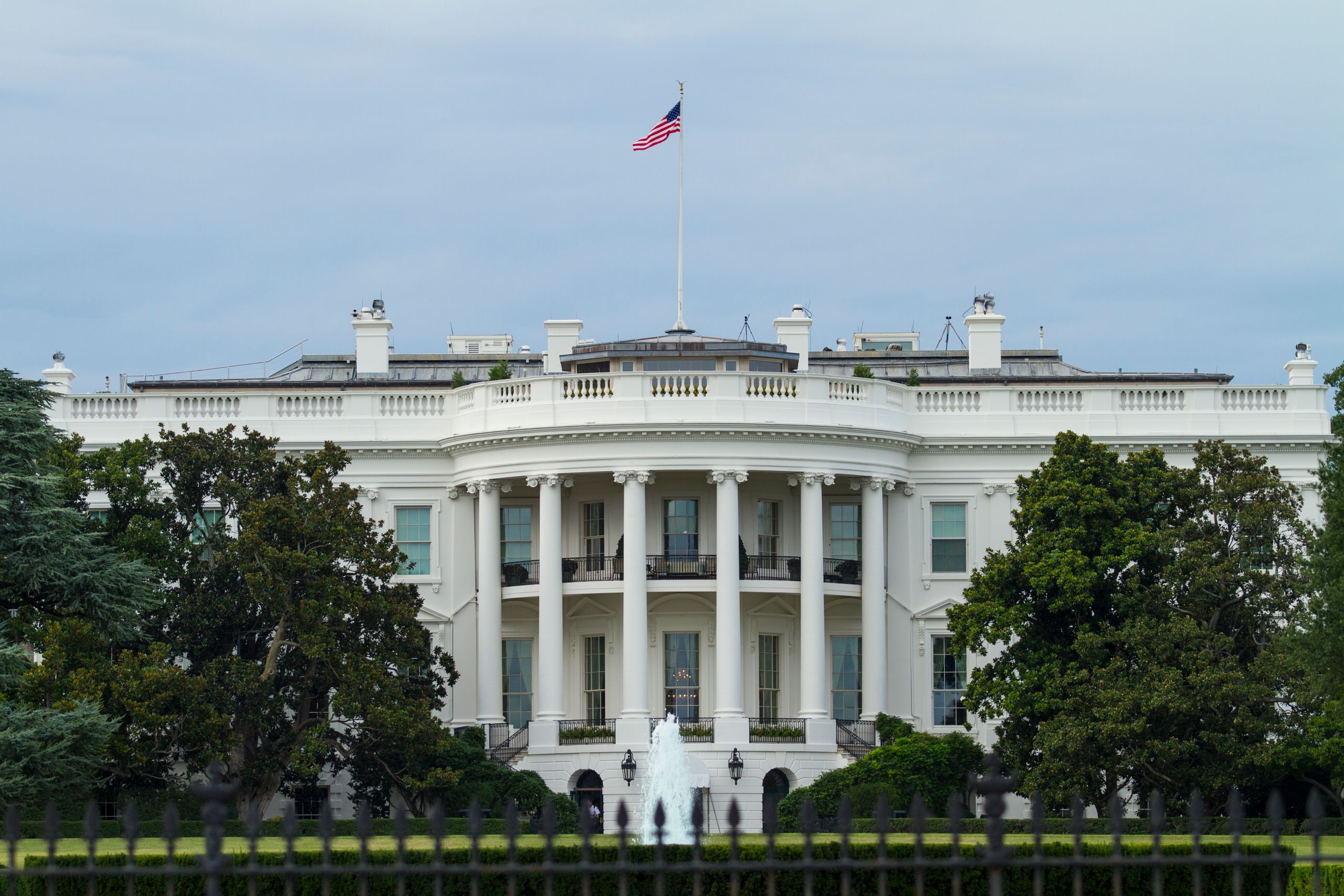
The location made everything louder.
UFC Freedom 250 was not simply another fight card in Las Vegas or New York. It was staged in a highly symbolic political setting, with national attention already attached to it. That changed the atmosphere around every moment.
A rough comment at a regular UFC event might still draw criticism. A rough comment connected to a White House spectacle feels bigger, sharper, and more politically loaded.
That is part of why the backlash traveled so quickly.
The setting gave the controversy a second life. It allowed critics to argue that the event blurred the line between sports entertainment and political theater. It gave supporters a reason to defend the spectacle as bold, patriotic, and unfiltered.
Either way, Hokit’s words became part of something larger than one fighter’s interview.
Dana White’s Reaction Added Pressure
Dana White is not known for running a soft, overly cautious sports brand.
That is why his criticism mattered.
When the UFC boss publicly disapproved of the remark, it sent a clear signal. Even in a sport built around violence, trash talk, and huge personalities, there are still moments that can create problems for the brand.
That does not mean every fan will agree with White. Some may argue that UFC has always thrived on fighters who say wild things and refuse to act polished. Others may say there is a clear difference between selling a fight and targeting someone outside the cage with a false personal claim.
That divide is exactly why the story keeps breathing.
The UFC sells chaos. But it also has to manage the cost of that chaos.
The Free Speech Argument Will Keep The Comments Burning
Hokit’s defenders may lean hard into free speech.
That argument will absolutely resonate with some readers. In today’s media climate, many people are tired of apologies, outrage cycles, and public pile-ons. They may see Hokit as another athlete being punished for saying something controversial.
But free speech is not the same thing as guaranteed applause.
A public figure can say something. The public can respond. Sponsors, fans, bosses, and media outlets can react. That is not censorship. That is the marketplace of attention doing what it always does.
The debate centers on where the line should be.
Was Hokit just being unfiltered? Was the backlash too much? Or did he take a victory moment and use it to punch down at someone who had nothing to do with the fight?
That argument is tailor-made for NewsBreak comments.
A Fighter Can Win The Bout And Still Lose The Narrative
The harsh truth for Hokit is simple: winning was not enough to control the story.
He entered the post-fight interview with momentum. He left it with a controversy. Then his “compliment” explanation gave critics another reason to keep talking.
That does not mean his career is finished. Combat sports fans have short memories when the next knockout arrives. Controversy can even build a certain kind of following, especially among fans who reward fighters for refusing to sound polished.
But this moment may follow him longer than the win itself.
That is the risk of chasing a viral line in a public arena. Sometimes the crowd remembers the punch. Sometimes it remembers the words after the punch.
For Josh Hokit, the fight ended in victory. The argument did not.
And that may be the part he cannot easily walk back.