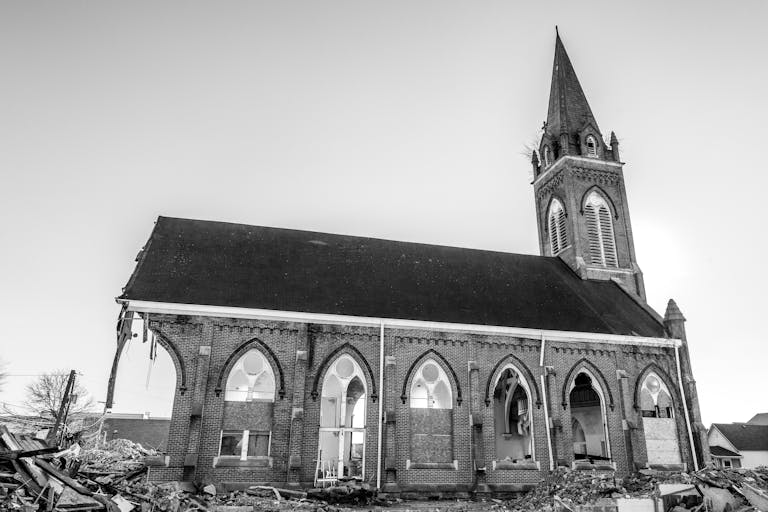
10 Countries Already Devastated by Climate Change
The climate crisis isn’t coming; it’s here, striking nations across the globe with unrelenting force. From rising sea levels in the Pacific to extreme heat in Africa and hurricanes in the Americas, entire populations are facing disasters once unimaginable. These ten countries show that no corner of the Earth is safe. Here’s how climate change is wreaking havoc and why the world can’t ignore the warning signs any longer.
Kiribati
Scattered across the Pacific, Kiribati faces rising tides that swallow homes, roads, and farmland. Saltwater contaminates freshwater, while storms erode beaches at alarming rates. Traditional crops fail as soil becomes saline, pushing residents toward costly imported foods. Entire communities are considering relocation as survival becomes impossible. Kiribati is the starkest warning of how climate change can erase a nation from the map, showing the human cost of global warming.
Bangladesh
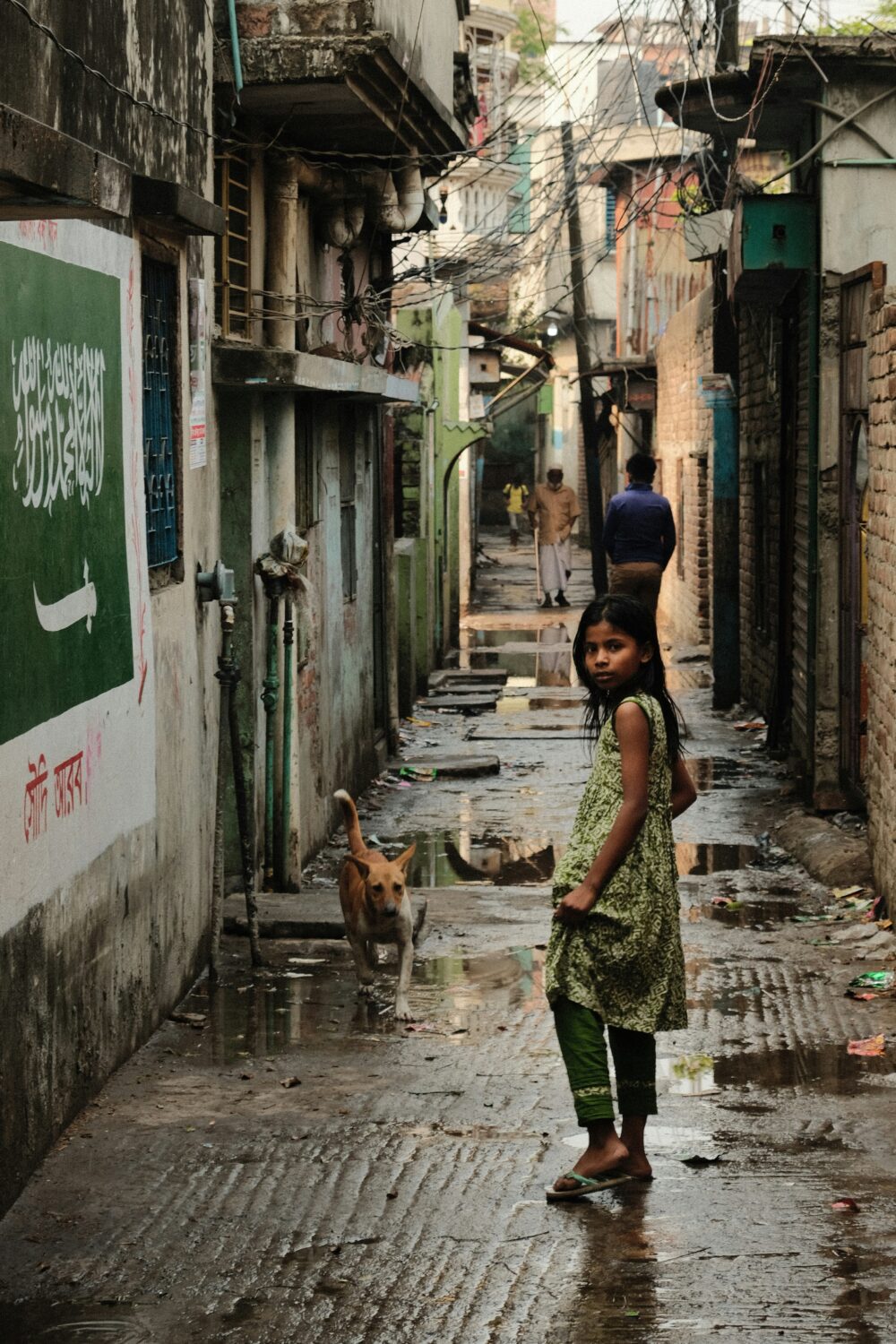
Bangladesh endures some of the world’s deadliest floods, with monsoons and cyclones becoming increasingly severe. Low-lying delta regions are repeatedly submerged, displacing millions of residents each year. Crop destruction and contaminated water supplies intensify poverty and hunger. Coastal cities face daily threats from storm surges, forcing residents to take temporary shelter. Bangladesh’s ongoing struggle demonstrates how climate change fuels recurring humanitarian crises.
Maldives
The Maldives, a chain of low-lying islands in the Indian Ocean, is losing ground to rising seas. Luxury resorts and fishing villages alike face severe erosion and saltwater intrusion. Coral reefs, crucial for marine biodiversity and coastal protection, are dying due to warming waters. Drinking water becomes scarce as aquifers are contaminated. The Maldives exemplifies the extreme vulnerability of small island nations to climate-driven sea-level rise.
Somalia
Somalia’s recurring droughts, driven by shifting rainfall patterns, devastate agriculture and livestock. Farmers and herders struggle to maintain their livelihoods, leading to widespread food insecurity. Water scarcity forces communities to travel long distances for survival, fueling social unrest. Extreme heat worsens conditions, making basic subsistence a daily struggle. Somalia highlights the brutal reality of climate change in regions dependent on agriculture for survival.
Puerto Rico
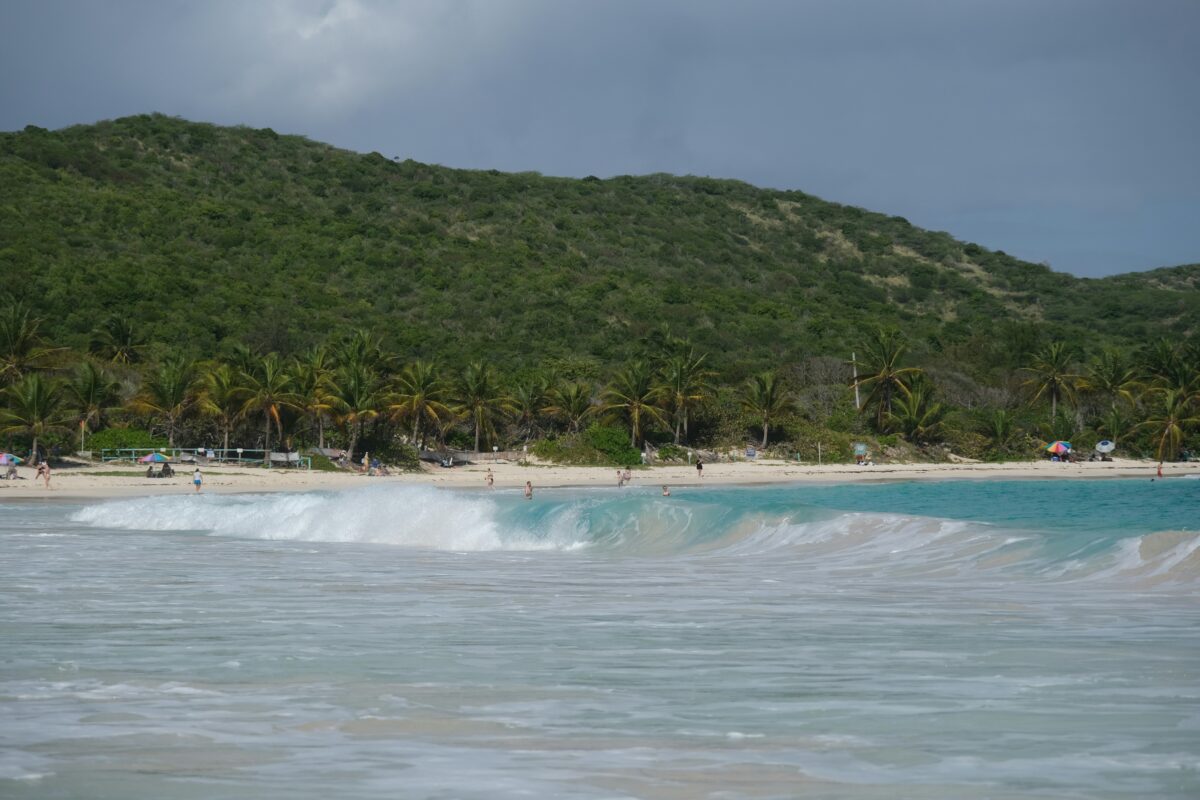
Puerto Rico faces more frequent and powerful hurricanes, with storms destroying infrastructure, homes, and power grids. The island’s economy suffers as tourism, agriculture, and services are disrupted. Flooded roads and collapsed buildings hinder emergency responses and access to healthcare. Communities are forced to rebuild repeatedly, eroding social stability. Puerto Rico exemplifies how climate change amplifies natural disasters, leaving populations exposed and vulnerable.
Australia
Australia’s bushfires have grown more frequent and intense due to rising temperatures and prolonged droughts. Entire forests and wildlife habitats are destroyed, and air quality drops drastically. Communities are evacuated as homes burn, with economic losses in agriculture and tourism piling up. Heatwaves exacerbate fire conditions, making prevention nearly impossible. Australia’s fiery seasons are a living example of how climate change can create catastrophic disasters on a massive scale.
Venezuela
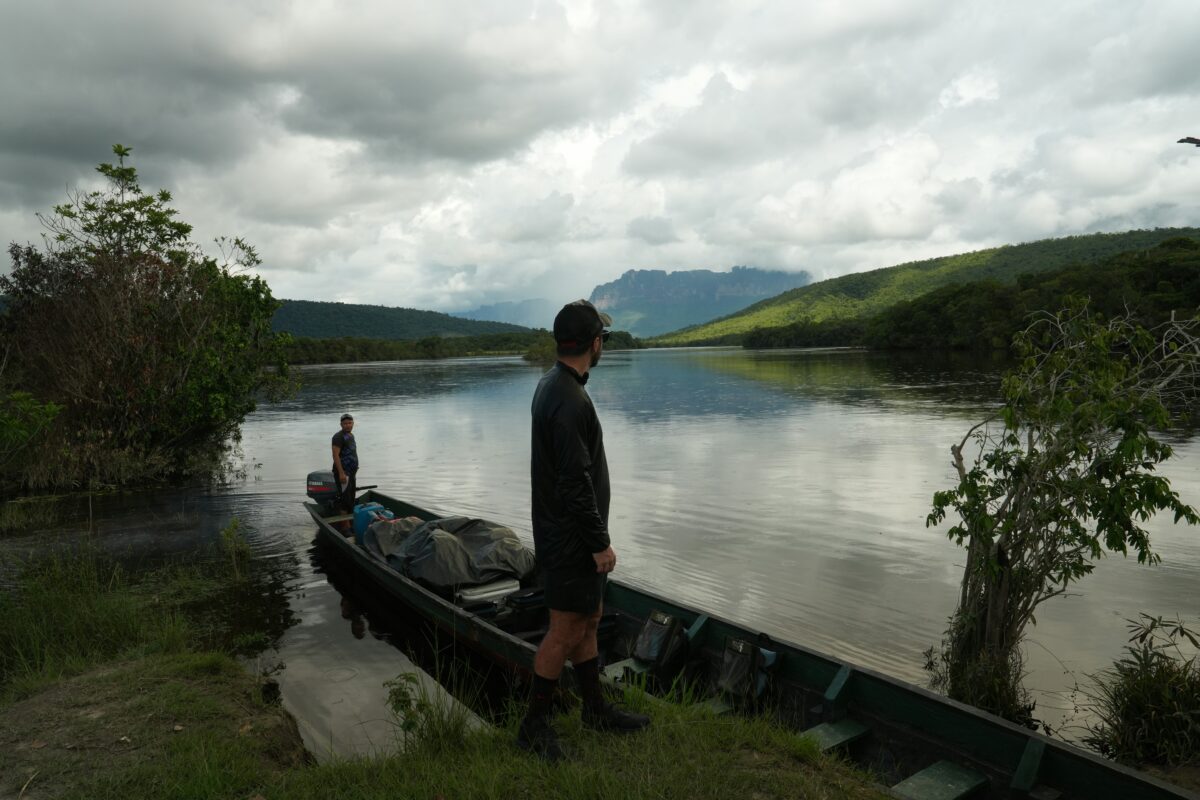
Rising temperatures, erratic rainfall, and river flooding worsen Venezuela’s food and water shortages. Agriculture suffers as crops fail and livestock perish, intensifying existing economic and social crises. Cities face power outages and water contamination, creating public health emergencies. Residents struggle to secure basic necessities amid environmental and political instability. Venezuela demonstrates how climate change compounds existing vulnerabilities, making crises far more destructive.
Madagascar
Madagascar is battered annually by cyclones that destroy homes, roads, and rice fields. Erratic rainfall and droughts devastate staple crops, leading to widespread hunger. Coastal erosion and rising seas threaten fishing villages and marine ecosystems. Relief efforts are hampered by poor infrastructure and economic constraints. Madagascar’s challenges illustrate how climate change combines multiple environmental threats into relentless pressure on vulnerable populations.
Philippines
The Philippines faces frequent typhoons, rising sea levels, and landslides due to climate change. Coastal communities are repeatedly submerged, destroying livelihoods and displacing families. Flooded farmland reduces food security, and storm damage disrupts essential services such as healthcare and education. Cities like Manila struggle to protect millions of residents from recurrent disasters. The Philippines underscores how densely populated, low-lying regions are at extreme risk from environmental instability.
Kenya
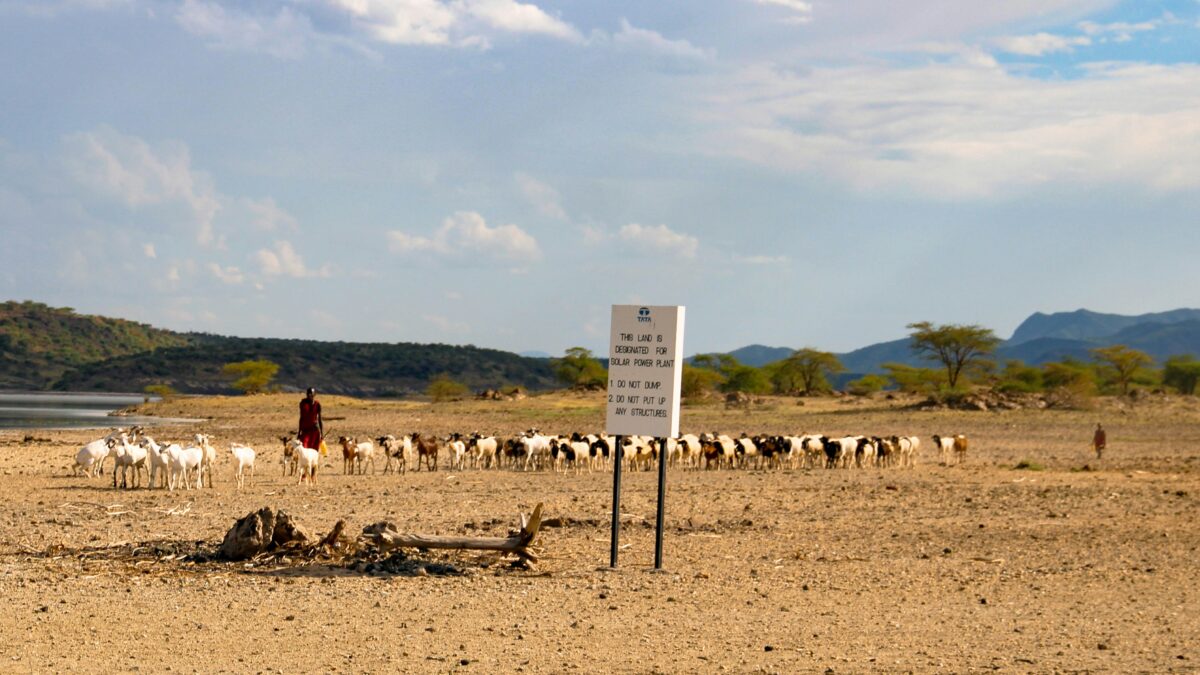
Kenya’s pastoralist communities face worsening droughts that decimate livestock and crops. Rivers and lakes dry up, creating water scarcity for people and animals alike. Food insecurity intensifies, forcing people to migrate to urban centers or refugee camps. Heatwaves increase the risk of wildfires and public health crises. Kenya demonstrates that even inland nations are not immune to climate change, which disrupts rainfall patterns and devastates livelihoods across Africa.
Conclusion
These ten countries reveal that climate change is already rewriting life on Earth. Rising seas, extreme weather, droughts, and collapsing ecosystems are no longer hypothetical; they are daily realities. The human, economic, and cultural toll is immense and demands urgent global attention.