The World’s Lakes Are Dying, and Humanity Is Paying the Price
Freshwater lakes have long been symbols of life and stability, providing drinking water, food, and habitat for countless species. Today, they are disappearing at alarming rates, leaving parched landscapes, collapsing ecosystems, and displaced communities in their wake.
The crisis is global, affecting every continent in different ways, from glacial-fed lakes in Asia to massive inland seas in Africa. Here are 10 shocking reasons the world’s lakes are vanishing and why it matters.
Climate Change Intensifies Evaporation
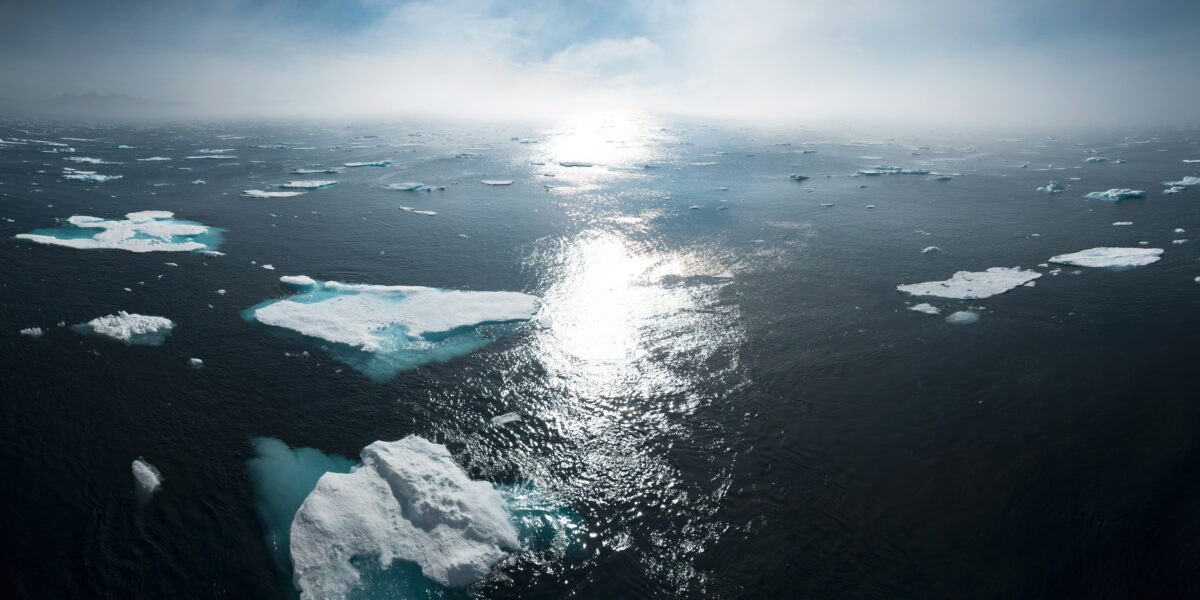
Rising global temperatures accelerate evaporation, shrinking lake surfaces faster than nature can replenish them. Warmer air increases water loss, while unpredictable rainfall leaves lakes underfed. This imbalance is particularly severe in large, shallow lakes, where even small changes in climate can have dramatic effects.
Many of the world’s largest lakes have seen water levels drop sharply over the past few decades, highlighting the direct impact of warming on freshwater resources. Ecosystems and human settlements downstream are increasingly exposed to scarcity.
Unsustainable Water Extraction
Human demand for water, for agriculture, industry, and domestic use, often exceeds natural inflow, causing lakes to shrink. Rivers and streams that feed lakes are diverted for irrigation or urban consumption before they reach their basins. In regions dependent on agriculture, excessive pumping of water from tributaries accelerates lake depletion. This overuse leads to long-term imbalance, reducing the lakes’ ability to recover naturally and increasing the risk of complete drying. Communities reliant on lake water face immediate socio-economic challenges.
Dams and Infrastructure Disrupt Natural Flows
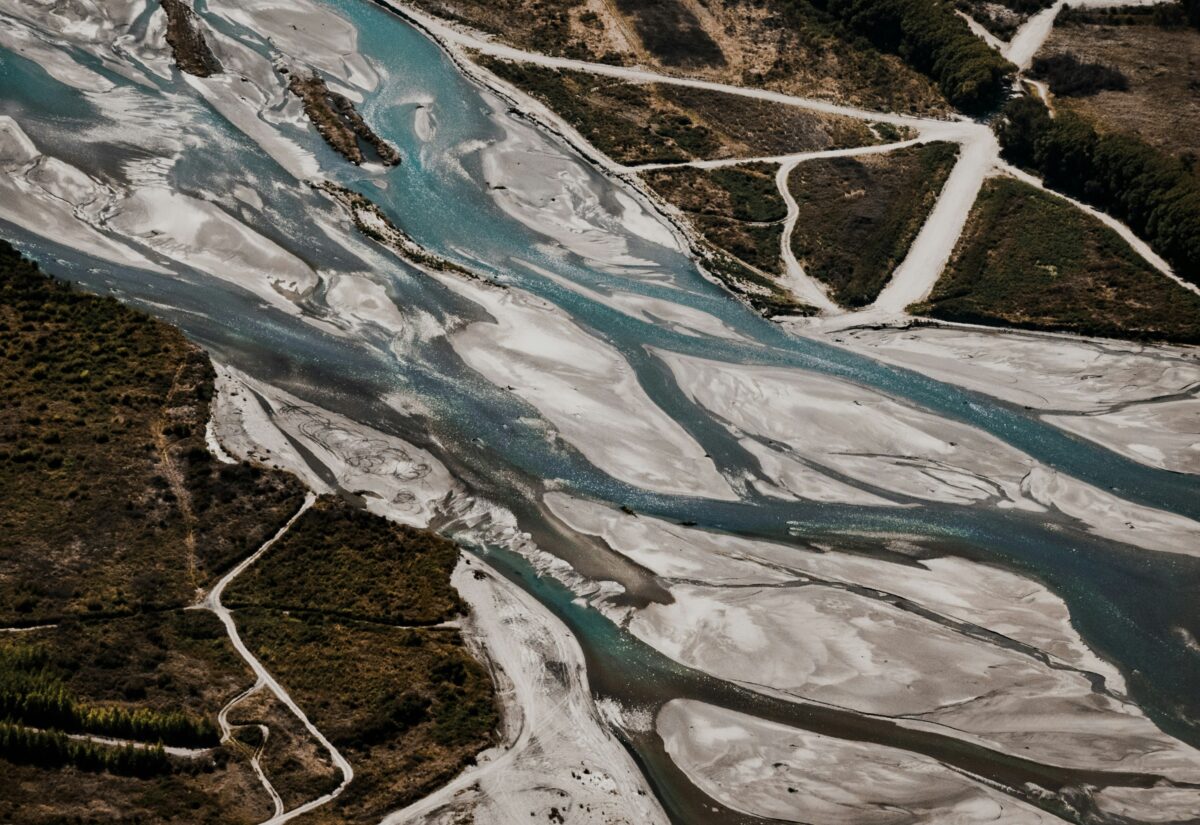
Dams, reservoirs, and canals alter water availability, preventing natural replenishment of lakes. Tributaries may no longer reach lake basins, leaving them to dwindle under prolonged stress. Engineering projects without environmental safeguards have historically transformed thriving lakes into barren beds, as seen with certain inland seas.
These interventions compromise aquatic ecosystems, endanger species, and reduce freshwater availability for surrounding communities. Human interference amplifies natural drying processes with lasting consequences.
Pollution Weakens Lake Resilience
Runoff from farms, untreated sewage, and industrial waste degrade water quality and harm lake ecosystems. Excess nutrients trigger algae blooms that consume oxygen, killing fish and reducing biodiversity. Contaminated lakes become less resilient to drought and heat, making evaporation and water loss more damaging.
Pollution also compromises the usability of water for drinking, agriculture, and recreation. The cumulative effect accelerates the decline of lakes that once thrived as vital ecological hubs.
Droughts and Erratic Rainfall Patterns

Markus Spiske/ Unsplash
Shifts in rainfall due to climate change leave some lakes without consistent water input. Extended dry periods reduce inflow from rivers and rainfall, forcing lakes to contract. This pattern affects both tropical and temperate regions, turning fertile wetland areas into dry, cracked landscapes.
When droughts persist year after year, recovery becomes increasingly difficult, pushing lakes closer to permanent loss. Communities and ecosystems dependent on these freshwater sources face escalating vulnerability.
Increased Risk of Conflict
Competition over dwindling freshwater intensifies as lakes shrink. Neighboring regions and nations may dispute access to remaining water, potentially escalating into political or armed conflicts. Water scarcity has historically contributed to tensions across multiple areas, and declining lake levels increase these risks.
Secure and equitable water management is crucial to prevent conflict and ensure communities survive amid environmental stress. The world faces not only ecological loss but rising geopolitical vulnerability.
Melting Ice and Glacial Disruption
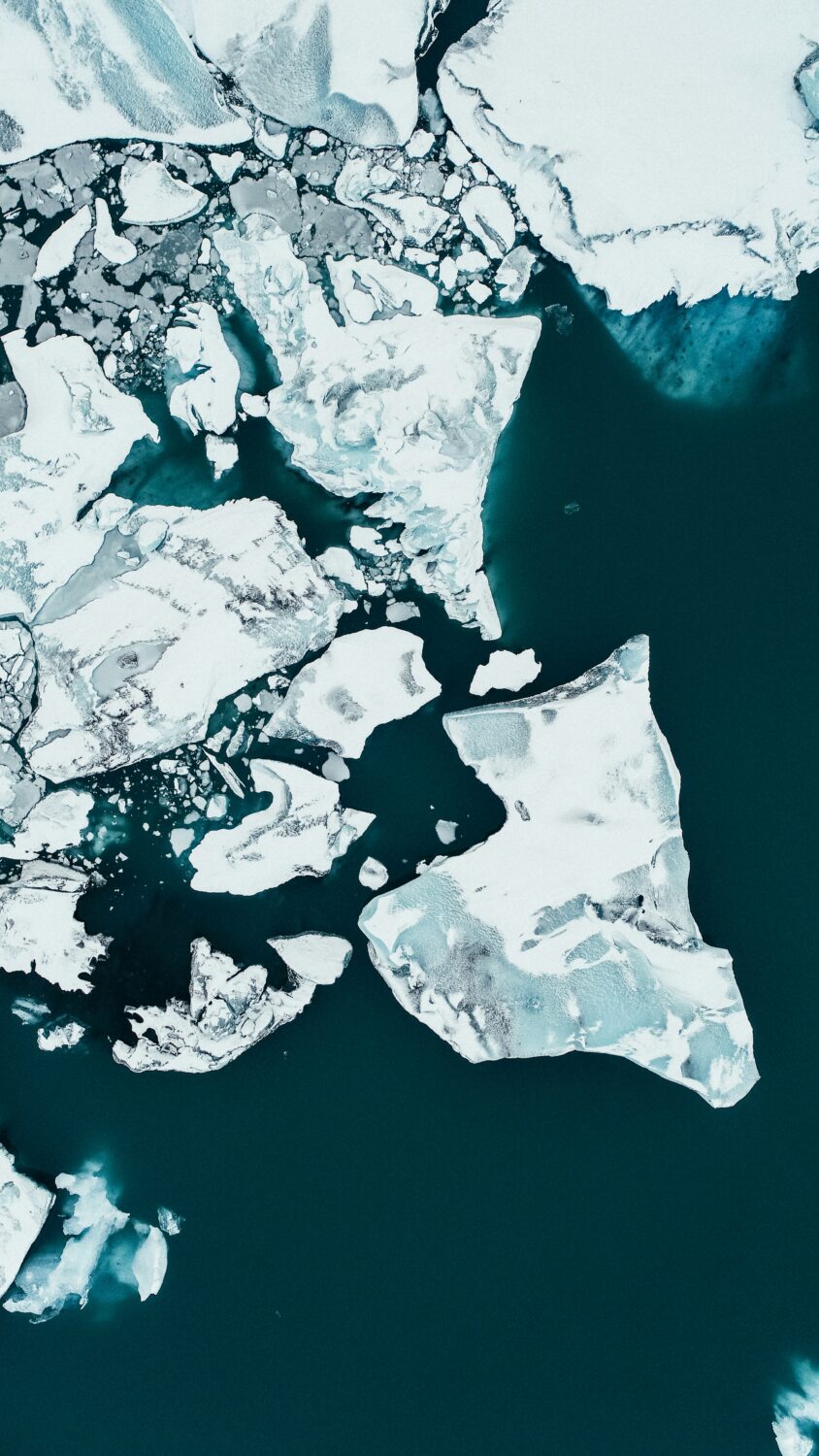
Glacial-fed lakes are directly impacted by rising temperatures. Melting snow initially increases water levels, but long-term glacial retreat reduces sustainable inflow. Lakes relying on steady seasonal melt face shrinking water volumes and altered thermal dynamics.
Wildlife and human populations that depend on these water bodies are left with unpredictable supplies. The disappearance of glacial lakes serves as an early warning of broader hydrological instability caused by global warming.
Ecosystem Collapse
Lakes provide habitat for fish, birds, and countless organisms. When water levels drop, these species lose their shelter and food, leading to a sharp decline in biodiversity. Wetlands surrounding lakes, which filter water and buffer floods, also vanish.
The collapse of aquatic ecosystems diminishes natural resilience, making remaining water less capable of supporting life. Humans, too, face the consequences, as the fishing, agriculture, and tourism industries that depend on healthy lakes suffer.
Economic and Community Displacement
Millions rely on lakes for livelihoods, including fishing, farming, and local commerce. As lakes shrink or vanish, communities lose access to freshwater and income sources. Economic pressures force relocation or migration, destabilizing regional economies and creating social stress.
Traditional practices and cultural connections tied to these water bodies are lost. The human toll of disappearing lakes is profound, demonstrating that water scarcity is both an environmental and humanitarian crisis.
Future of Global Water Security
If current trends continue, freshwater scarcity will accelerate, threatening agriculture, drinking water, and energy production. Many lakes that communities depend on may disappear entirely within decades. Protecting lakes requires a combination of climate mitigation, sustainable water management, pollution control, and ecosystem restoration.
Failure to act could reshape the planet’s freshwater landscape, leaving humans and wildlife with far fewer resources than needed to survive. The clock is ticking to secure a sustainable water future.
Conclusion
The shrinking of the world’s lakes is a visible symptom of human and environmental stress. Every dry bed, receding shoreline, and lost ecosystem signals the urgent need for action. Climate change, unsustainable use, and pollution are converging to create a global water crisis. Yet, there remains an opportunity to reverse these trends through coordinated policies and responsible stewardship. Will humanity rise to protect the lakes that sustain life, or will their disappearance become a permanent mark on our planet?