Signs Your Partner May Have Undiagnosed Adult ADHD and Why It Can Quietly Strain a Relationship.
Adult ADHD rarely walks into a relationship wearing a name tag. It often arrives as missed plans, unfinished chores, emotional flare-ups, forgotten conversations, last-minute panic, and that strange feeling that love is present, but follow-through keeps slipping through the cracks. One partner may feel ignored, overburdened, or forced into the role of household manager, while the other may feel judged, misunderstood, and exhausted from trying harder than anyone can see.

That is what makes undiagnosed adult ADHD so confusing. The problem often appears to be laziness, selfishness, carelessness, or immaturity from the outside, even when the real issue may involve attention regulation, impulse control, working memory, time blindness, emotional regulation, and executive function. In 2023, about 15.5 million U.S. adults reported a current ADHD diagnosis, and roughly half received that diagnosis in adulthood, which shows how many people reach relationships, careers, parenting, and financial responsibilities before they finally get language for what has been happening for years.
A partner cannot diagnose ADHD from the couch. Still, we can notice repeated patterns, name them with care, and encourage a real evaluation when those patterns affect home life, communication, work, money, parenting, intimacy, or emotional safety.
What Undiagnosed Adult ADHD Can Look Like in a Relationship
Adult ADHD is not just “being distracted.” It is a persistent pattern of inattention, hyperactivity, impulsivity, or a combination of these traits that interferes with daily functioning in more than one setting, such as home, work, school, or relationships. The National Institute of Mental Health describes adult ADHD as a pattern that can make functioning difficult across areas of life, which is why a relationship may become one of the first places where the symptoms feel impossible to ignore.
In a romantic relationship, ADHD symptoms often create a painful mismatch between intention and impact. The partner with ADHD may genuinely care, genuinely plan to help, genuinely mean the apology, and genuinely intend to do better next time. The other partner may still be left with the dishes, the unpaid bill, the missed appointment, the interrupted conversation, or the emotional cleanup after another avoidable blowup.
That gap between love and reliability is where resentment grows. We may begin to ask, “If they care, why does this keep happening?” A more useful question may be, “Is this a character problem, a skill problem, a stress problem, an untreated ADHD pattern, or some mixture of all four?”
They Seem Present but Often Miss Important Parts of Conversations
One classic sign of possible undiagnosed adult ADHD is the partner who appears physically present but mentally drifts away during conversations. They may nod, smile, or give short replies, then later ask about details that were clearly explained. This can feel deeply personal, especially when the conversation involves bills, children, plans, emotional needs, or something that took courage to say.
The hurt often comes from the interpretation. We may think, “They do not care enough to listen,” while they may be fighting a brain that keeps pulling their attention to a sound outside, a phone notification, a thought about work, or a random memory that pops up mid-sentence. ADHD-related inattention can affect sustained focus, listening, and task completion, so the issue is not always a lack of love; it may be a struggle to regulate attention on demand.
A relationship-friendly response starts with clarity instead of accusation. Important conversations may work better with eye contact, fewer distractions, shorter points, written follow-ups, and a quick recap at the end. That does not excuse inattentiveness, but it turns a repeated fight into a shared system.
They Forget Plans, Dates, Promises, and Small Details That Matter
Forgetfulness can become one of the most painful ADHD relationship patterns because it often strikes where emotions live. A partner may forget an anniversary plan, a grocery item, a family obligation, a bill deadline, or a promise made during a serious talk. The forgotten detail may look small on paper, but the message received can feel enormous: “I am not important enough to remember.”

With ADHD, forgetfulness can come from working memory challenges, distractibility, poor task capture, and weak follow-through systems. The partner may remember the promise emotionally but fail to put it into practice. That means love may exist, but the brain still needs calendars, alarms, shared notes, visual reminders, and routines that reduce reliance on memory alone.
We should not romanticize chronic forgetfulness as a cute quirk when it repeatedly harms trust. A sincere apology matters, but changed systems matter more. The healthiest couples stop making memory the battlefield and start making reminders, shared apps, and visible checklists part of the relationship infrastructure.
Their lives look disorganized even when they are trying hard.
A cluttered room, lost keys, unpaid paperwork, half-finished laundry, a messy car, an overflowing inbox, or a chaotic schedule can all point to executive function strain. This kind of disorganization can make a shared home feel like a daily argument waiting to happen. One partner sees socks, dishes, unopened mail, and random piles; the other sees a fog of tasks they cannot easily sort, start, or finish.
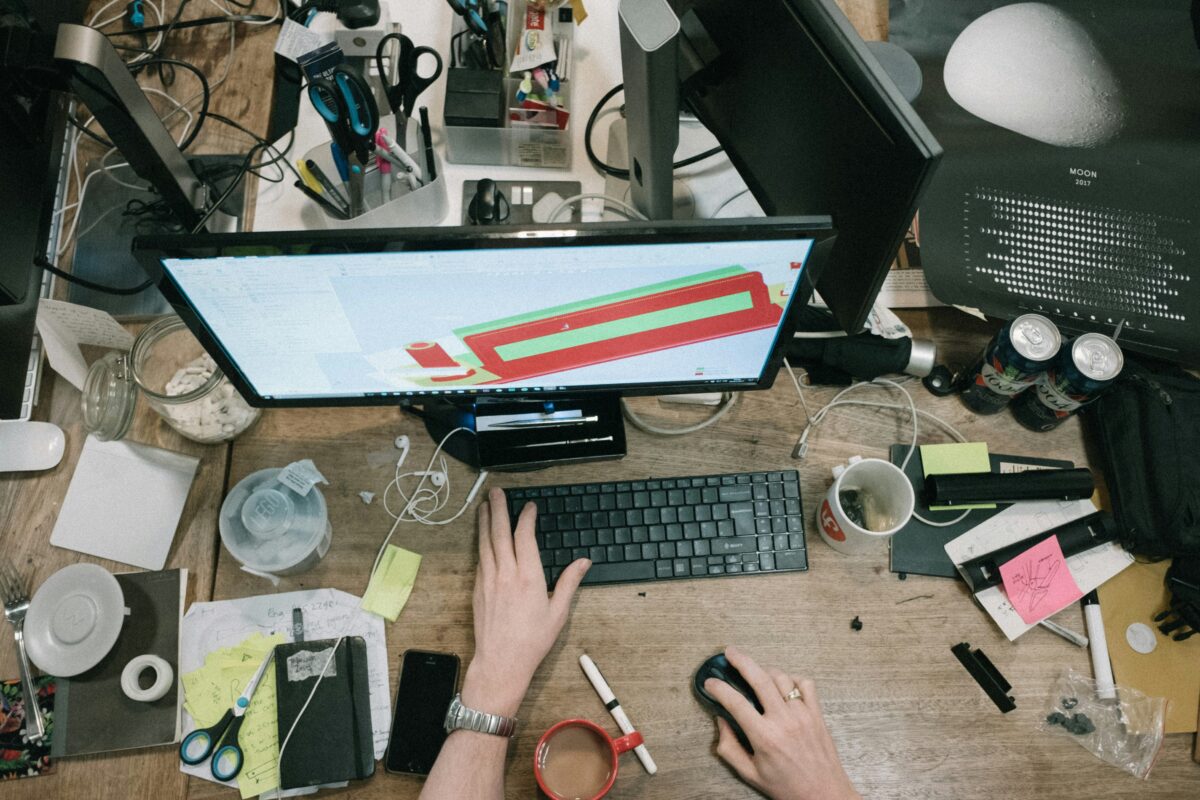
Adult ADHD commonly includes disorganization, poor planning, trouble prioritizing, problems completing tasks, and poor time management. Mayo Clinic lists these among common adult ADHD symptoms, alongside restlessness, impulsiveness, low frustration tolerance, mood swings, and difficulty coping with stress.
The key difference is pattern and impairment. Everyone gets messy during a hard week. ADHD-related disorganization tends to repeat across months or years, even after arguments, promises, planners, storage bins, and bursts of motivation. The partner may clean beautifully during a crisis, then slowly slide back into chaos because the system depends on adrenaline rather than a sustainable routine.
They Procrastinate Until Everything Becomes an Emergency
Undiagnosed ADHD often turns ordinary tasks into last-minute fire drills. The tax form waits until midnight. The work project starts the night before. The oil change gets delayed until the warning light becomes impossible to ignore. The birthday gift is ordered too late, wrapped in panic, and then defended with, “I had a lot going on.”
This kind of procrastination can frustrate a partner because it creates shared consequences. One person’s delay becomes another person’s stress. The non-ADHD partner may feel forced to nag, rescue, remind, or take over, which slowly turns romance into project management.
The deeper issue may involve task initiation, reward sensitivity, avoidance of boring tasks, overwhelm, or difficulty breaking a job into steps. Many adults with ADHD do not lack concern; they lack a reliable bridge between intention and action. We can reduce the damage by using earlier deadlines, body doubling, visible timers, smaller first steps, and agreed consequences that do not require one partner to become the other’s parent.
They Start Strong but Struggle to Finish
A partner with undiagnosed ADHD may begin a project with thrilling energy. They buy the supplies, announce the plan, research every detail, and talk with real excitement. Then the project stalls halfway through, joining a graveyard of unfinished hobbies, business ideas, repairs, courses, fitness plans, and home improvements.
This pattern can look irresponsible, but it often reflects a nervous system that is highly activated by novelty and less activated by routine maintenance. The beginning gives dopamine, possibility, praise, and momentum. The middle requires repetition, boredom tolerance, sequencing, and patience, which can be much harder for an ADHD brain.
In a relationship, unfinished projects become emotional evidence. A half-painted wall may stop being a wall and start becoming a symbol of every promise that did not land. The practical answer is not shame. It is scope control, smaller commitments, fewer simultaneous projects, and honest planning before the exciting part begins.
They Lose Track of Time and Regularly Run Late
Time blindness can make life with an ADHD partner feel like living beside someone who owns a clock but not a relationship with time. They may believe they can shower, dress, find their wallet, respond to one message, stop for gas, and arrive across town in 20 minutes. Then everyone is late again.

This pattern can be especially hard because lateness often feels disrespectful. We may hear, “Your time does not matter.” The ADHD partner may experience something different: weak time estimation, trouble transitioning between tasks, underestimating preparation time, and getting trapped by “one quick thing” before leaving.
A stronger system may include departure alarms rather than arrival alarms, countdown reminders, packed bags the night before, shared calendars, and a rule that the leaving time means shoes-on, keys-in-hand, walking-out-the-door time. Love should not depend on a perfect sense of time. It should depend on honest systems that protect both partners from repeated chaos.
They React Intensely to Criticism or Small Corrections
Some partners with possible undiagnosed ADHD appear unusually sensitive to correction. A small reminder can land like an attack. A practical comment about chores can turn into shame, defensiveness, tears, withdrawal, or anger. The emotional reaction may seem much larger than the actual issue.

Emotional dysregulation is increasingly recognized as an important part of adult ADHD for many people, even when it does not appear as neatly as inattention or hyperactivity on a basic symptom checklist. Research and clinical discussions have linked adult ADHD with difficulty regulating emotional responses, which can make conflict feel hotter, faster, and harder to repair.
This does not mean a partner gets a free pass to lash out. It means we may need different conflict rules. Calm timing, specific language, one issue at a time, repair attempts, and therapy can help turn criticism into problem-solving before both people end up wounded.
Their Mood Shifts Quickly and Conflict Escalates Fast
A partner with undiagnosed adult ADHD may move from relaxed to irritated with startling speed. A minor inconvenience, a schedule change, a misplaced object, or an unexpected request can trigger a sharp reaction. The household atmosphere may start to feel weather-dependent, with everyone quietly tracking the emotional forecast.
This can make the other partner hypervigilant. We may soften requests, avoid topics, or delay necessary conversations because we do not want another eruption. Over time, that avoidance damages intimacy. Real closeness requires truth, and truth becomes difficult when every truth feels like a match near gasoline.
Healthy support does not mean walking on eggshells. It means naming the pattern, setting boundaries around disrespect, and building better regulation habits. If emotional outbursts include intimidation, threats, coercion, or fear, the issue is bigger than ADHD support and deserves immediate safety-focused help.
They Act on Impulse and Explain It Later
Impulsivity can show up as interrupting, overspending, quitting jobs suddenly, making risky plans, blurting hurtful comments, driving too aggressively, booking trips without checking shared finances, or making promises before thinking through the cost. The partner may not intend harm, but the relationship absorbs the consequences.
The American Academy of Family Physicians notes that an adult ADHD diagnosis requires careful assessment because symptoms can overlap with other mental health, medical, sleep, and substance-related issues. That matters here because impulsive behavior can have several causes, so the goal should be a careful evaluation rather than quick labeling.
In a couple, impulsivity needs guardrails. Shared money rules, waiting periods for major decisions, written agreements, and clear communication can protect the relationship while the person seeks professional support. Compassion works best when paired with structure.
They Hyperfocus on Interests and Seem to Ignore Everything Else
Hyperfocus can be one of the most confusing ADHD patterns because it contradicts the stereotype that ADHD means “no attention.” A partner may struggle to focus on bills or cleaning, then spend six hours gaming, researching a topic, editing a video, building something, scrolling, coding, shopping, or working on a hobby with laser intensity.

This can feel brutally unfair. The other partner may ask, “How can you focus on that for hours but not listen to me for ten minutes?” The answer is that ADHD often involves difficulty regulating attention, not a total absence of attention. Cleveland Clinic explains that ADHD can make it harder to focus on certain tasks, even as a person may “get in the zone” with things they strongly enjoy.
In relationships, hyperfocus needs boundaries. Enjoyment should not come at the expense of sleep, childcare, shared plans, meals, intimacy, or household duties. Timers, transition rituals, and agreed stopping points can help protect the relationship from disappearing behind the thing that has captured the ADHD brain.
They Overcommit and Then Collapse Under the Load
Undiagnosed ADHD can make a person say yes before they measure capacity. They may volunteer for extra work, agree to social plans, promise help to relatives, start a side hustle, accept a favor request, and still insist everything is manageable. Then reality sets in, and the stress spills over into the relationship.
Overcommitment often comes from optimism, impulsivity, people-pleasing, poor time estimation, or a craving for stimulation. The partner may truly believe they can handle everything when they agree to it. Later, when the tasks become concrete, they may freeze, avoid, panic, or become irritable.
A couple can treat overcommitment as a planning issue rather than a moral failure. Before saying yes, the partner can pause and check a shared calendar, list the actual steps, and ask, “What will this cost us in time, energy, money, and peace?” That one question can save the household from another avoidable storm.
Their Performance Is Brilliant in Some Areas and Chaotic in Others
Many adults with ADHD are not unsuccessful. Some are high-performing, charming, creative, entrepreneurial, funny, talented, and deeply capable in the areas that interest them. That contrast can make the relationship strain even more confusing. They may shine at work, solve complex problems, impress strangers, and then come home unable to manage laundry, bills, appointments, or basic routines.
This inconsistency can make the non-ADHD partner feel gaslit by reality. If they can perform so well in one setting, why do they get the leftovers at home? The answer may involve interest-based attention, external structure, deadlines, novelty, fear of public failure, or the hidden effort they spend masking symptoms in front of others.
Home often becomes the place where the mask comes off. That does not make neglect acceptable, but it does explain why the person may appear “fine” on the outside while scattered within the relationship. The solution is not to demand identical performance everywhere. The solution is to build supports at home that are as real as the supports, deadlines, and consequences that exist at work.
They Avoid Boring but Necessary Responsibilities
Bills, forms, meal planning, insurance calls, cleaning routines, appointment scheduling, school emails, and household maintenance can become recurring conflict zones. The ADHD partner may avoid them, forget them, delay them, or do them only after repeated reminders. The other partner may eventually stop asking and quietly become the default adult in the room.
This creates an unfair emotional economy. One person carries visible tasks and invisible tracking. They know what is running out, what is due, what needs booking, what needs cleaning, what needs paying, and what needs remembering. That mental load becomes heavier when the other partner frames reminders as nagging instead of recognizing them as unpaid management work.
A healthier arrangement requires ownership, not just help. “Tell me what to do” is not an equal partnership when the other person still has to manage the list. The partner with ADHD may need assigned domains, recurring reminders, automation, external coaching, or therapy focused on executive function skills.
They Carry Deep Shame and Low Self-Esteem
Undiagnosed ADHD can leave a person with years of painful labels. Lazy. Messy. Too much. Irresponsible. Dramatic. Inconsistent. Wasted potential. After hearing these messages for years, some adults build a hard shell of defensiveness, humor, perfectionism, or avoidance around a very bruised sense of self.
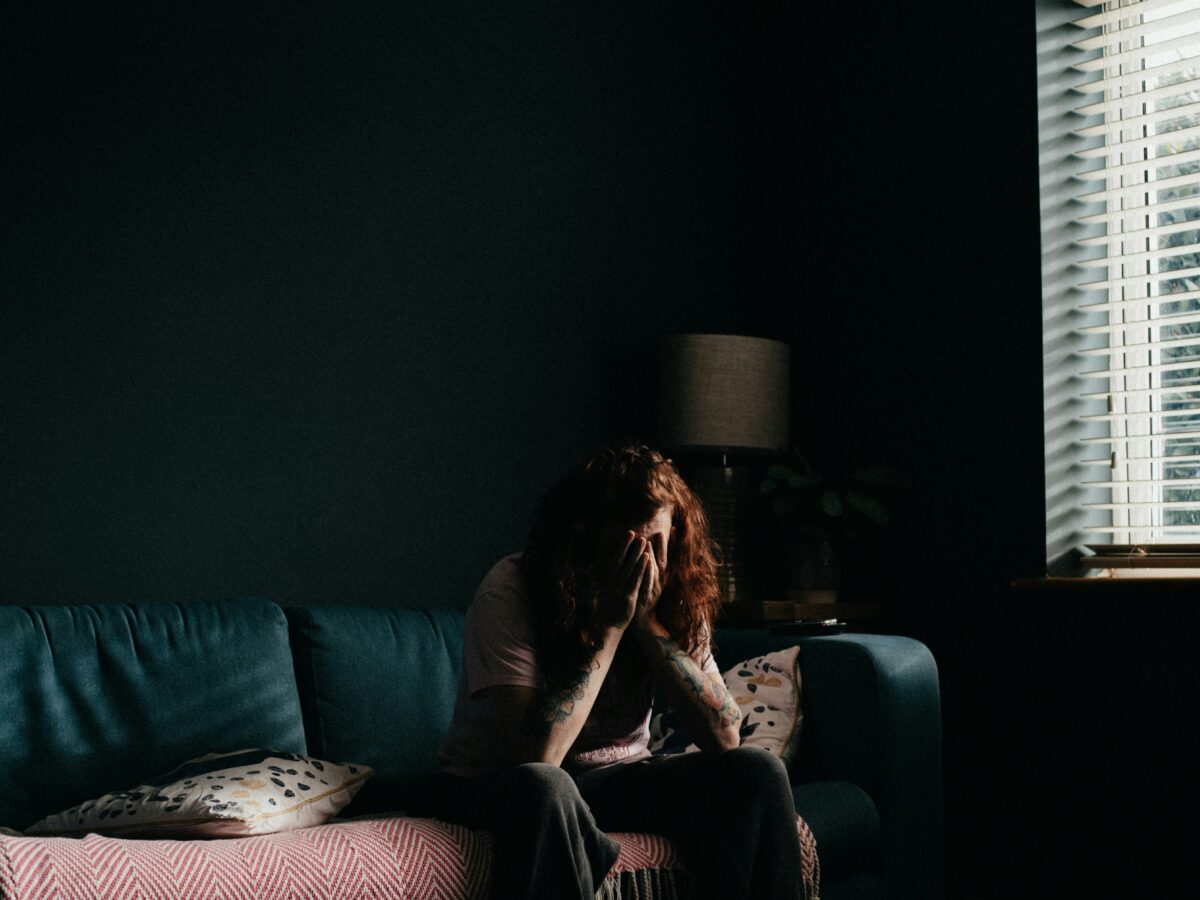
The American Psychological Association has noted that undiagnosed adult ADHD can contribute to chronic stress and low self-esteem, especially when people spend years misunderstanding their own struggles.
In relationships, shame can block repair. A simple request may hit an old wound and turn into a fight about identity rather than behavior. We can be compassionate about that wound while still holding people accountable. The most healing message is often, “We are not calling you broken. We are saying this pattern needs support because it is hurting both of us.”
The Relationship Has Fallen Into a Parent-Child Dynamic
One of the clearest signs that possible undiagnosed ADHD is affecting a relationship is the slow shift from partnership into parent-child mode. One person reminds, checks, organizes, corrects, rescues, plans, and follows up. The other resists, avoids, forgets, apologizes, defends, or waits to be told. Both partners start to resent the roles they are playing.
This dynamic can drain attraction, trust, friendship, and emotional safety. The managing partner feels alone. The managed partner feels controlled. The more one pushes, the more the other withdraws; the more the other withdraws, the more one pushes. That loop can become the real enemy.
Clinical guidance recognizes that ADHD can affect adult relationships and daily functioning, and it emphasizes the value of structure in daily activities. That is an important point for couples because love alone rarely fixes a system problem; structure often does what good intentions cannot.
How to Talk to a Partner About Possible Undiagnosed ADHD
The worst time to bring up ADHD is in the middle of a fight. If the words come out as a weapon, they will sound like a diagnosis, an insult, or a verdict. A better moment is calm, private, and specific: “We keep running into the same patterns with time, follow-through, and emotional blowups. I wonder if ADHD or something similar could be part of this. I would like us to look into it together.”
We should focus on patterns, not personality. “You never care” creates shame and defensiveness. “The bills have been late three times this quarter, and we need a better system,” gives the relationship something concrete to solve. The goal is not to win a debate over whether the partner “has ADHD.” The goal is to reduce damage, improve understanding, and encourage a proper evaluation when symptoms are persistent and impairing.
Professional evaluation matters because ADHD symptoms overlap with anxiety, depression, trauma, bipolar disorder, sleep problems, substance use, thyroid issues, and chronic stress. A careful diagnosis can identify what is actually happening and what kind of support fits. Guesswork may yield temporary results, but proper assessment provides direction.
What Helps When Adult ADHD Is Affecting a Relationship
Support should never mean one partner carries everything forever. Real ADHD support combines empathy with structure, accountability, and treatment when needed. That may include medical evaluation, therapy, ADHD coaching, medication discussions with a qualified clinician, couples counseling, sleep improvement, exercise routines, shared calendars, automated payments, chore systems, and communication rules that reduce emotional escalation.

The partner with ADHD symptoms has work to do. They may need to learn how their brain handles time, boredom, conflict, stimulation, and follow-through. They may need to stop relying on apologies as the main repair tool and start building systems that prevent the same harm from repeating.
The non-ADHD partner also needs support. They may need to step out of the manager role, name resentment before it hardens, set boundaries around disrespect, and stop quietly absorbing every consequence. A healthier relationship does not ask one person to become a saint and the other to become a patient. It asks both people to become honest teammates.
Conclusion.
A partner with undiagnosed adult ADHD may not be careless, cold, or impossible to love. They may be living with a brain pattern they never learned to name, manage, or explain. Still, impact matters. Missed promises hurt. Emotional outbursts hurt. Unequal responsibility hurts. Love does not erase the need for change.
The most useful path is neither blame nor blind tolerance. We can notice the signs, speak with care, encourage a professional assessment, and build practical systems that protect both people. When ADHD is part of the story, the relationship does not need more shame. It needs truth, structure, treatment, boundaries, and a shared decision to stop fighting the same invisible fire.