10 Dangerous Countries U.S. Embassy Warnings Make Hard to Ignore
When a U.S. Embassy tells Americans to leave a country, it is not casual travel advice dressed up in official language. It is the diplomatic version of a smoke alarm, warning that the normal safety net may be breaking down faster than travelers realize.
These warnings often appear when violence, political chaos, terrorism, airspace closures, wrongful detention risks, or collapsing public services make ordinary travel decisions feel dangerously outdated. Here are 10 countries that have drawn serious U.S. warnings and why Americans are being told to pay attention before staying, visiting, or assuming help will arrive quickly.
Iran
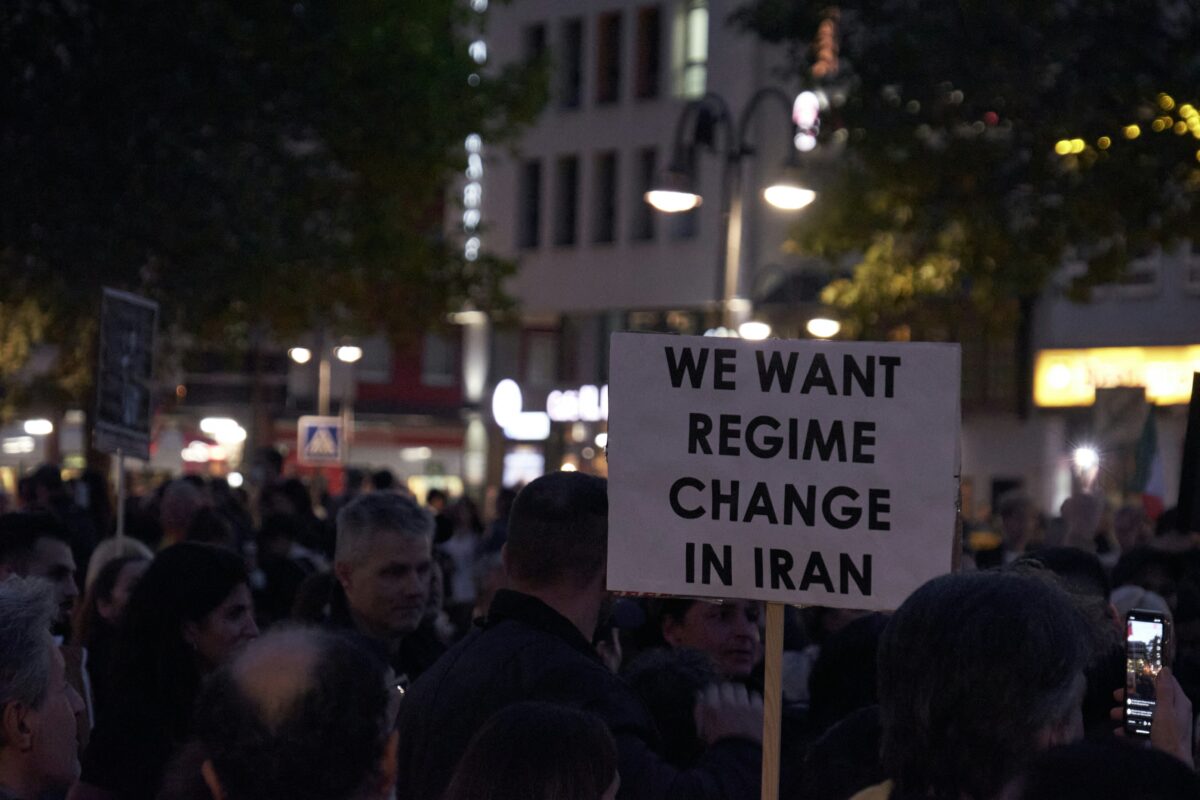
Iran sits near the top of any high-risk travel conversation because the danger goes beyond street unrest or tense politics. For Americans, the deeper fear is detention, questioning, blocked communication, and the absence of a normal U.S. Embassy safety channel inside the country.
A traveler may think they are entering a complicated but manageable place, then discover that leaving is harder than arriving.
Flight limits, internet restrictions, regional conflict, and suspicion toward Western visitors can turn a personal trip into a diplomatic nightmare. That is why official warnings around Iran sound so blunt and urgent.
Iraq
Iraq carries a heavy warning because the danger is unpredictable, layered, and often tied to forces outside a traveler’s control.
Terrorism, militia activity, armed conflict, kidnapping risks, and sudden security lockdowns can make movement dangerous in a matter of hours. Baghdad may have business activity, hotels, and government zones, but that does not erase the wider threat environment.
When embassy alerts tell Americans to leave or shelter, the message is simple: plans can collapse faster than consular help can reach people. In a country where one road closure or attack can trap visitors, hesitation becomes risky.
Israel and the Palestinian Territories

Israel and the Palestinian territories remain one of the most sensitive security zones in the world because danger can shift from local tension to regional escalation without much warning.
Missile threats, protests, military operations, border closures, and airport disruptions can quickly change what feels safe in the morning into a serious problem by night.
For Americans, the concern is not only personal safety but also the ability to leave if flights stop or roads close. Even familiar cities can become difficult to navigate during a crisis. That is why embassy warnings here often carry serious weight.
Jordan
Jordan is often viewed as one of the more stable countries in the region, which makes serious embassy warnings there feel even more alarming.
The concern is usually not that the entire country suddenly becomes unsafe overnight, but that regional conflict can spill over to borders, embassies, roads, and public gathering places. Border zones near Syria and Iraq carry special risks because terrorism, smuggling, and cross-border violence can move faster than official updates.
For travelers, Jordan is a reminder that a country can be relatively stable and still face dangerous security pressure from its neighborhood.
Lebanon
Lebanon’s warning signs come from a painful mix of political fragility, economic strain, armed groups, border tension, crime, and limited public services. A traveler may arrive for family, culture, food, or business, but emergencies there can quickly become complicated.
Power cuts, health care limits, street unrest, and sudden security incidents can turn simple movement into a stressful calculation. The danger grows even sharper when conflict near the border escalates, or air travel becomes uncertain.
For Americans, Lebanon is not just a place with risks. It is a place where the exit plan matters before the suitcase closes.
Syria
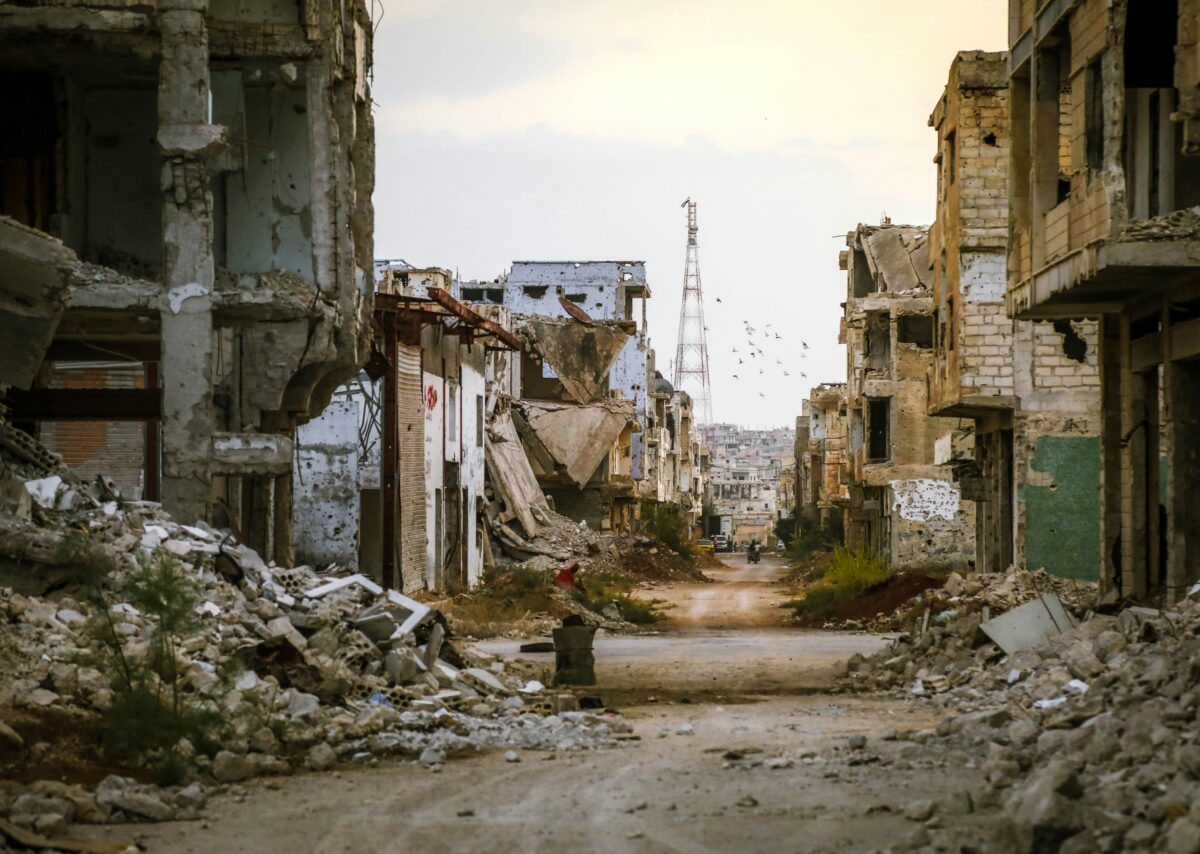
Syria remains one of the clearest examples of why some warnings use uncompromising language. Years of conflict have damaged cities, roads, hospitals, schools, utilities, and public trust.
Terrorism, kidnapping, hostage taking, unexploded weapons, and armed groups still create life-threatening conditions across the country. The absence of regular U.S. Embassy operations makes the risk even heavier for Americans who may need help.
Syria is not the kind of destination where travelers can rely on normal emergency systems. In this case, the warning is not dramatic. It reflects a country where danger has become part of daily logistics.
Yemen
Yemen’s warning is frightening because the risks touch nearly every part of daily survival. Terrorism, civil unrest, kidnapping, landmines, poor health care, crime, and damaged infrastructure all create a dangerous environment for foreigners and locals alike.
Even travelers with family ties or humanitarian reasons can face blocked roads, limited flights, shortages, and weak emergency response. The danger does not stay neatly in one region or one category. It spreads through movement, health, communication, and personal security.
For Americans, Yemen is a place where leaving late can mean discovering that the safest exit has already disappeared.
Saudi Arabia
Saudi Arabia may surprise some readers, as many associate it with business travel, religious pilgrimage, global events, and wealthy cities.
Yet U.S. warnings have pointed to risks tied to regional conflict, missile and drone threats, terrorism concerns, strict local laws, social media activity, and border danger near Yemen. The risk is not always visible on a polished hotel street or inside a busy airport. It can appear through legal trouble, sudden escalation, or movement restrictions.
For Americans, the warning is less about panic and more about recognizing that a modern destination can still pose serious security risks.
Qatar
Qatar is often seen as organized, wealthy, and globally connected, especially through its airports, business networks, and international events. That image can make an urgent warning feel strange, but regional crises do not respect glossy skylines.
When airspace closes, missiles fly nearby, or tensions spread across the Gulf, even a stable hub can become difficult for travelers trying to leave. The risk often lies in timing, transportation, and uncertainty rather than in ordinary street danger.
Qatar shows how quickly a seemingly safe travel plan can become fragile when the entire region enters a security emergency.
United Arab Emirates

The United Arab Emirates feels familiar to many Americans because Dubai and Abu Dhabi are major travel, business, and luxury hubs. That comfort can hide the bigger regional picture. During moments of Gulf tension, airports, airlines, energy infrastructure, and crowded international spaces become part of the security conversation.
A traveler may feel protected by modern roads, malls, towers, and hotels, but these features do not eliminate regional risk. The warning around the UAE is a reminder that wealth does not always mean immunity. In a crisis, the safest city can still become difficult to exit.
Conclusion
Embassy warnings are easy to ignore until they suddenly become personal. Many travelers assume danger belongs to other people, other neighborhoods, or the dramatic scenes they see on television, but official alerts exist because conditions can change before ordinary people have time to react.
The smartest move is not fear. It is preparation. Americans traveling abroad should check current advisories, enroll in embassy alerts, keep documents ready, watch flight options, and avoid treating serious warnings like background noise. When a government tells its citizens to leave, the message is rarely about ruining a trip. It is about making sure the trip does not become a crisis.