10 Junk Fees Americans Hate Paying
Junk fees are turning ordinary purchases into little financial ambushes. You see one price, click forward, blink twice, and suddenly the total has grown legs, put on a suit, and started charging “processing,” “service,” “convenience,” “resort,” “delivery,” and “because-we-can” fees.
It is not just annoying. It feels like being nickel-and-dimed by companies that know you are already too far into checkout to walk away.
That is why this topic hits a nerve across America. Recent reporting on the “annoyance economy” estimated that junk fees on concert tickets, hotels, and food delivery apps cost Americans around $90 billion a year, or about $650 per household annually.
The wider pile of daily irritations, from robocalls to paperwork headaches, was estimated at $165 billion a year. Americans are not imagining the squeeze. They are seeing it every time the final price looks nothing like the advertised price.
Junk Fees Start With Ticket Fees

Few things make Americans angrier than finding affordable concert or sports tickets, clicking through with hope in their hearts, and reaching checkout only to discover the real price was hiding backstage the whole time.
The ticket says one thing, but the checkout page adds service fees, processing fees, facility fees, delivery fees, and fees that seem to exist purely because the website had extra room.
This is why ticket fees became one of the loudest examples of junk pricing. Federal rules that took effect in May 2025 require businesses selling live-event tickets and short-term lodging to disclose mandatory fees upfront, so customers can see the real total earlier in the buying process.
That change is a win, but it also proves the obvious: Americans were tired of being shown one price and charged another.
Hotel Resort Fees Feel Like a Scam in a Bathrobe
Hotel resort fees may be the most insulting vacation charge ever invented. A traveler sees a nightly rate, gets excited, and starts planning.
Then gets smacked with mandatory charges for amenities they may never use. Suddenly, the pool towel, lobby Wi-Fi, gym access, and “destination experience” become part of a bill that looks nothing like the search result.
The rage comes from the bait-and-switch feeling. If the fee is mandatory, people believe it should be part of the listed price from the start.
Nobody wants to play detective while booking a room. The newer upfront pricing rules for hotels and vacation rentals were designed to address that exact frustration, requiring covered businesses to display mandatory fees more clearly before checkout.
Food Delivery Fees Make a $12 Meal Look Like a Bad Decision.
Food delivery apps have a special talent for making dinner feel affordable until the final screen. The meal starts at $12.
Then come the delivery fee, service fee, small-order fee, taxes, tip, and sometimes menu markups hiding in plain sight. By the end, a simple burrito has the emotional weight of a car payment.
This is one of the junk fees Americans hate most because the convenience is real, but the final price feels ridiculous. People are not shocked that delivery costs money.
They are angry that the true cost often only becomes apparent after hunger has already made the decision. Delivery apps understand timing. A hungry customer is easier to trap than a calm one.
Subscription Fees Are Quite Little Wallet Vampires

Subscriptions used to feel simple. A few dollars here, a streaming service there, maybe a fitness app, cloud storage, news access, music, a delivery membership, and one free trial everyone forgot to cancel.
Then the month ends, and the bank statement looks like it was attacked by tiny automatic withdrawals.
The most irritating part is how easy it is to start these services and how annoying it is to cancel. A federal “click-to-cancel” rule was supposed to make cancellation as easy as sign-up, but a federal appeals court blocked the rule in July 2025 before it could fully take effect.
That legal fight says plenty. If companies make money when customers forget, delay, or give up, difficult cancellation becomes part of the business model.
Airline Fees Turn Flying Into a Checkout Obstacle Course
Airlines have mastered the art of making the seat feel like only the beginning. Want to bring a bag? Fee. Want to choose a seat? Fee. Want extra legroom because your knees still belong to your body? Fee. Want to change something? Good luck.
Flying now feels like buying a ticket to enter a maze where every exit has a card reader.
Airline fees make people furious because flying is already stressful. Security lines, delays, cramped seats, cancellations, and airport food prices are enough. Adding layers of optional and semi-optional charges makes travelers feel as if the base fare was only an opening bid.
By the time someone boards the plane, they may already feel financially bruised before the seatbelt sign turns on.
Banking Fees Punish People for Being Short on Cash
Banking fees hit differently because they often come at a time when people are already struggling. Overdraft, insufficient funds, account maintenance, ATM, wire, and late payment fees can turn a tight month into a worse one. It feels backward. The people with the least cushion often face the harshest penalties.
That is why banking fees create so much resentment. A person who has plenty of money can avoid many of them.
A person living close to zero gets charged for it. It is the financial version of kicking someone while they are checking their balance in a grocery store parking lot.
Convenience Fees Are the Most Insulting Name in America

“Convenience fee” may be one of the most rage-inducing phrases in modern commerce. Pay online? Convenience fee. Use a card? Convenience fee. Buy tickets digitally? Convenience fee.
Handle a transaction without making another human process paper forms by candlelight? Somehow, fee.
The insult is in the name. The company often benefits from digital payments because they are faster, easier to track, and cheaper to process than older systems.
Yet the customer still gets charged for using the method everyone is pushed toward. It is not convenient. It is a toll booth with better branding.
Apartment Fees Make Rent Even More Painful
Rent is already brutal in many parts of America, but apartment fees make the process feel even more hostile.
Application fees, admin fees, pet fees, parking fees, trash fees, pest control fees, package fees, amenity fees, and “technology” fees can turn a listed rent into a financial guessing game.
This is one of the junk-fee categories that hit renters especially hard. People shopping for housing are not browsing for fun. They need somewhere to live.
When every application costs money, and every lease reveals new charges, renters feel like they are paying just to be considered, then paying again for the privilege of surviving the approval process.
Restaurant Service Fees Turn the Bill Into a Mystery Novel
Restaurant bills used to be simple enough: food, tax, tip. Now, some diners see service charges, wellness fees, kitchen appreciation fees, credit card fees, delivery packaging fees, and automatic gratuity rules that require careful reading before anyone can relax.
The result is not transparency. It is confused with a garnish.
Restaurants are dealing with real cost pressures, so not every fee is evil. Labor, rent, insurance, food costs, and card processing all matter. But customers hate feeling surprised at the end of a meal.
If a restaurant needs to charge more, many Americans would rather see higher menu prices than decode a receipt like it is a puzzle from a crime show.
Event Parking Fees Feel Like a Final Insult
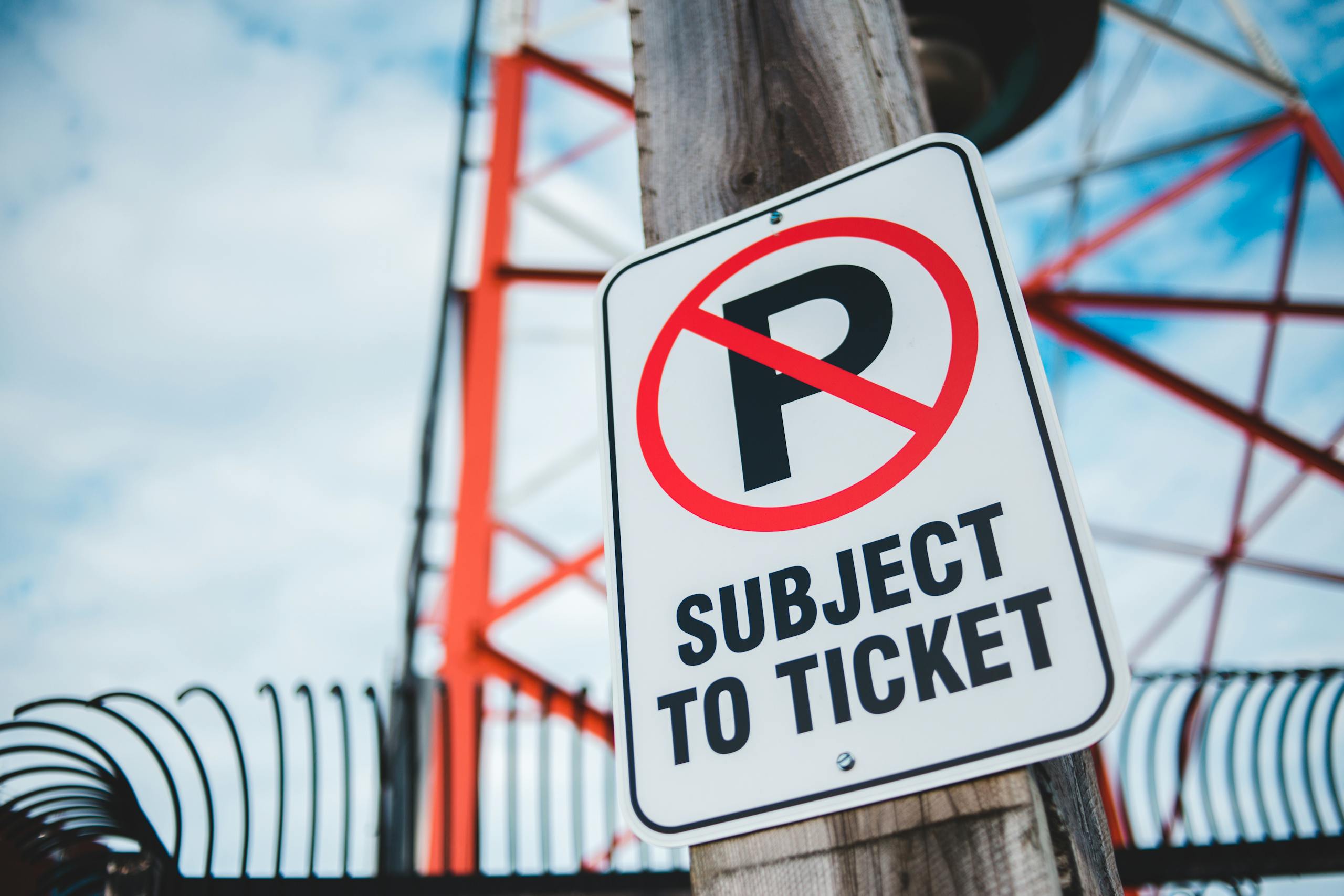
Event parking is where excitement goes to get mugged. You already paid for the concert, game, fair, festival, or family outing. Then you arrive and discover parking costs enough to make you question whether walking from another state would have been smarter.
Add “cashless only,” surge pricing, or confusing lots, and the mood starts leaking before the event even begins.
Parking fees make people mad because they often feel unavoidable. If public transit is weak, rideshares are expensive, or the venue sits in a car-dependent area, drivers have little choice.
The event may be fun, but the parking charge feels like the venue whispering, “We knew you had to come this way.”
Why Junk Fees Americans Hate Keep Working
Junk Fees Americans Hate keep surviving because they are small enough to sneak in and common enough to feel normal. A few dollars here. Twelve dollars there. A mystery charge at checkout. A subscription renewal nobody noticed.
A fee that appears only after the customer has invested time, effort, hunger, excitement, or urgency.
That is the real trick. These fees do not always win approval. They win because people are tired. Tired customers click pay. Hungry customers accept delivery charges. Busy customers forget subscriptions.
Travelers accept hotel fees because the trip is already planned. The fee economy runs on exhaustion as much as pricing.
Conclusion
These fees are more than small annoyances. They are a daily reminder that advertised prices are often unreliable. Tickets, hotels, food delivery, subscriptions, airlines, banks, apartments, restaurants, and parking have all found ways to turn simple purchases into layered bills that feel designed to confuse, frustrate, and drain people.
Americans are not angry because they expect everything to be free. They are angry because they want an honest price from the start. If a fee is mandatory, show it upfront. If a service costs more, say so clearly.
Stop hiding the real total behind friendly words and checkout surprises. In a country already tired of high prices, junk fees feel like one more little insult added to the bill.