10 Meals Women Packed in Their Husbands’ Lunch Pails in the 1950s
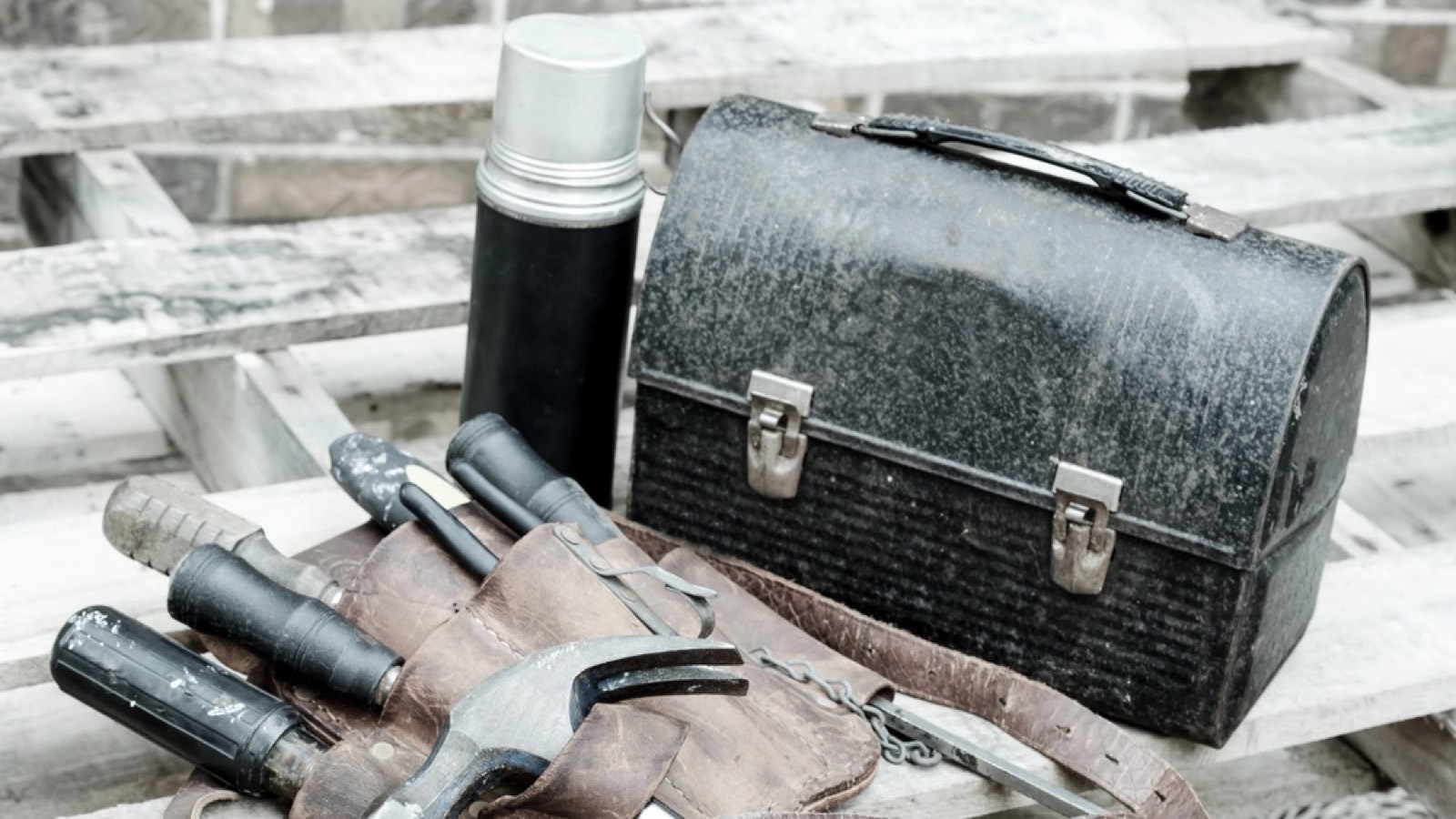
In the 1950s, millions of American men headed to factories, mills, mines, railroads and construction sites with a metal lunch pail in hand. Many of those lunches were packed before dawn by their wives, who often got up early to make sandwiches, fill a Thermos with hot coffee and tuck in a little something sweet. It was a daily act of care that fueled a long shift of hard work.
There were no microwaves in most break rooms and no fast-food drive-thrus on every corner. A lunch had to be filling, sturdy enough to survive a bumpy ride and tasty even after sitting for hours. Here are 10 meals women commonly packed in their husbands’ lunch pails in the 1950s, and why they worked so well.
1. Bologna Sandwich
The bologna sandwich was the workhorse of the 1950s lunch pail. A few thick slices of bologna went between two pieces of soft white bread with a smear of mustard or mayonnaise. Some wives added a slice of American cheese or a leaf of lettuce for a little extra.
Bologna was cheap, filling and lasted well in the icebox. It also held up better than many other meats during a long morning. Even today, plenty of people who grew up in working families say a bologna sandwich tastes like childhood.
2. Meatloaf Sandwich
Leftover meatloaf from the night before made one of the best sandwiches of all. Cold slices were layered on bread with ketchup, mustard or a little leftover gravy. It was hearty enough to carry a man through the afternoon.
Smart homemakers made extra meatloaf on purpose, knowing it would become lunch. Cold meatloaf actually slices more neatly than warm, which made it perfect for packing. It’s one reason meatloaf sandwiches show up in so many fond memories of Dad’s lunch pail.
3. A Thermos of Hot Soup or Chili
When cold weather set in, many wives filled a Thermos with homemade vegetable beef soup, bean soup or chili. A hot lunch made a big difference to men working outdoors or in drafty buildings. Coffee often filled a second bottle, or the lid of the pail held a smaller one.
The vacuum bottle had been around since the early 1900s, and the Thermos company traces its first product to 1904. By the 1950s, many metal lunch pails were built with a rounded lid designed to hold one. That simple invention meant a working man could enjoy a hot meal hours after leaving home.
4. Egg Salad Sandwich
Egg salad was a cheap and protein-packed sandwich filling. Hard-boiled eggs were chopped and mixed with mayonnaise, mustard, salt, pepper and sometimes a bit of celery or pickle relish. It was spread thickly on white or wheat bread.
Families who kept backyard chickens or bought eggs in bulk could make it for pennies. Wives often made a big batch to use for several days of lunches. Today we know mayo-based salads should be kept cold, but egg salad sandwiches were still a lunch-pail favorite in the 1950s.
5. Ham Salad Sandwich
Ham salad was the perfect way to stretch the end of a holiday or Sunday ham. Leftover ham was ground in a hand-cranked meat grinder, then mixed with mayonnaise, sweet pickle relish and sometimes chopped hard-boiled egg. It made a rich, slightly sweet spread for sandwiches.
Many kitchens had a meat grinder clamped to the counter just for this purpose. Ham salad also showed up on crackers at church socials and bridge parties. In the lunch pail, it was a tasty change from plain sliced meat.
6. Pimento Cheese Sandwich
In the South, pimento cheese was a lunch-pail staple. Shredded sharp cheddar was mixed with mayonnaise and chopped pimentos, sometimes with a little grated onion or a dash of hot sauce. Spread on soft white bread, it made a creamy, tangy sandwich.
Pimento cheese was easy to make in large batches and kept well for several days. Many families had their own secret version, and they still argue over whose is best. It remains a beloved part of Southern food culture, from mill towns to golf tournaments.
7. Cold Fried Chicken
A piece or two of leftover fried chicken was a real treat in a lunch pail. Chicken fried on Sunday often turned into Monday’s lunch, wrapped in wax paper. Many people insist that fried chicken tastes just as good cold as it does hot.
It didn’t need bread, utensils or reheating, which made it ideal for a quick break. A wife might pair it with a boiled egg, a pickle and a biscuit. For many men, finding fried chicken in the pail was the best surprise of the week.
8. Pasties
In Michigan’s Upper Peninsula and other mining regions, the pasty was the classic lunch-pail meal. A pasty is a sturdy, half-moon pastry filled with beef, potatoes, onions and rutabaga. Cornish miners brought the tradition with them when they came to work in the region’s copper and iron mines in the 1800s.
Michigan Technological University describes how the pasty outlasted the mining era and became a symbol of the region. Wives baked them in large batches and wrapped them to stay warm for hours. Pasty shops still dot the Upper Peninsula, and many families keep making them at home.
9. Peanut Butter and Jelly Sandwich
Peanut butter and jelly was a lunch for kids and grown men alike. It was inexpensive, didn’t spoil easily and required no cooking. Some workers preferred peanut butter with sliced banana or a drizzle of honey instead.
Because it didn’t need refrigeration, PB&J was a safe choice on hot summer days. Wives sometimes packed two sandwiches to keep a hungry worker going. It’s still one of the most popular sandwiches in America, which says a lot about its staying power.
10. A Slice of Pie or Homemade Cake
No lunch pail was complete without something sweet. A wedge of apple pie, a square of chocolate cake or a few homemade cookies often went in last, wrapped carefully so they wouldn’t get crushed. An apple, orange or banana usually rode along too.
That small dessert was often the most personal part of the lunch. It said that someone at home was thinking about him. Many grown children remember sneaking a peek into Dad’s lunch pail to see what treat Mom had tucked inside.
The Lunch Pail as a Symbol
The lunch pail became a lasting symbol of the American working man. Laborers had been carrying their meals in metal buckets and repurposed lard pails since the 1800s. NPR’s look at the lunch box traces how those humble pails evolved into the colorful boxes kids carried to school.
The meals inside reflected a time when most lunches were made at home, from scratch and on a budget. Many of the same sandwiches later filled children’s lunch boxes, like the classic ’60s sandwich that’s still a favorite. They also belong on any list of foods boomers loved growing up.
Packing a Lunch Pail Today
If you want to pack a nostalgic lunch today, keep food safety in mind. Perishable fillings such as egg salad, ham salad and pimento cheese should be kept cold with an ice pack or insulated bag. Hot soups stay warmest when you preheat the Thermos with boiling water first.
Whether it’s for a spouse, a grandchild or yourself, a homemade lunch still says “I care.” Did your mother or grandmother pack a lunch pail for someone in the family, and what was always inside?