10 Old-School Sandwiches That Have Almost Disappeared From American Tables
Once, an American sandwich could contain almost anything, including canned soup, mashed bananas, or leftover meatloaf. During the Great Depression and World War II, families often had to stretch their groceries and make meals using whatever ingredients were available. Some of the combinations that emerged became everyday favorites, even though they might seem unusual today.
As fresh ingredients became easier to find and food preferences changed, many of these sandwiches gradually disappeared from lunch counters and family tables. Still, they tell fascinating stories about how earlier generations approached cooking, saving money, and avoiding food waste. Here are 10 old-school sandwiches worth a second look, even if some are better left in the past.
The Banana Sandwich
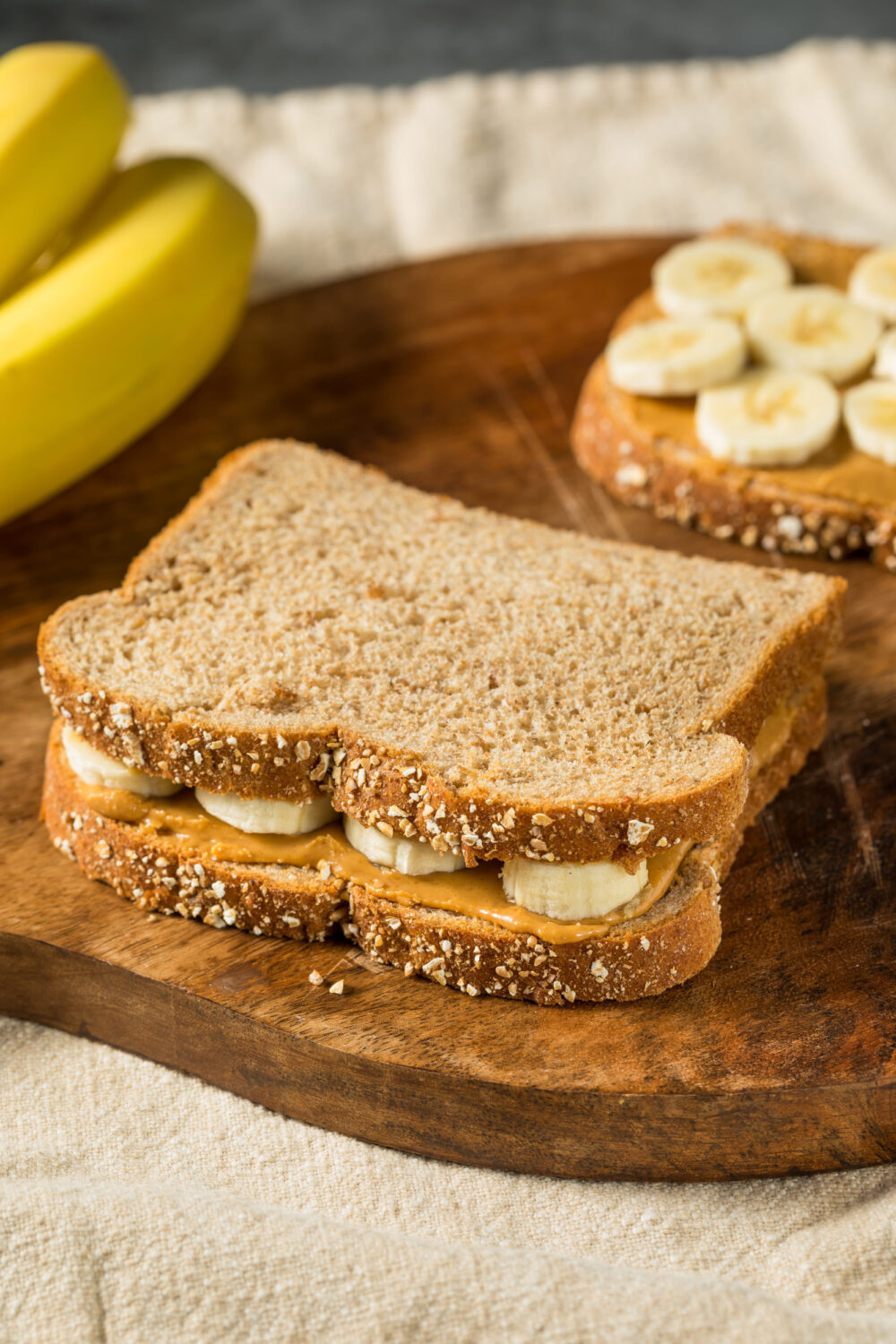
During the Great Depression, a banana sandwich was a simple treat that could make an ordinary school lunch feel special. Parents placed sliced or mashed bananas between two pieces of bread, often choosing darker or whole-grain varieties. Some added a little butter or sugar when their budgets allowed.
Bananas offered a sweet alternative to the usual peanut butter sandwiches and inexpensive lunch fillings. They were also relatively affordable and accessible compared with many other fresh foods during that period. Although banana sandwiches rarely appear on restaurant menus today, the combination remains easy to recreate at home.
The Cold Meatloaf Sandwich
Leftover meatloaf once had an important second job in American kitchens. Instead of preparing an entirely new lunch, families could place a cold slice of meatloaf between two pieces of bread and add ketchup or their favorite seasonings. It was an inexpensive way to make yesterday’s dinner last another day.
Meatloaf became particularly useful during the Great Depression because cooks could stretch ground beef with breadcrumbs or vegetables. The sandwich remained familiar in American diners and lunch counters for decades. Although some households still enjoy it today, restaurants are much less likely to feature the cold meatloaf sandwich than they once did.
The Elvis Sandwich
Few sandwiches have a celebrity connection as memorable as the one associated with Elvis Presley. His famous combination brought together peanut butter, bananas, and bacon, creating a rich mixture of sweet and salty flavors. Early accounts describe a deep-fried version, making it far more elaborate than a typical peanut butter sandwich.
The sandwich became part of Elvis’s food legacy and inspired other desserts and treats featuring similar ingredients. Some diners still serve versions of the combination, particularly in places connected to the singer’s history. However, it remains a specialty rather than a standard item at most American sandwich shops.
The Peanut Butter and Mayonnaise Sandwich
Peanut butter and mayonnaise might sound like ingredients that should never meet, but the pairing had a place in Depression-era kitchens. Families seeking inexpensive alternatives to costly fruit spreads sometimes combined the two between slices of bread. Both could be kept on hand and used to prepare a quick lunch.
The sandwich continued appearing in American households well beyond the Depression years, remaining familiar into the 1960s. As grocery choices expanded, people found it easier to prepare more conventional peanut butter combinations. Today, the unusual pairing is more likely to spark curiosity than appear in an everyday lunchbox.
The Frosted Sandwich Loaf
The frosted sandwich loaf was one of the more elaborate dishes served at mid-century American gatherings. Although it looked like a decorated cake, its layers contained savory fillings such as egg salad, chicken salad, pickles, and deviled ham. The outside was covered with a cream cheese and mayonnaise mixture, giving the entire creation an unusual appearance.
Preparing one took considerable time and effort, making it better suited to luncheons and special gatherings than everyday meals. Its impressive presentation reflected an era when hosting guests often involved elaborate homemade dishes. Today, simpler party sandwiches have largely replaced this once-fashionable creation.
Related: why-food-experts-advise-against-adding-mayo-to-tuna-sandwiches/
The Welsh Rarebit
Despite its unusual name, Welsh rarebit contains no rabbit meat. The dish consists of toasted bread covered with a rich cheese sauce traditionally flavored with ingredients such as beer, Worcestershire sauce, and seasonings. Served open-faced, it offered an affordable alternative to meat-filled sandwiches.
Originally popularized in Britain, Welsh rarebit also became familiar at American lunch counters during the twentieth century. Its simple ingredients made it appealing when families wanted something warm without spending heavily on meat. Although Welsh rarebit still exists, it is less closely associated with everyday American lunches today.
The Oyster Club Sandwich
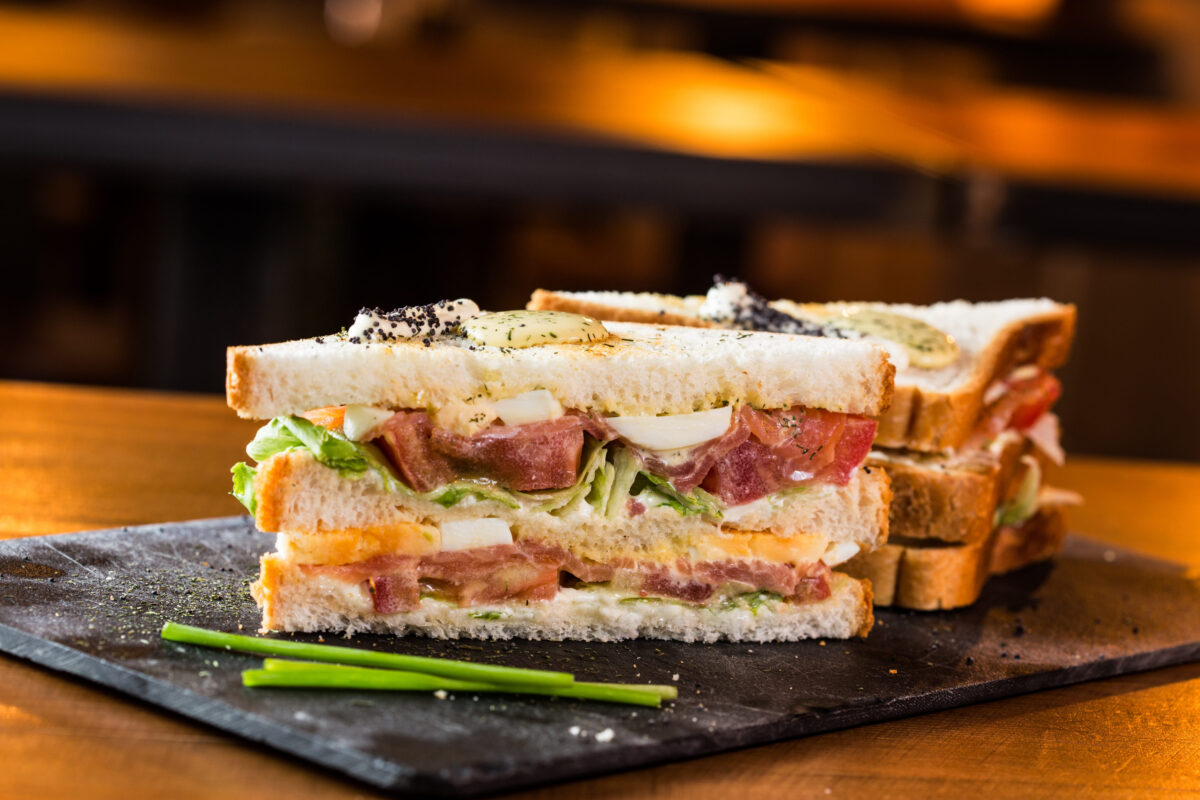
Oysters were once an everyday food, not the relatively expensive seafood many Americans associate with special occasions today. During the early twentieth century, one way to enjoy them was inside an oyster club sandwich. This combination featured fried oysters, lettuce, tomatoes, and a spicy horseradish sauce.
The result combined crispy seafood with fresh vegetables and a flavorful dressing. However, rising oyster prices gradually made this sandwich less practical as an inexpensive lunch option. Although fried oyster sandwiches still exist in different forms, the old-fashioned oyster club is much harder to encounter.
The Mock Ham Salad Sandwich
When ham was too expensive for a family’s grocery budget, cooks found ways to imitate familiar dishes using cheaper ingredients. The mock ham salad sandwich replaced traditional ham with chopped bologna or Spam. Mustard, mayonnaise, and relish helped create a spread that resembled traditional ham salad.
This practical substitute let families enjoy something similar to a familiar lunch without buying more expensive meat. As household budgets improved and ham became easier to afford, the need for the imitation decreased. The mock version gradually lost its place in everyday American cooking.
The Potted Meat Sandwich
Before household refrigeration became widespread, preserved meat offered families an important convenience. Potted meat sandwiches used canned or preserved meat spread between slices of bread, creating a quick meal with minimal preparation. The filling could be stored longer than fresh meat, making it useful for households managing limited grocery supplies.
These sandwiches were especially practical for packed lunches because they required so little preparation. As refrigerators became increasingly common, families gained easier access to fresh deli meats and other sandwich fillings. Potted meat remained available, but it became less of a regular lunch staple.
The Broiled Soup Sandwich
During the 1960s, canned soups inspired some unconventional American recipes, including the broiled soup sandwich. Home cooks spread thick soup or stew over bread and broiled it. Campbell’s promoted variations of these open-faced creations in advertisements and published recipes.
Cream of chicken soup and beef stew were among the fillings used for these experimental sandwiches. Unfortunately, combining moist soup with bread could produce a soggy meal that was difficult to eat neatly. The idea eventually faded, although the familiar pairing of grilled cheese and tomato soup continued to thrive as two separate dishes.
A Taste of America’s Forgotten Food History
These sandwiches reveal how much American eating habits have changed over the generations. Some disappeared because ingredients became more expensive, others lost their appeal as fresher alternatives became available, and a few required too much preparation. Yet each one reflects the creativity of families who learned to make the most of what they had.
From the humble banana sandwich to the elaborate frosted sandwich loaf, these forgotten lunches offer a glimpse into another era of American cooking. Some are still worth making at home, especially if you enjoy exploring old family recipes.
Which of these old-fashioned sandwiches do you remember eating, and would you try one again today?
Other articles you may like:
– the-sandwich-generation-8-ways-families-share-the-load-of-caring-for-parents-and-kids/
– alarming-ways-the-sandwich-generation-is-being-pushed-toward-financial-ruin/
– these-10-restaurants-were-top-picks-for-baby-boomers-in-the-1980s-and-millennials-have-never-heard-of-them/