Over 1.5 Million Pounds of Hot Dogs, Bacon and Deli Meat Recalled: Check These Brands
A major meat recall is putting everyday grocery purchases under closer scrutiny, and Americans may want to take another look at the packaged meats sitting in their refrigerators and freezers.
Kayem Foods Inc. has recalled about 1,584,361 pounds of ready-to-eat meat and poultry products because some items may have been stored at improper temperatures.
The U.S. Department of Agriculture’s Food Safety and Inspection Service (FSIS) announced the recall on October 17, 2026, and it involves products distributed to retail stores and food-service businesses nationwide.
From hot dogs and bacon to sausages and deli meats, several familiar grocery categories are included. The key question for shoppers now is whether the products they already purchased are part of the recall.
According to KPRC Click2Houston’s October 20 report, federal officials are urging consumers to check their food supplies carefully.
Why This Meat Recall Matters to American Households
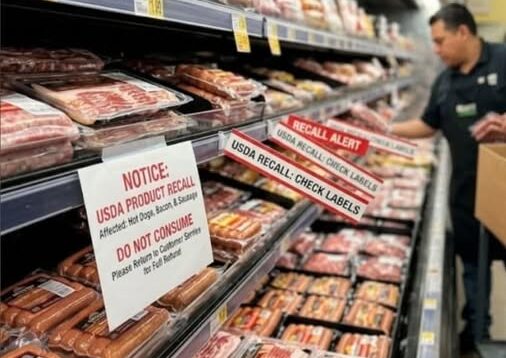
Packaged meats are convenient ingredients for everyday meals. Hot dogs might be waiting for a quick dinner, bacon could be tucked into the refrigerator, and deli meat may already be part of the week’s lunch plans.
That everyday convenience is what makes this recall especially important. The affected products were distributed nationwide, so the concern isn’t limited to shoppers in one city or state.
The recall also extends beyond grocery store shelves. Food-service businesses received affected products, so commercial buyers should also review their inventory. For households, the immediate concern is whether recalled packages remain in storage.
FSIS addressed that possibility directly in its announcement:
“FSIS is concerned that some product may be in consumers’ refrigerators or freezers.”
That warning makes checking products already purchased just as important as paying attention to what is currently available in stores.
Related Post: Starfish Seafood smoked Norwegian salmon in 6 states recalled after New York testing flagged possible Listeria
What Caused the Kayem Foods Recall?
The recall involves concerns about storage temperatures. According to USDA information reported by Click2Houston, the issue came to light after a retail customer complained about receiving warm products delivered on October 1.
Kayem Foods later investigated and found that several ready-to-eat meat and poultry products had been stored in a warehouse cooler with temperature deviations.
The company attributed the problem to a cooling-system malfunction and reported that it had corrected the issue. However, concerns about the storage conditions prompted the large-scale recall.
Federal officials classified the recall as Class I, the USDA’s highest-risk recall category. At the time of the announcement, officials said no confirmed illnesses were linked to the recalled products.
That information does not change instructions for consumers with affected items. The recommendation remains clear: recalled products should not be eaten.
Which Meat Products and Brands Are Affected?
The recall covers a variety of fully cooked meat and poultry products produced between March 31 and October 7, 2026.
Affected categories include hot dogs, bacon, smoked brisket, sausages, ham, turkey, and other ready-to-eat deli meats.
Several brand names appear among the recalled products, including Kayem, Al Fresco, McKenzie, Triple M, Deutschmacher, Genoa, Jordan’s, Essem, and Winnisimmet St. Butchery.
For consumers, one important detail deserves attention: seeing a familiar brand name on this list does not automatically establish that every product sold under that brand is recalled. The specific product and package information matters.
That is why shoppers should compare what they have at home with the USDA’s official recall documentation rather than relying on the brand name alone.
The complete list provides details needed to identify affected items, including product labels and UPC information.
Consumers can review those details in the official USDA recall announcement for Kayem Foods.
Check These Establishment Numbers on Your Packages
For anyone sorting through packaged meats at home, establishment numbers provide another important way to check potentially affected products.
According to the recall information, affected packages bear one of three establishment numbers inside the USDA inspection mark. Those numbers are EST. M/P 7839, EST. P 20935A, and EST. M 9520.
Consumers should compare these identifiers, along with the brand, product description, and label information, against the official recall list.
This additional check matters because the recall involves multiple brands and several types of prepared meat.
Instead of assuming a package is included or excluded based on its appearance, households can use the product-specific information federal officials provide.
Retailers and food-service operators should conduct similar checks on the products they receive.
What Should You Do If You Have Recalled Meat?
The USDA’s instructions for affected products are straightforward. Consumers should not eat items confirmed to be included in the recall.
Instead, discard the products or return them to the place of purchase. This advice applies even when recalled packages have been stored in a household refrigerator or freezer.
Anyone who discovers a potentially affected package should first use the official recall information to determine whether it matches the listed products.
Keeping the package details on hand while checking the recall announcement can make identification easier.
For shoppers who regularly purchase packaged hot dogs, sausages, bacon, or deli meats, reviewing stored products is a practical way to respond to the notice without assuming every similar item is affected.
Where Consumers Can Get More Information
As consumers review their refrigerators and freezers, the USDA’s recall announcement remains the central resource for identifying affected products.
The agency provides product-specific documentation so shoppers and businesses can compare their supplies with the recalled items. Consumers with questions about the Kayem Foods recall can also contact the company.
For American families planning meals with packaged meats, the next step is simple: check the labels, verify the establishment numbers, and follow the recall instructions if a product matches.
With more than 1.58 million pounds involved, a careful look through the fridge and freezer is a worthwhile precaution before the next meal.