
10 Quiet Struggles Many Boomer Women Face Today But Rarely Talk About
For years, baby boomer women have been the backbone of their families.
They were the ones who remembered every birthday, organized family events, handled emergencies, supported loved ones, and kept everything running when life became complicated.
Many learned to be strong because people depended on them.
But strength can sometimes hide struggles.
Behind the smiles, the “I’m doing great” answers, and the carefully managed routines, many boomer women are facing challenges they rarely discuss openly.
Women born between 1946 and 1964 experienced a world that changed dramatically during their lifetime. Many entered adulthood when traditional expectations around marriage, motherhood, careers, and caregiving were very different. They adapted to new opportunities while still carrying old responsibilities.
Now, as millions move through retirement and later adulthood, new pressures are emerging.
From financial worries to loneliness, these are some of the quiet battles many boomer women carry behind closed doors.
Retirement Did Not Always Mean Freedom From Responsibility

Many women spent decades dreaming about retirement.
They imagined slower mornings, more travel, hobbies, and time for themselves.
But for some, retirement simply replaced one type of responsibility with another.
Instead of workplace deadlines, they now manage doctor appointments, medication schedules, family paperwork, and caregiving duties.
A woman may retire from her job only to become the primary helper for an aging spouse. Others step in to care for elderly parents while also helping adult children with childcare.
The difficult part is that caregiving often happens quietly.
There is no official job title.
No paycheck.
No vacation days.
Many women simply accept the role because helping the family feels natural.
However, constant caregiving can become physically and emotionally exhausting. Many caregivers put their own needs aside because they believe someone else always needs them more.
For women who spent their entire lives caring for others, learning to care for themselves can become one of the biggest challenges of retirement.
Many Boomer Women Secretly Fear Running Out of Money
Financial worries do not always disappear after retirement.
For many boomer women, money concerns are connected to choices they made decades earlier.
Some left the workforce to raise children. Others worked fewer hours because family responsibilities came first. Many experienced lower wages during periods when women had fewer opportunities for advancement.
Those decisions may have been the right ones at the time.
But retirement savings are often built on lifetime earnings.
Today, many older women are watching expenses rise while wondering whether their money will last.
The pressure comes from everywhere:
- Healthcare costs
- Housing expenses
- Food prices
- Insurance bills
- Home maintenance
Some women quietly adjust their lifestyles rather than admit they are worried.
They may cancel trips, avoid expensive activities, or delay purchases.
From the outside, everything may look comfortable.
Behind the scenes, many are carefully calculating every decision.
Supporting Adult Children Can Create Hidden Stress
Motherhood does not come with an expiration date.
Even when children grow older, many boomer mothers still feel responsible for helping them.
A son facing financial trouble.
A daughter going through a divorce.
A family member struggling with childcare costs.
Many women step in without hesitation.
They may pay bills, provide housing, or use their retirement savings to help their children through difficult times.
The motivation is love.
But the emotional conflict can be painful.
Many women struggle between two thoughts:
“I want to help my child.”
and
“I also need to protect my future.”
Because many boomer women were raised with strong beliefs about sacrifice and family responsibility, setting boundaries can feel almost impossible.
Helping family can bring happiness, but constantly putting personal needs last can create long-term stress.
Friendships Can Slowly Disappear After Major Life Changes
Many friendships are built around everyday routines.
Coworkers become friends.
Neighbors become close.
Children’s activities create social circles.
But as life changes, those connections can become harder to maintain.
Retirement removes daily workplace interactions.
Moving homes can separate longtime friends.
Health problems can make regular outings more difficult.
Even when friendships remain, the frequency of contact may decrease.
This can leave some women feeling surprised by how quiet life becomes.
The challenge is that loneliness does not always look obvious.
A woman can attend family gatherings, talk to neighbors, and appear socially active while still missing deeper connections.
Creating friendships later in life often requires more effort than earlier in life.
For many women, rebuilding a social circle becomes an unexpected challenge.
Some Feel Their Experience Is Being Overlooked
Many boomer women have decades of knowledge behind them.
They have solved problems, managed families, built careers, and handled challenges younger generations have never experienced.
Yet some feel their experience is ignored because of their age.
In workplaces, older employees may feel passed over for opportunities or excluded from important conversations.
Outside of work, some women feel society focuses more on youth while forgetting the value of experience.
This can affect confidence and identity.
A woman who spent decades being respected for her skills may suddenly feel invisible.
The issue is not wanting attention.
It is wanting recognition.
Many older women still have valuable ideas, energy, and ambition.
Age should not erase everything they have accomplished.
They Often Ignore Their Own Health While Caring for Others
Many boomer women are experts at noticing when someone else needs help.
They remember family appointments.
They organize medical information.
They make sure everyone else is taking care of themselves.
But when it comes to their own health, many delay action.
A small problem becomes something to deal with later.
A checkup gets postponed.
A concern gets ignored because life feels too busy.
This pattern often comes from years of putting family first.
But health issues can become more difficult when ignored.
Taking time for personal healthcare is not selfish.
It is an important part of staying independent.
Loneliness Can Exist Even in a Busy Life
One of the biggest misconceptions about loneliness is that it only happens to people who are alone.
That is not always true.
A woman can have children, grandchildren, friends, and community connections while still feeling emotionally disconnected.
Loneliness can appear after major life changes:
- Losing a spouse
- Retirement
- Moving away from friends
- Children starting their own lives.
Many women are used to being the person others call when they need support.
They are not always comfortable admitting when they need support themselves.
Sometimes the hardest sentence to say is:
“I need someone to talk to.”
Emotional Struggles Are Sometimes Hidden Behind “I’m Just Tired”
Not every emotional challenge looks dramatic.
For many women, stress, sadness, or anxiety may appear as everyday exhaustion.
They may say:
“I’m just tired.”
“I have too much going on.”
“I don’t feel like doing anything lately.”
But those feelings can sometimes point to deeper emotional struggles.
Many boomer women grew up during a time when mental health conversations were limited. Talking about therapy or emotional difficulties was not always encouraged.
As a result, some learned to quietly push through problems.
But emotional health matters at every age.
Recognizing when something feels different is an important part of maintaining overall well-being.
Starting Over Later in Life Can Feel Scary
Life after 60 does not always follow a predictable path.
Some women experience major changes they never expected.
A marriage may end.
A spouse may pass away.
A family home may become too large.
A career may suddenly change.
These moments can create uncertainty.
After spending decades identifying as a wife, mother, employee, or caregiver, some women must rediscover who they are.
That process can be challenging.
But it can also create opportunities.
Many women use this stage of life to explore hobbies, friendships, travel, education, or personal goals they postponed earlier.
A new chapter does not mean the previous ones were lost.
It means there is still more life to build.
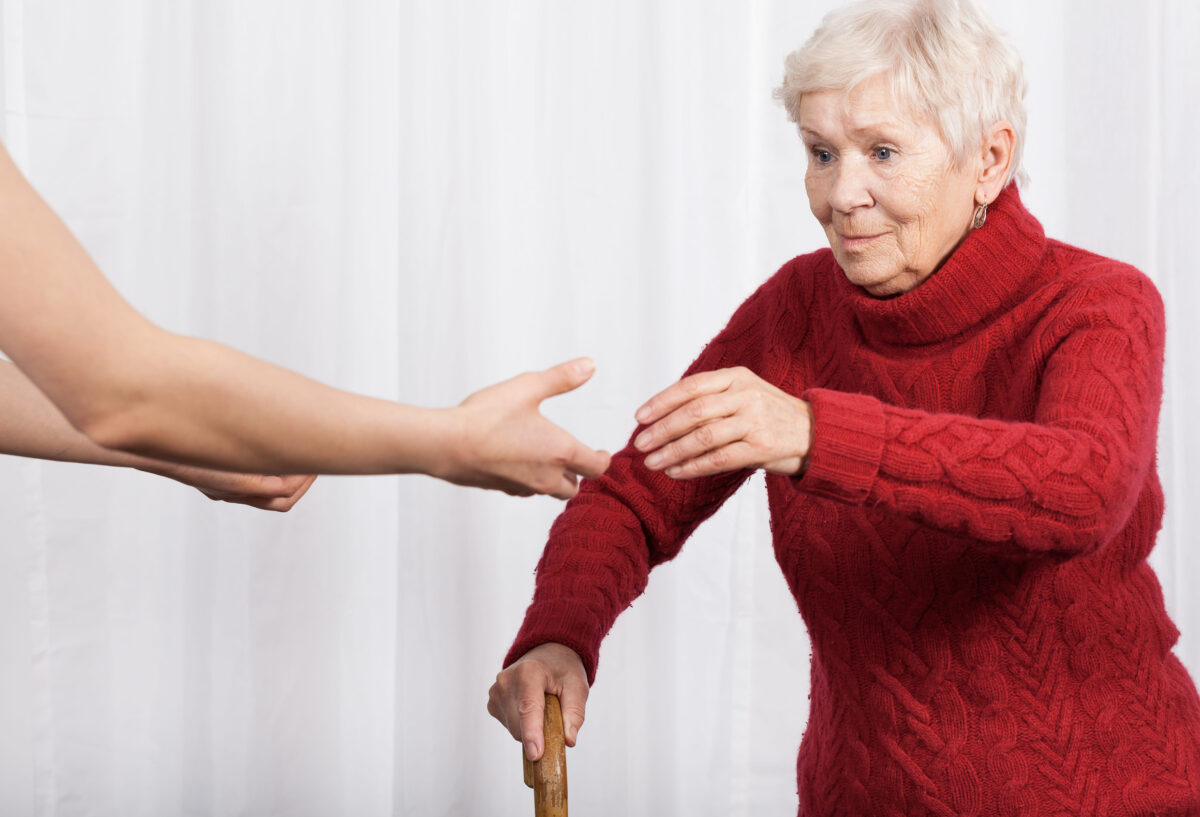
Asking for Help Can Be the Hardest Challenge of All
For many boomer women, independence is a source of pride.
They have spent years being the dependable person.
The organizer.
The problem solver.
The one who keeps everyone moving forward.
So admitting they need help can feel uncomfortable.
They may worry about becoming a burden.
They may fear losing control.
They may believe they should still handle everything alone.
But accepting support does not mean losing independence.
Sometimes the strongest decision is allowing others to share the responsibility.
Everyone deserves care, including the people who spent their lives providing it.
The Next Chapter for Boomer Women Should Include More Than Sacrifice
Baby boomer women have experienced a lifetime of change.
They witnessed shifting expectations, expanded opportunities, changing family roles, and new challenges.
They adapted again and again.
But being strong does not mean staying silent forever.
The challenges many women face today deserve attention, understanding, and support.
Growing older should not mean becoming invisible.
It should mean having more freedom to focus on health, happiness, relationships, and personal dreams.
Because behind every woman who says “I’m fine” is a lifetime of experiences that deserve to be valued.


