10 Reasons Why Many Relationships Survive on How Much a Woman Is Expected to Suffer
Love should not feel like a courtroom where one person is always defending their pain. Yet in many relationships, the peace people admire from the outside is often built on one woman swallowing her disappointment again and again. She becomes the emotional shock absorber, the quiet fixer, the patient listener, the one who bends so the relationship does not break.
This does not mean women are born to suffer for love. It means society has often trained women to carry more emotional weight than they should. Many relationships survive because one woman keeps forgiving, adjusting, explaining, hoping, and enduring. That kind of survival may look like loyalty, but deep down, it can become a slow emotional drain.
She Is Expected to Forgive More Than She Receives
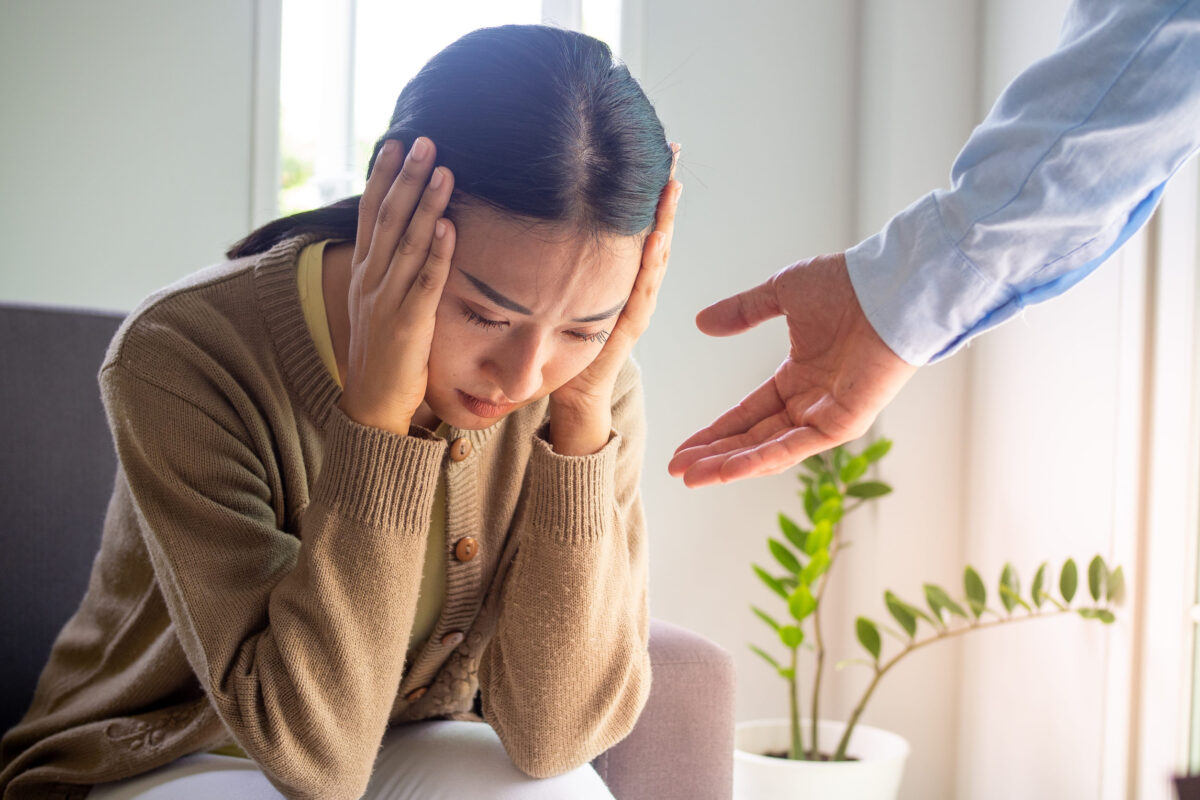
Many relationships continue because the woman keeps forgiving things that should have been corrected long ago. She forgives careless words, emotional distance, broken promises, and behavior that keeps repeating itself. Her forgiveness becomes the glue holding everything together.
The problem is that forgiveness without change becomes emotional labor. It teaches the other person that apologies are enough, even when actions stay the same. Over time, she may start feeling like her pain has become part of the relationship routine.
She Carries the Emotional Housework
In many relationships, the woman becomes the planner, the peacemaker, the comforter, and the emotional translator. She remembers birthdays, senses tension, starts serious conversations, and tries to keep love alive. People call this care, but sometimes it becomes an unpaid emotional job.
When one person always manages the emotional climate, the relationship may survive, but it does not grow fairly. She becomes exhausted from having to hold conversations that the other person avoids. The relationship looks stable because she keeps cleaning up emotional messes before anyone else notices them.
She is told patience is proof of Love.
Women are often praised for being patient. They are told that good women wait, understand, forgive, and give chances. Patience can be beautiful, but it becomes dangerous when it demands that someone accept disrespect as a test of loyalty.
Some relationships survive because a woman keeps waiting for someone to mature. She waits for better communication, deeper commitment, more respect, and basic effort. The longer she waits, the more the relationship depends on her ability to tolerate disappointment.
She Is Blamed When the Relationship Fails

Many women stay because society often blames them when love falls apart. People ask what she did wrong, why she could not keep the home together, or why she gave up too soon. That pressure can make leaving feel like failure, even when staying is hurting her.
This creates a painful trap. If she stays, she suffers quietly. If she leaves, she gets judged loudly. So the relationship survives because she fears being painted as the one who destroyed it, even when she was the one trying hardest to save it.
She Lowers Her Standards to Keep Peace
Some relationships last because a woman gradually reduces her expectations. She stops asking for romance because it starts arguments. She stops asking for emotional honesty because it leads nowhere. She stops asking for consistency because she is tired of sounding needy.
Peace bought through silence is expensive. It may stop conflict for a while, but it also kills intimacy. When a woman lowers her standards just to avoid tension, the relationship survives on her self-abandonment.
She Mistakes Struggle for Commitment
Many people were raised to believe that real love must be painful. They think suffering proves depth, loyalty, and seriousness. So when a woman endures emotional neglect or constant conflict, she may tell herself that every strong relationship has hard seasons.
Hard seasons are normal. Constant suffering is not. A relationship should challenge people to grow, not train one person to disappear. When struggle becomes the main evidence of love, pain starts wearing the costume of commitment.
She Protects the Other Person’s Image
A relationship can survive for years because a woman keeps protecting the person who hurts her. She hides the arguments. She softens the truth. She tells friends and family that everything is fine because she does not want anyone judging the person she loves.
That kind of protection can feel noble at first. But it can also isolate her. She becomes the keeper of secrets, carrying private pain behind a public smile. The relationship remains respected because she pays the cost in silence.
She Believes Love Can Change Everything

Hope is powerful, but it can also become a cage. Many women stay because they believe their love will eventually change someone. They think if they love harder, speak softer, give more, or wait longer, the relationship will finally become what they imagined.
Love can inspire change, but it cannot force it. A person must choose growth for themselves. When a woman becomes the only engine pushing the relationship forward, she may confuse hope with responsibility. The relationship survives because she keeps believing in a future that the other person refuses to build.
She Sacrifices Her Own Identity
Some women slowly lose themselves while trying to keep a relationship alive. They abandon hobbies, friendships, goals, and personal dreams because love demands more and more of their time. At first, it feels like a compromise. Later, it feels like vanishing.
Healthy love should make room for both people. It should not require one person to shrink so the other feels comfortable. When a relationship survives because a woman keeps sacrificing her identity, it is not thriving. It is feeding on her disappearance.
She Fears Starting Over
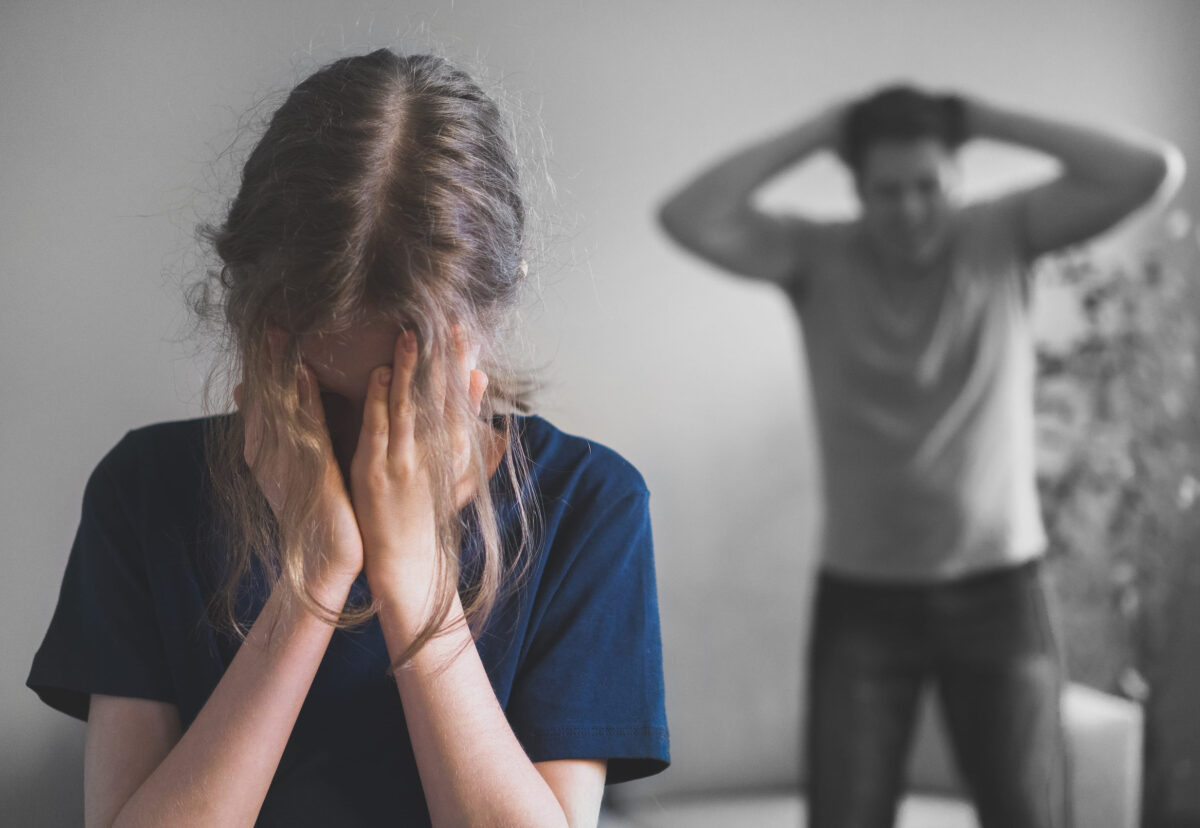
Leaving a painful relationship is not always simple. There may be children, money, family pressure, shared history, fear, shame, or emotional attachment involved. Many women stay because the unknown feels scarier than familiar pain.
Starting over can feel terrifying, especially after investing years in someone. So she tells herself to try again, forgive again, wait again, and hope again. The relationship survives because leaving requires courage, resources, and support that she may not yet have.
Conclusion
Many relationships do not survive because they are healthy. They survive because one woman has learned how to absorb pain without making too much noise. She becomes the cushion, the bridge, the nurse, the apology collector, and the keeper of peace. People may call it loyalty, but sometimes it is emotional exhaustion dressed up as devotion.
A woman should not have to suffer endlessly to prove she loves someone. Love should ask for effort, honesty, patience, and care from both sides. A relationship that depends on one person’s suffering is not strong. It is unbalanced.
Real love does not make a woman beg for basic respect. It does not require her to lose herself, so the relationship can stay standing. The strongest relationships survive because both people choose growth, accountability, kindness, and emotional maturity. Anything less is not love at its best. It is survival at someone else’s expense.