10 Restaurant Orders Chefs Quietly Avoid Because They Can Go Wrong Fast
A restaurant menu can make almost anything sound irresistible. A few elegant words, a glossy sauce, a “chef’s special” label, and suddenly the risky order starts looking like the smartest choice at the table. That is how diners end up paying too much for tired seafood, dry steak, soggy sides, or dishes that depend on kitchen habits we cannot see.
Chefs know menus differently because they understand what happens behind the kitchen doors. They know which dishes require precise timing, which ingredients degrade quickly, and which orders often mask weak execution behind fancy wording. These are the restaurant orders we should approach with caution before the first bite turns into instant regret.
Raw Oysters From a Restaurant That Does Not Specialize in Seafood
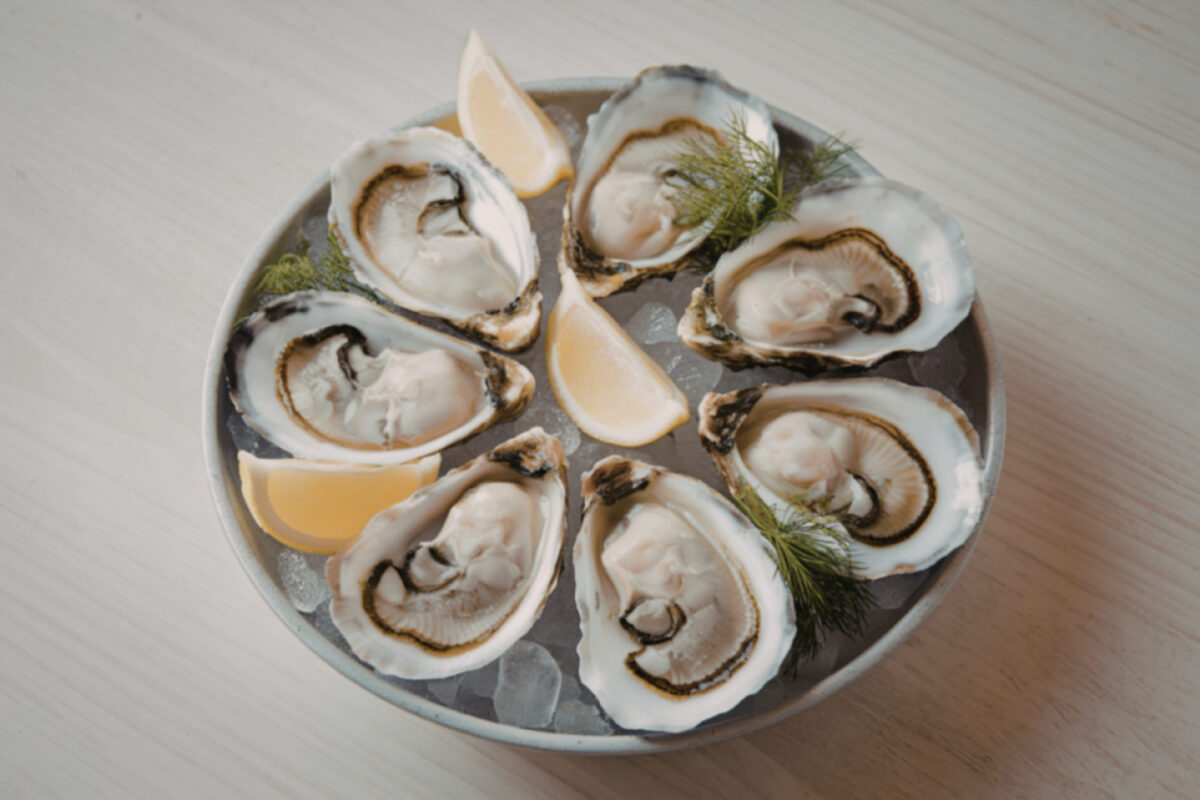
Raw oysters can feel like the ultimate restaurant treat, but they are not an order to choose casually. They need careful sourcing, cold storage, fast turnover, and a kitchen that understands shellfish handling. When raw oysters appear on a random menu beside burgers, pasta, tacos, and fried chicken, we should slow down before ordering.
The risk is simple. Raw oysters are not cooked, so the kitchen does not have a heat step to reduce dangerous germs. A serious seafood restaurant usually knows the supplier, delivery date, storage rules, and shellfish tags. A general restaurant that barely sells oysters may not move them quickly enough to make the order worth the gamble.
Rare Burgers That Look Juicy but Carry More Risk
A rare burger may look bold and flavorful, but ground beef is different from steak. With a whole steak, the outside sears, helping kill bacteria on the surface. With ground beef, bacteria can be mixed throughout the meat during grinding, which makes the center more important.
That is why chefs are often more careful with burgers than diners expect. A good burger can still be juicy without being dangerously undercooked. We should be extra cautious when a restaurant pushes rare burgers but does not explain its meat quality, grinding process, or cooking standards. The pink center may look exciting, but it isn’t always the smartest choice.
The Seafood Special With No Clear Details
A fresh seafood special can be beautiful when the kitchen is proud of what came in that day. The warning sign appears when the description sounds vague. “Seafood medley,” “market fish,” “chef’s ocean pasta,” or “mixed seafood stew” can mean fresh creativity, but it can also mean the kitchen is using pieces that need to move quickly.
Good seafood should not hide behind heavy cream, strong spice, or mystery sauces. We should ask what the fish is, when it arrived, and how it is cooked. A confident server will answer clearly. A vague answer usually tells us the dish is better left alone.
Buffet Food Near Closing Time
Buffets are best when the room is busy, the trays are fresh, and the staff keeps replenishing food with hot, fresh batches. Near closing time, that story can change fast. The pasta dries out, the fried food softens, the sauces thicken, and the once-bright vegetables start looking tired.
The biggest concern is time and temperature. Food that sits too long can become less safe and much less pleasant to eat. A buffet should feel alive, not abandoned. When the trays look like they have survived the whole evening, we are usually better off ordering something freshly cooked from the kitchen.
Well-Done Steak at an Expensive Steakhouse
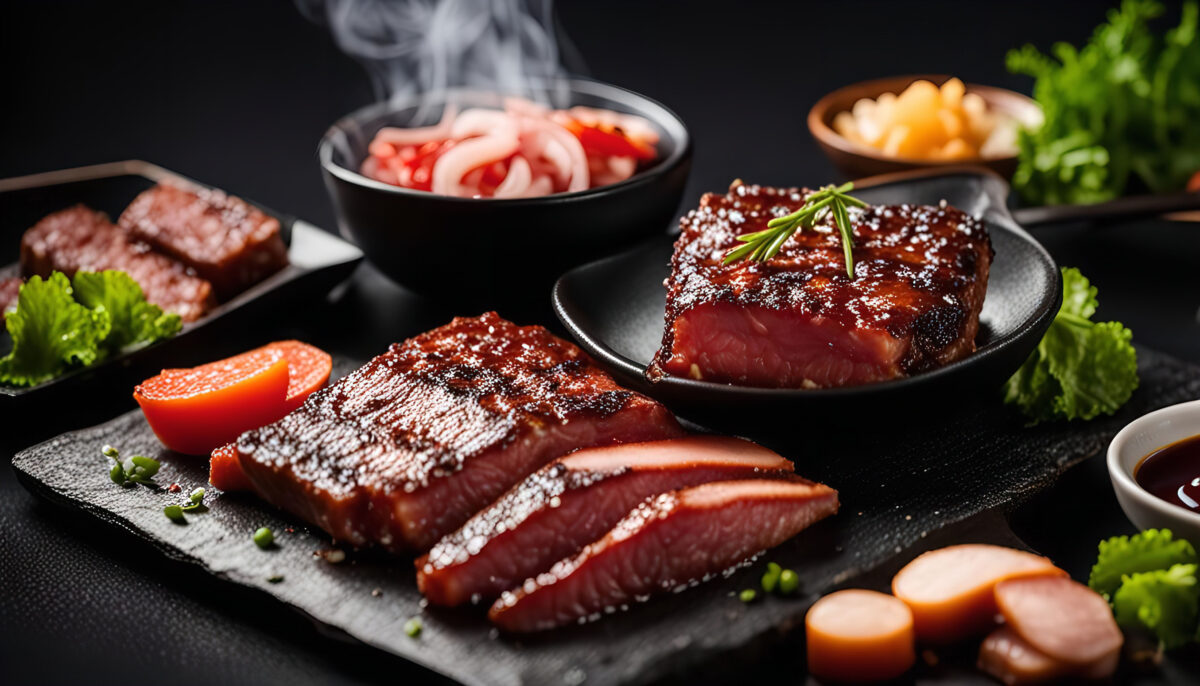
Everyone has the right to order steak the way they enjoy it, but a well-done steak at a premium steakhouse can be a poor value choice. Expensive cuts are often prized for tenderness, marbling, and careful temperature control. Cooking them until all traces of pink disappear can push the meat into dry, tough territory.
Chefs know some dishes are designed to be cooked longer. Braised short ribs, slow-cooked beef, pot roast, and beef cheeks can become richer and softer with time. A pricey ribeye or filet loses much of its magic when pushed too far. We should choose a dish that matches the cooking style we actually want.
Raw Sprouts on Sandwiches and Salads
Raw sprouts look innocent because they seem fresh, crunchy, and healthy. That is exactly why many diners do not think twice when they appear on sandwiches, wraps, noodle bowls, or salads. The problem is that sprouts grow in warm, moist conditions, which can also encourage the growth of harmful bacteria when contamination is present.
Chefs who understand food safety often avoid raw sprouts unless they fully trust the supplier and handling process. The safer move is to ask for them to be left off, especially when eating from a casual deli, salad bar, or restaurant with uncertain turnover. We can get crunch from lettuce, cucumber, cabbage, or pickled vegetables without taking the same risk.
Soup of the Day That Feels Like a Leftover Trap
Soup of the day can be wonderful when it is made with intention. A rich chicken soup, roasted tomato soup, or seasonal vegetable soup can show real kitchen skill. Still, some restaurants use soup as a polite way to move leftover ingredients before they lose value.
The warning sign is a vague soup with too many ingredients and no clear identity. If yesterday’s chicken, extra vegetables, old cream, and random herbs all land in one pot, the result may taste muddy instead of comforting. We should order soup when the restaurant is known for it, when it sounds focused, or when it clearly fits the season. Mystery soup is rarely the star of the meal.
Truffle Oil Dishes That Pretend to Be Luxury
Truffle oil can make fries, pasta, pizza, and eggs sound expensive, but the flavor often becomes loud and artificial. Many truffle oil dishes do not contain real truffles. They rely on aroma to create a sense of luxury, even when the dish itself is simple.
A real truffle dish is usually seasonal, delicate, and specific. The menu may name the truffle, describe the preparation, or offer shaved truffle as a premium addition. If the dish simply says “truffle oil,” we should be careful. We may be paying extra for a smell that overpowers the food instead of improving it.
Chicken Breast at a Steakhouse
Chicken breast is one of the easiest restaurant dishes to overcook. At a steakhouse, it can become even more disappointing because the kitchen’s best energy usually goes toward beef, potatoes, sauces, and classic steakhouse sides. The chicken dish often exists for the one person at the table who does not want steak.
That does not mean chicken is always a bad choice at a restaurant. Roast chicken at a place known for it can be outstanding. Fried chicken at a serious Southern restaurant can be unforgettable. The problem is the plain grilled chicken breast buried low on a steakhouse menu. If the description sounds boring, the plate often tastes boring too.
Hollandaise Sauce During a Slow Brunch

Eggs Benedict can be one of the best brunch dishes when the kitchen is sharp. The poached eggs are soft, the muffin is crisp, the ham is salty, and the hollandaise is warm and silky. The trouble starts when brunch service is slow, messy, or poorly organized.
Hollandaise needs care because it is built around egg yolks, butter, and controlled heat. If it is held badly, made carelessly, or left too long, the texture and safety can both become questionable. We should order it at busy brunch spots that know the dish well. At a quiet restaurant with sleepy service, a simpler egg order may be wiser.
Conclusion
The smartest restaurant order is not always the fanciest item on the menu. It is the dish that fits the restaurant’s strengths, sells often, and depends on skills the kitchen clearly has. Chefs know this because they understand timing, storage, prep work, and the small shortcuts that diners rarely see.
We can still enjoy eating out without turning every menu into a warning label. The trick is to read carefully, ask simple questions, and notice when a dish sounds vague, risky, or dressed up with fancy language. A great meal usually comes from choosing what the restaurant does best, not what the menu is trying hardest to sell.