10 Risky Activities People Over 70 Should Stop Doing Alone
Aging does not mean life suddenly becomes smaller, quieter, or less exciting. Many people over 70 still travel, garden, exercise, drive, socialize, and chase hobbies with more energy than people half their age.
The real danger is not activity itself. The danger is pretending the body, balance, eyesight, stamina, and recovery time work exactly the same way they did decades ago.
Some habits look harmless because they are familiar. A quick errand, a favorite trail, a few weeds in the yard, or a relaxing soak can turn risky when no one plans for fatigue, heat, dizziness, poor lighting, or one unlucky fall.
Hiking Far From Help
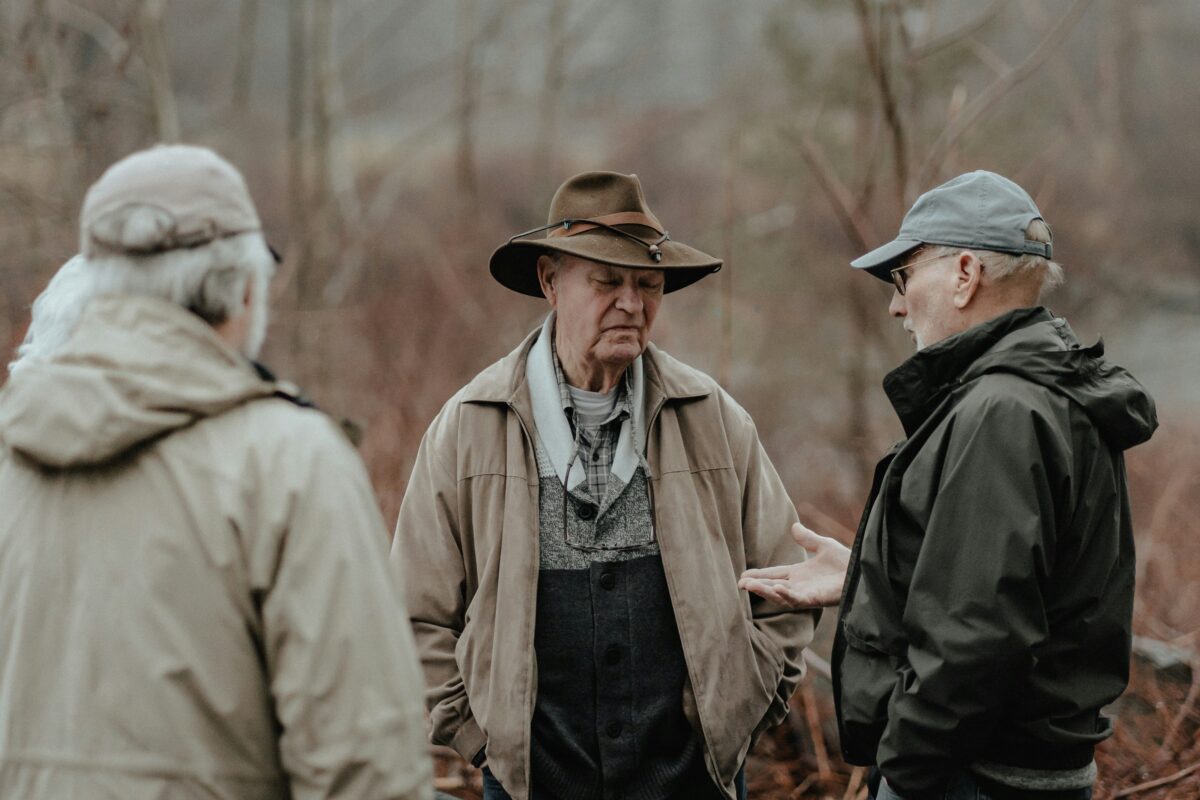
A familiar trail can feel like an old friend, but nature does not become safer just because someone knows the route. A loose stone, sudden dizziness, bad weather, or a wrong step can turn a peaceful walk into a painful emergency when help is miles away.
People over 70 do not need to abandon hiking. They need to stop treating solo hikes as casual errands. Shorter trails, walking partners, charged phones, proper shoes, water, and clear route plans make the difference between a healthy adventure and a dangerous gamble.
Driving at Night
Night driving can become harder with age because darkness changes the whole road. Headlights feel sharper, signs appear later, rain creates glare, and pedestrians can blend into shadows before the brain has enough time to react.
The smartest move is not panic, shame, or immediate surrender of independence. It is adjusting the habit before trouble starts. Daytime driving, familiar routes, ride-sharing, family help, and avoiding storms can keep older drivers safer without making them feel trapped at home.
Doing Heavy Yard Work in Heat
Yard work tricks people because it looks ordinary. Pulling weeds, lifting soil bags, trimming branches, dragging hoses, and sweeping patios may not feel like exercise at first, but the body still counts every bend, lift, twist, and hour under the sun.
For someone over 70, the yard can wait. Early morning work, lighter tools, shaded breaks, water nearby, and asking for help with heavy jobs are not signs of weakness. They are practical choices that protect the back, knees, heart, and balance.
Starting Intense Workouts Too Fast
Motivation is powerful, but it can also be reckless when it arrives all at once. A person who has not exercised seriously in years can feel inspired by a video, a gym class, or a friend’s progress and jump straight into high-impact routines.
That sudden leap can punish joints, tendons, and muscles that needed a slower runway. Walking, stretching, light strength training, balance work, and medical guidance create safer progress. Fitness after 70 should feel steady and sustainable, not like a fight with a younger version of yourself.
Swimming Alone
Water can look calm and still, but carry real danger. A strong swimmer can still experience cramps, dizziness, fatigue, shortness of breath, or confusion in the pool, lake, or ocean, and those problems become urgent faster in water than on land.
Swimming remains one of the gentlest and most useful activities for many older adults. The risky part is doing it alone. A nearby person, a supervised pool, a shallow area, and shorter sessions make swimming safer without taking away the joy, freedom, and relief it can bring.
Running on Uneven Sidewalks
A cracked sidewalk does not look dramatic, but it can change a life in seconds. Younger bodies often recover from a stumble with a quick hop or twist, but older bodies may not regain balance fast enough once the foot catches an uneven edge.
Running or brisk walking can still be healthy after 70, as long as the surface is chosen wisely. Smooth tracks, indoor walking routes, level parks, proper shoes, and slower pacing reduce the risk. The goal is movement that builds strength, not pavement that tests luck.
Using Pressure Washers
Pressure washing seems simple until the surface gets slick, the hose tangles near the feet, or the spray kicks back with more force than expected. Wet concrete, awkward angles, noise, and rushing can make the job more dangerous than it looks.
This is one of those chores where pride can become expensive. Hiring help, using lighter cleaning tools, or asking a younger relative to handle the machine is often smarter. A clean driveway is never worth a hard fall, a strained shoulder, or an emergency room visit.
Playing Fast Court Sports Without Limits
Pickleball, tennis, and similar court games are popular because they are social, fun, and competitive in just the right way. The problem is that the body may be moving gently one second, then lunging, twisting, or stopping sharply the next.
People over 70 do not have to quit the game. They should quit playing like every point is a championship match. Warmups, supportive shoes, doubles play, shorter games, rest breaks, and avoiding risky lunges can keep the sport fun rather than turning it into an injury trap.
Playing Golf During Dangerous Heat
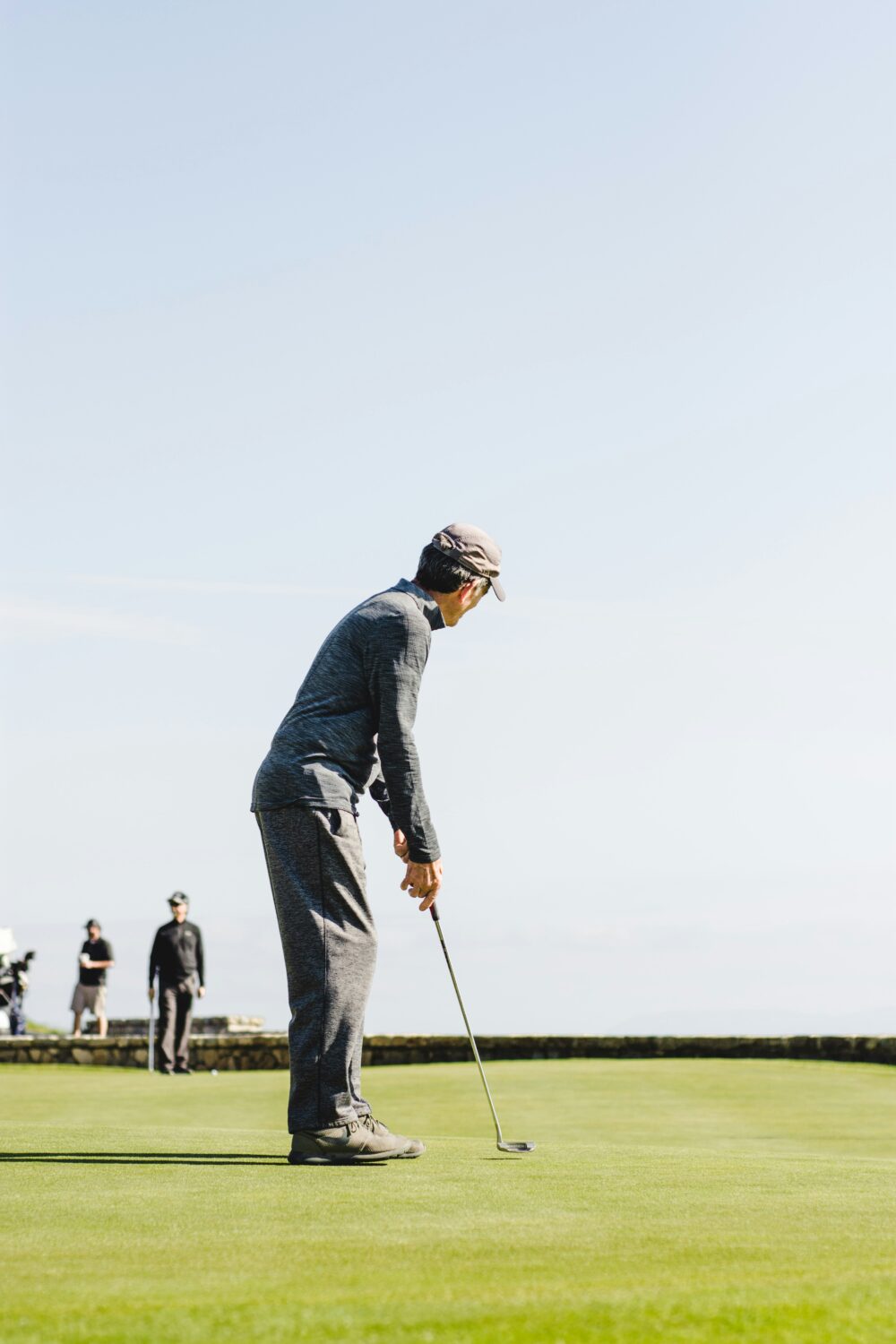
Golf has a sneaky way of looking relaxing from the outside. A full round can still mean hours of walking, standing, bending, swinging, carrying, concentrating, and dealing with sun exposure, especially when temperatures climb.
Hot-weather golf can drain energy before someone realizes it. Older players should choose cooler tee times, use carts when needed, drink water often, wear sun protection, and stop when fatigue appears. The scorecard matters far less than getting home steady and well.
Running Errands in Bad Weather
Some older adults take pride in sticking to a routine no matter what. If groceries are usually bought on Tuesday, they go on Tuesday. If the pharmacy trip is planned, they leave even when rain, snow, wind, or icy sidewalks make the trip risky.
That kind of discipline deserves respect, but it also needs flexibility. Most errands can wait a day, be delivered, or be handled by someone else. Staying home during bad weather is not laziness. It is wise to wear a raincoat and avoid slipping.
Conclusion
The best years after 70 are not built on fear. They are built through smart adjustments that protect independence rather than slowly putting it at risk.
No one should be told to stop living just because they are older. The better message is this: stop doing risky things alone, stop ignoring warning signs, and stop treating familiar routines as harmless just because they worked before.
Aging well often comes down to small decisions. Take the daylight drive, bring the walking partner, skip the heat, ask for help with the heavy chore, and choose the safer version of the activity you still love. That is not giving up. That is staying in the game longer.