10 Things Families Used to Do With Their Pumpkins After Halloween
Halloween night is over, the costumes are back in the closet, and that cheerful jack-o’-lantern on the porch is suddenly looking a little out of place. Today, you might toss it into the compost bin or leave it outside until you finally get around to cleaning up.
But pumpkins weren’t always treated as decorations with an expiration date.
For generations, Americans found practical and sometimes entertaining uses for pumpkins, from cooking and gardening to feeding farm animals. Not every old-fashioned pumpkin activity was specifically a post-Halloween tradition, but historical records offer a fascinating look at how people made use of this familiar fall favorite.
Here are 10 ways pumpkins found a second purpose, including a few worth remembering today.
Roasting the Seeds Instead of Throwing Them Away
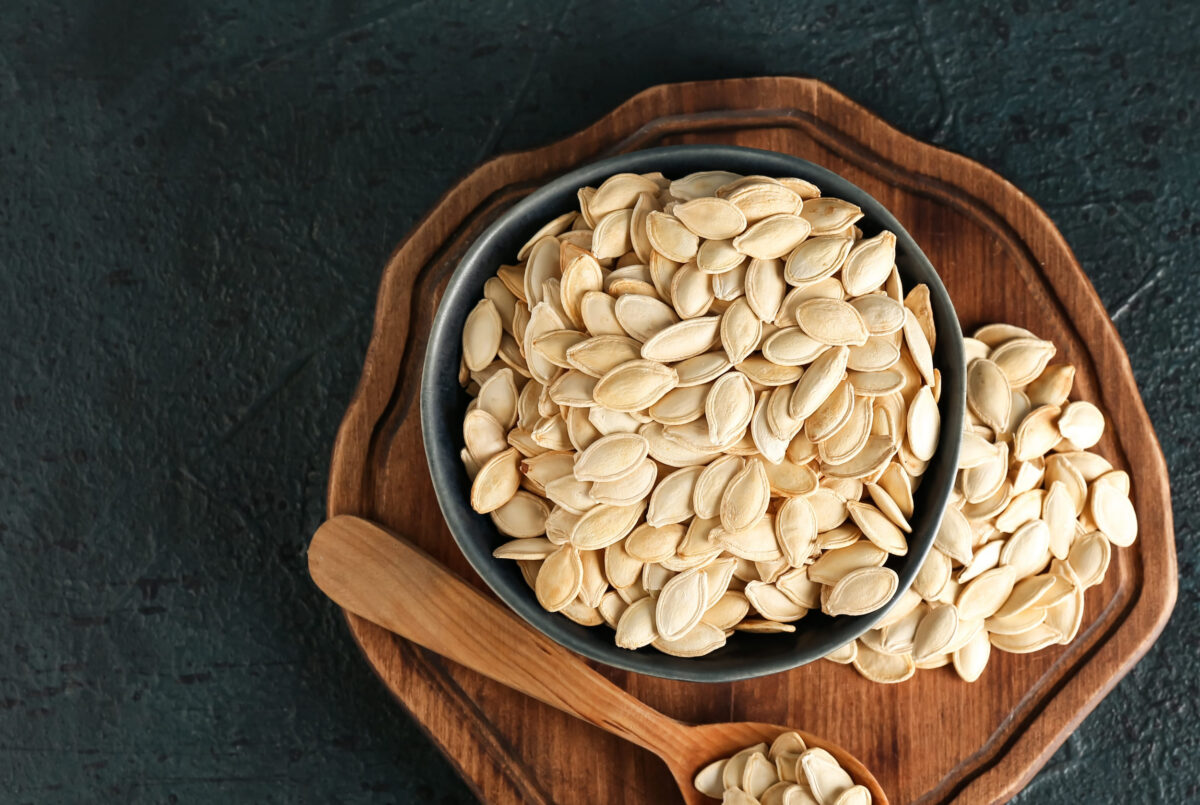
Before pumpkin-flavored everything filled grocery stores, there was a much simpler autumn treat: roasted pumpkin seeds.
A 1983 Michigan State University 4-H gardening guide specifically encouraged children to save seeds from their Halloween pumpkins.
The instructions were wonderfully straightforward. Wash the seeds, soak them overnight in salted water, drain them, and roast them with a little oil and salt.
No fancy kitchen gadgets or expensive ingredients required.
While families usually collected these seeds during carving rather than after Halloween, the activity gave children something useful to do with the messy leftovers.
It’s also one of the easiest old-fashioned pumpkin ideas to bring back.
Turning a Jack-o’-Lantern Into Pumpkin Pie
Imagine carving a pumpkin for Halloween and already planning to turn it into dessert.
An article attributed to an October 31, 1918, newspaper described exactly that possibility. During World War I, when conserving food was a major concern, the instructions recommended displaying a carefully carved pumpkin briefly before preparing it for pie.
The suggested recipe even included sorghum and alternative flours.
The account survives through a later transcription, although its original newspaper page has not been independently verified.
There’s an important distinction here. The instructions concerned a pumpkin displayed only briefly, not one that had spent several damp autumn nights outside.
For today’s kitchen, use fresh, uncontaminated pumpkin instead of an old porch decoration.
Keeping Pumpkins Around for Thanksgiving Decorations
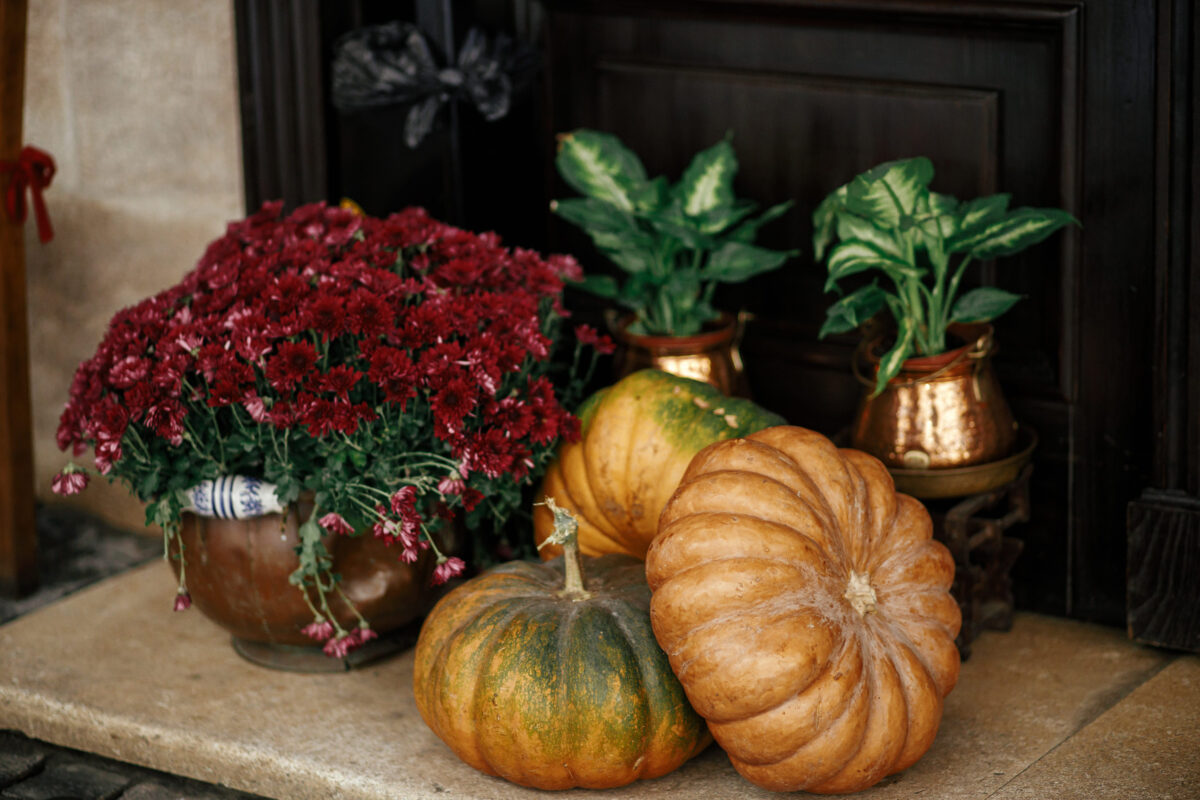
Who says pumpkins have to disappear when October ends?
Long before elaborate holiday decorating became a seasonal shopping event, pumpkins were already part of Thanksgiving entertaining.
A November 1921 issue of American Cookery described a Thanksgiving party featuring a pumpkin jack-o’-lantern surrounded by apples, grapes, and oranges.
Another small hollowed pumpkin served as a container for prizes.
The publication doesn’t establish that these were pumpkins saved from Halloween, but it shows how naturally pumpkin decorations fit both holidays.
Want to borrow the idea? Keep a few uncarved, healthy pumpkins from your Halloween display and arrange them with fall leaves, baskets, or seasonal fruit for Thanksgiving.
Related:Fall Home Colors Are Moving Beyond Pumpkin Orange in 2026
Feeding Extra Pumpkins to Farm Animals
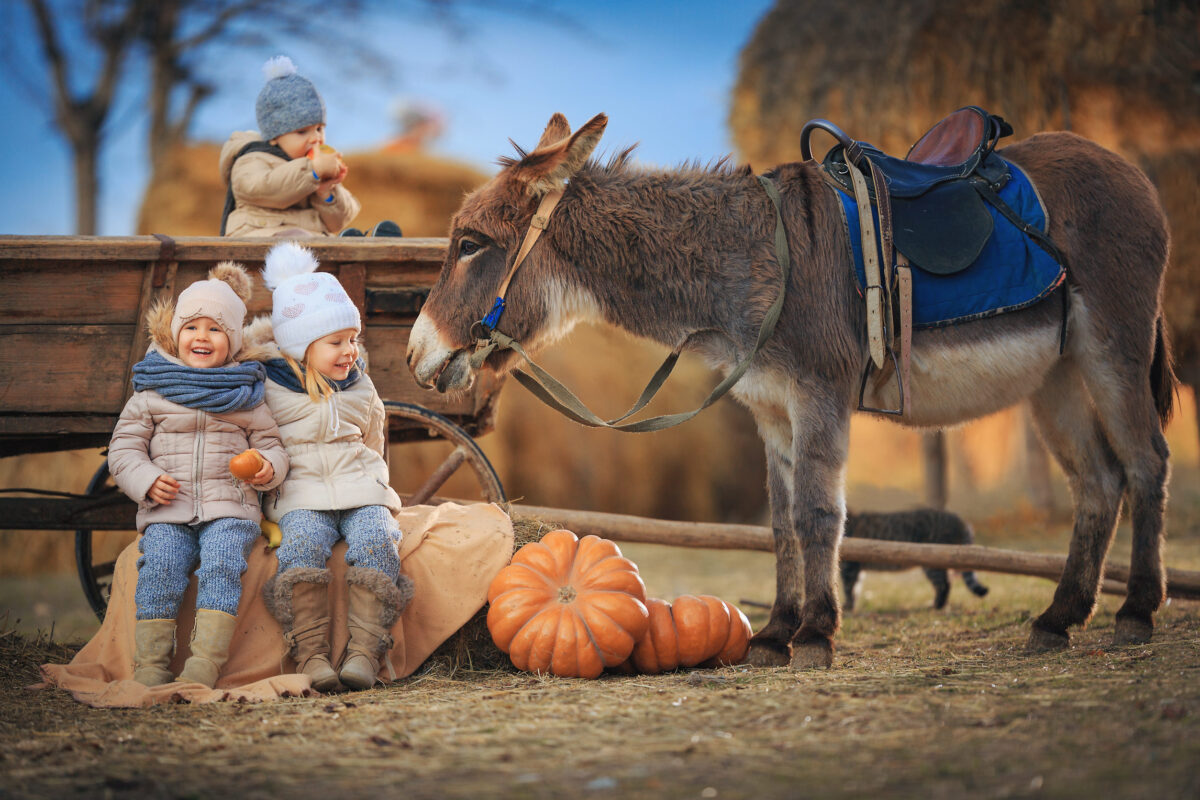
On farms, pumpkins weren’t necessarily grown for smiling faces and porch displays.
They had another purpose: animal feed.
Colonial Williamsburg describes historical accounts of pumpkins being grown for livestock, including cattle, sheep, pigs, and workhorses.
A historical Vermont agricultural account also described sound pumpkins as suitable feed for domestic animals.
That doesn’t prove farm families routinely fed their used Halloween decorations to livestock, but it does explain why surplus pumpkins could still have value.
The practical lesson remains relevant. If you have extra undecorated pumpkins, a local farmer may be interested, provided they’re appropriate for the animals.
Always ask first, and never offer rotten, painted, or otherwise contaminated pumpkins.
Adding Pumpkins to the Compost Pile
Composting might sound like a modern eco-friendly trend, but pumpkins have been finding their way into compost heaps for decades.
One particularly interesting example comes from photographer John Pfahl.
His 1993 photograph, 11/10/93 from The Very Rich Hours of a Compost Pile (pumpkins), documents pumpkins in a compost setting just ten days after Halloween.
We don’t know whether those pumpkins had been Halloween decorations, but the photograph offers a memorable glimpse of autumn garden leftovers.
Today, composting remains a practical destination for pumpkins that have finished their decorative duties.
Remove candles, wax, stickers, and noncompostable decorations before adding the remaining pumpkin material to a managed compost pile.
Saving Seeds for Next Spring’s Garden
For a child watching a pumpkin grow, the most exciting part might have been discovering that the story didn’t have to end in October.
Jeanne Titherington’s children’s book Pumpkin Pumpkin, first published in the 1980s, follows a boy named Jamie as he plants a seed, grows a pumpkin, carves it for Halloween, and saves seeds for the following spring.
It’s fiction, not proof that every family followed the same routine, but it captures a wonderfully practical idea.
Instead of buying another pumpkin plant next year, why not experiment with seeds from this year’s pumpkin?
For the best chance of success, choose mature seeds from a suitable variety and dry and store them properly. Just remember that the resulting pumpkins may not look exactly like their parents.
Letting Pumpkins Create Surprise Garden Plants
Sometimes pumpkins returned to the garden without anyone carefully planning it.
Smithsonian Gardens describes how discarded jack-o’-lanterns can occasionally produce unexpected pumpkin patches.
Picture discovering leafy vines growing where last autumn’s pumpkin once sat.
For children, that could make a fascinating backyard surprise.
There isn’t enough historical evidence to establish this as a widespread mid-century family tradition, but the phenomenon is real.
If you want to try growing pumpkins, deliberately planting saved seeds is a more reliable option than leaving an entire pumpkin to decay.
And keep pumpkin waste out of public woods and natural areas.
Smashing Pumpkins for Old-Fashioned Fun
Before organized pumpkin-smashing events became popular, pumpkins sometimes appeared in children’s rough-and-tumble games.
An account attributed to Theodore J. Hoover’s 1939 memoir describes children arranging jack-o’-lanterns like military formations and attacking them with a corn-cutting tool.
It’s quite a scene, although the recollection doesn’t establish that the activity happened after Halloween.
Modern pumpkin-smashing events have given the idea a different purpose.
Some communities now collect pumpkins, smash them, and send the pieces for composting.
If you’re organizing something similar at home, skip sharp tools and use a supervised, designated area where the pieces can be collected afterward.
Preserving Pumpkin for Future Baking
A pumpkin harvested in autumn could provide ingredients well beyond the season.
In The American Frugal Housewife, Lydia Maria Child described methods of drying pumpkin for later cooking.
One method involved slicing pumpkin into strips. Another used cooked pumpkin spread thinly for drying.
The techniques sound remarkably different from opening a can of pumpkin purée.
Historical records don’t establish that these preparations routinely used leftover Halloween pumpkins, but they demonstrate how seriously households once approached seasonal preservation.
Modern cooks can borrow the basic idea of preparing pumpkin ahead, but should follow current tested storage guidance.
Importantly, old home-canning methods for pumpkin purée and pumpkin butter aren’t considered safe under current recommendations.
Passing Surplus Pumpkins Along Instead of Wasting Them
Sometimes the most practical solution to having too many pumpkins is finding someone else who can use them.
Today, farms, composting organizations, and community groups sometimes collect pumpkins after Halloween.
A 2019 report in The Atlantic described collection efforts that directed pumpkins toward livestock feeding and composting.
There isn’t sufficient evidence to call organized post-Halloween pumpkin donation a widespread tradition among earlier generations.
Still, it fits a practical principle that has been around for centuries: something you no longer need might still be useful somewhere else.
Before putting an intact surplus pumpkin in the trash, check whether a local farm or composting program accepts it.
A pumpkin doesn’t necessarily lose its usefulness when Halloween ends. Sometimes the best part of an old-fashioned tradition is discovering how much more you can do with something you already have.
Related: Want a Free Pumpkin? These 8 Places Will Hand One Over